Introduction: Mastering the Subtlety of Everyday Quiet Luxury
True style never shouts. Achieving everyday quiet luxury takes intentional choices rather than simply throwing on neutral basics. When you refine your daily rotation, minimalist fashion becomes an expression of quality and tactile comfort.
A thoughtful approach to casual elegant style helps you steer clear of missteps that can quickly undermine an otherwise polished outfit. You can sharpen your instincts and dress with quiet confidence every morning.
Fit and Proportion Pitfalls
The real foundation of an understated wardrobe rests entirely on how cloth sits against your frame. Garments cut from fine spun wool or crisp poplin lose their composure instantly when shoulder seams slump past their mark or fabric bunches around the torso. Mastering a precise quiet luxury fit transforms simple staples into a deliberate statement. Structural precision matters more than price tags.
For tailored casual wear, millimeter adjustments separate unstudied ease from an untidy appearance. When waistlines anchor naturally and trouser cuffs fall cleanly across your shoes, your entire silhouette projects quiet authority and lasting polish.
1. Wearing Oversized Denim Without Balance
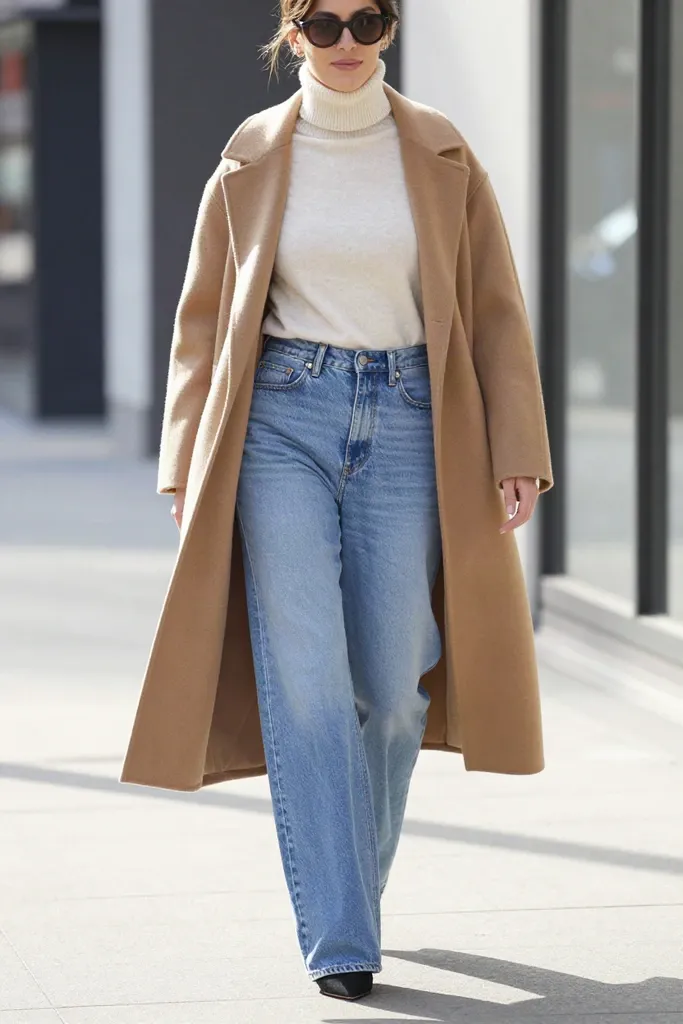
Wide-leg and slouchy jeans are a staple in contemporary wardrobes. Drowning your torso in an equally voluminous sweater ruins the intentionality of the silhouette. Swallowing your natural waist under excess yardage makes the entire look feel accidental rather than chic. True premium denim styling relies on a clear dialogue between loose and fitted elements, ensuring your shape never gets lost under heavy cotton folds.
A compact knit top or an architectural blazer provides the ideal counterweight to relaxed jeans. Anchoring the upper body with a slim fine-gauge crewneck or tucking in a ribbed tee creates balanced outfit proportions that feel comfortable and sharply curated for daily outings.
2. Ignoring the Hemline of Your Trousers
Fabric puddling excessively on wet pavement or cutting off awkwardly right above the ankle bone disrupts the clean vertical drape of even the finest wool slacks. Precise trouser length styling requires committing to a specific shoe profile before visiting your tailor, rather than assuming one hem accommodates both sneakers and block heels. For sleek loafers or pointed flats, aim for a subtle half-break where the cloth lightly grazes the top of your footwear vamp without collapsing into accordion folds. A crisp tailored trousers hem should fall roughly half an inch above the ground at the heel counter, maintaining an unbroken line that elongates your frame and preserves the fabric's natural movement throughout a busy workday.

3. Choosing the Wrong Coat Length for Your Outfit
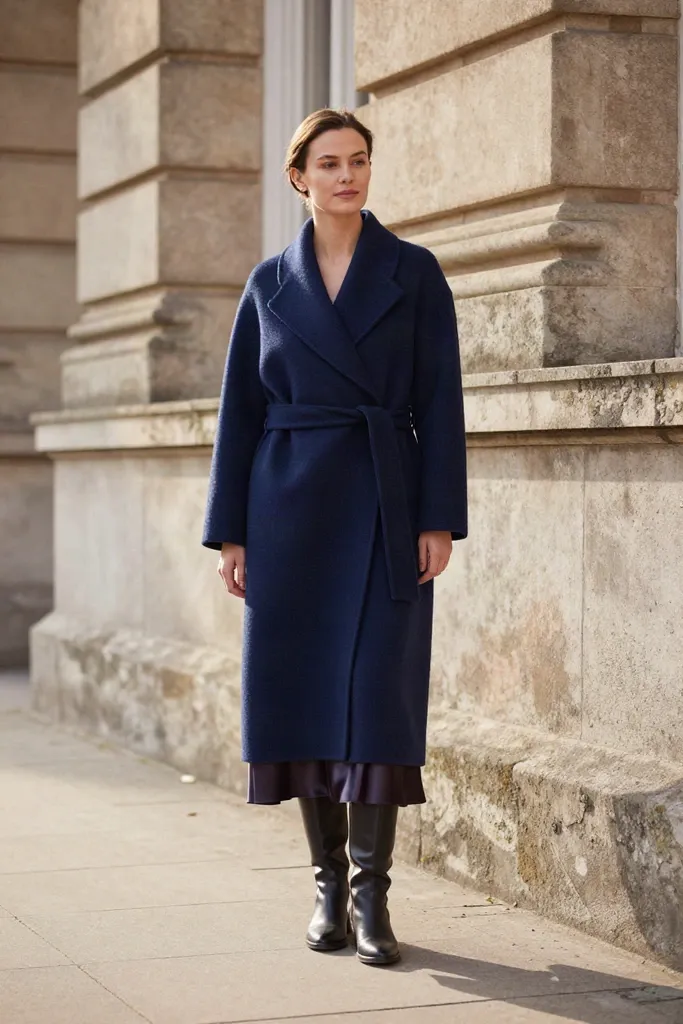
An outerwear hem that terminates just an inch or two above a midi skirt or peeks out awkwardly beneath a tailored knit dress visually slices your body into disjointed horizontal segments. Mastering longline coat styling depends on selecting sweeping proportions that fully envelop your base layers, establishing a continuous vertical line that feels cohesive whether unbuttoned or belted.
- Select outerwear that falls at least two inches past your skirt or dress hemline to eliminate awkward visual layering steps.
- Invest in classic outerwear lengths that hit mid-calf, offering a universally flattering frame for both wide trousers and straight-leg denim.
- Skip mid-thigh trench cuts when wearing relaxed bottom silhouettes, as the abrupt cutoff breaks the visual drape across the hips.
4. Overlooking Armhole and Shoulder Fit
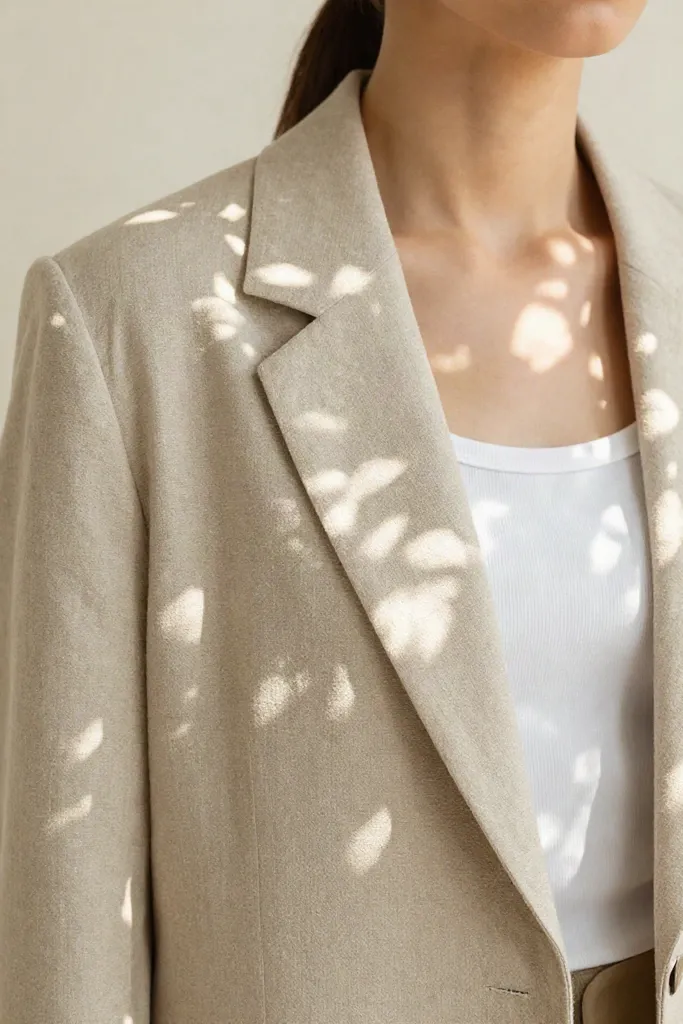
A drooping seam that falls past your natural acromion bone or an armhole cut too tight to accommodate a lightweight knit ruins the tailoring of an otherwise sharp ensemble. Perfecting your blazer shoulder fit is non-negotiable because altering jacket shoulders is complex and costly, making an off-the-rack match essential for everyday polish.
- Examine the shoulder point by leaning against a wall. The fabric pad should touch the surface at the exact same moment as your arm without buckling inward.
- Look for a structured casual blazer that leaves enough room in the upper sleeve to layer comfortably over a fine-gauge merino sweater without pulling across the back.
- Check for diagonal stress wrinkles across the chest, which signal high armholes pinching into the armpit rather than resting smoothly.
Material and Fabric Faux Pas
Even the most precise tailoring falls flat the second tactile quality is ignored, making textile selection the true foundation of an understated wardrobe. Genuine sophistication hinges on quiet luxury fabrics that move with ease and breathe naturally against your skin throughout a demanding day. When you introduce stiff synthetic blends into an otherwise clean outfit, the telltale synthetic shine and unnatural rigidity disrupt your silhouette, telegraphing rushed construction under natural sunlight. Investing in premium casual materials like mid-weight linen and combed cotton grounds your daily rotation with organic depth and tactile richness. You'll quickly notice how plant and animal fibers settle onto your frame with a fluid drape that petrochemical weaves cannot match. Prioritizing fiber integrity over quick fashion shortcuts ensures that every basic piece carries an unstudied refinement.
5. Relying Heavily on Stiff Polyester Blends
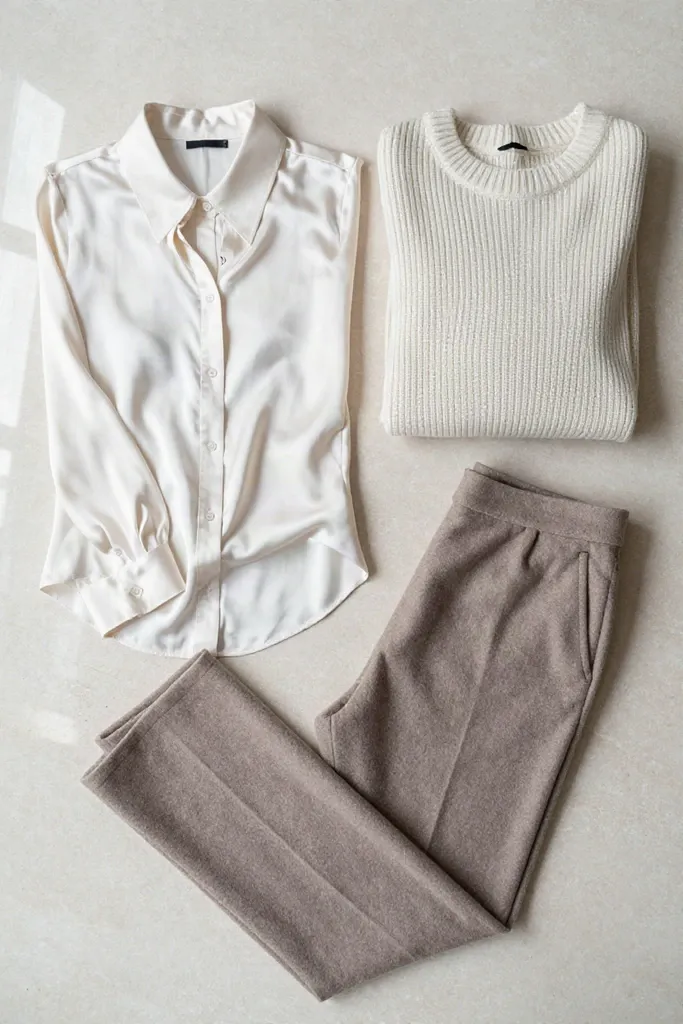
Rigid synthetic weaves create an immediate visual dissonance that clever styling cannot disguise. High-percentage polyester tops tend to project a harsh plastic sheen under direct daylight, trapping perspiration while resisting the natural drape of your shoulders. Transitioning your seasonal wardrobe toward natural fiber clothing creates an immediate upgrade in daily wearability and visual richness. Avoiding synthetic fabrics in favor of crisp organic cotton poplin or textured linen secures a tactile depth that feels soft yet intentionally composed. A washable silk button-down introduces quiet movement beneath a relaxed blazer, whereas combed organic cotton keeps tailored trousers structured without scratchy friction. Investing in genuine botanic fibers guarantees your daily rotation maintains an authentic, photogenic appeal from morning meetings to evening dinners.
6. Neglecting Fabric Care and Pilling
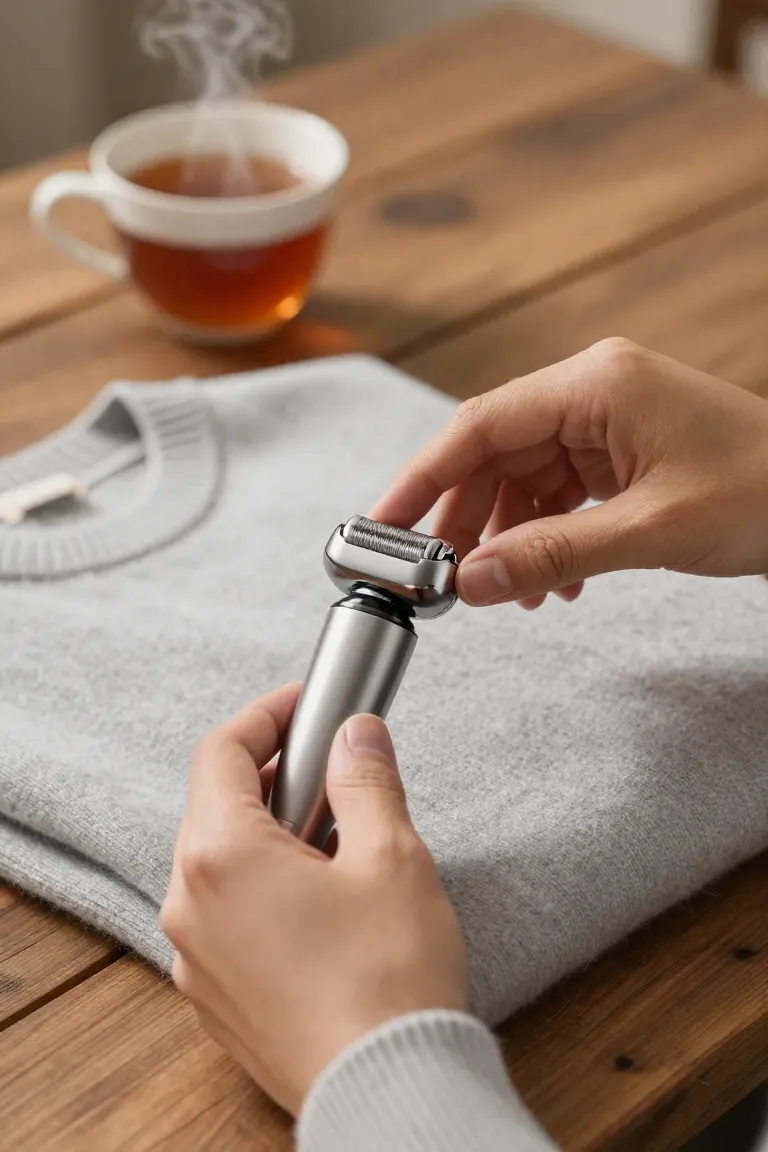
A designer label stitched into the collar cannot rescue your look if the outer surface is covered in fuzzy friction bobbles and tangled lint. High-grade knitwear quickly loses its understated refinement when tiny pills gather along the underarms and side seams. Mastering deliberate cashmere sweater care begins with keeping a motorized fabric shaver or a fine brass knit comb in your dressing drawer. Running a gentle depiller across the knit after every few wears restores that clean, crisp texture that defines intentional personal style. Successfully maintaining knitwear also requires ditching aggressive dry cleaning solvents and hot tumble cycles. You'll preserve delicate yarn elasticity by soaking pieces in tepid water with a gentle wool wash and drying them flat on a breathable mesh rack to prevent distortion.
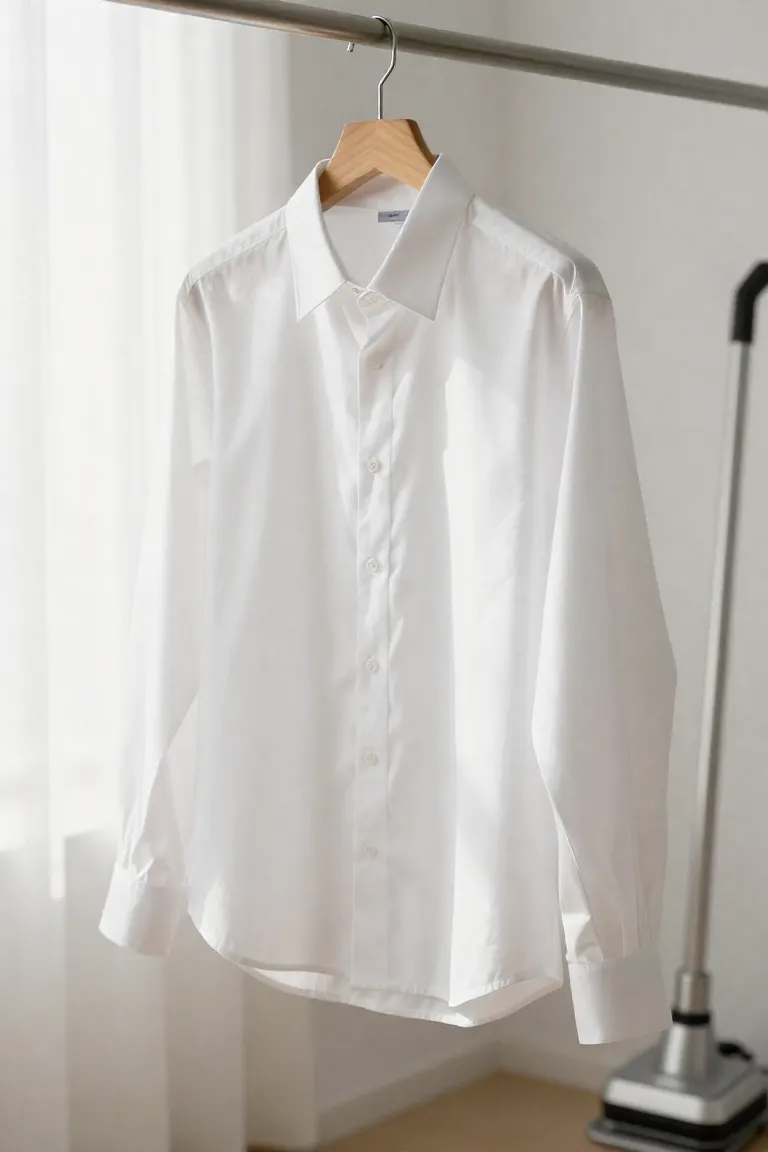
7. Wearing Wrinkled Linen or Cotton as 'Effortless'
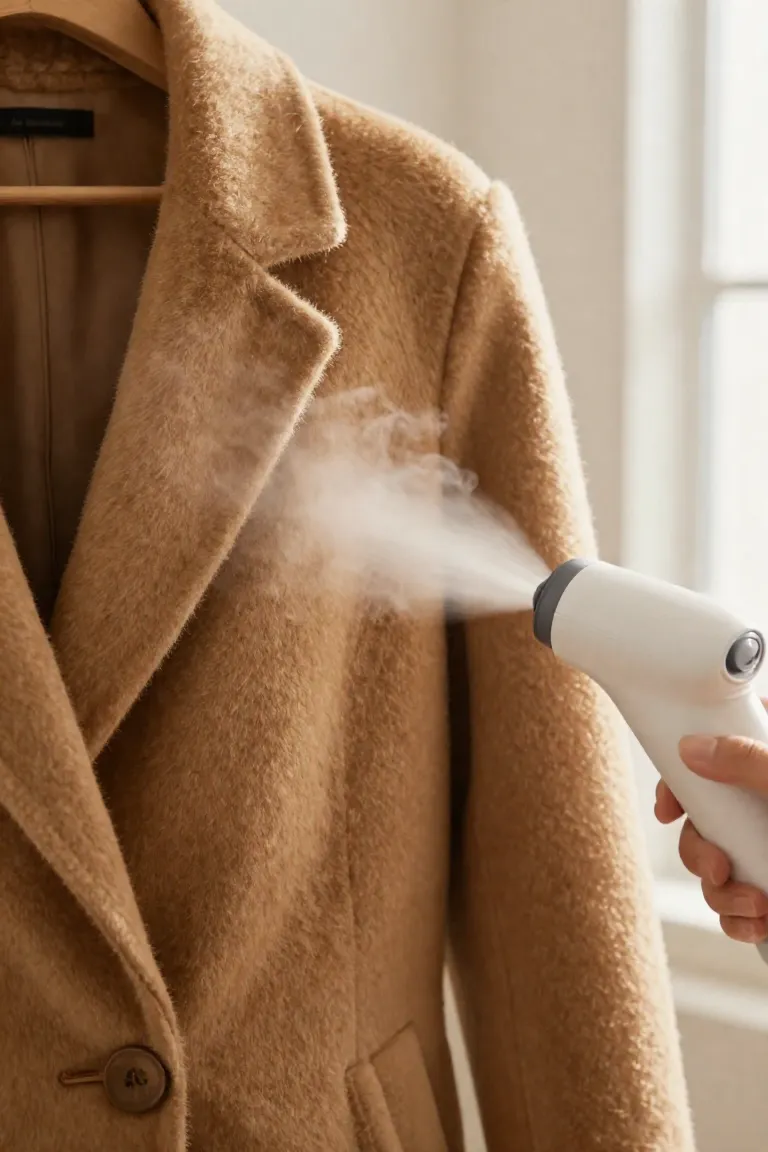
There is a sharp visual boundary between the organic drape of natural fibers and garments that simply tumbled out of a hamper. While a soft, lived-in ripple across flax weave feels breezy for warm-weather styling, deep diagonal crease lines around the lapels or hem cheapen your presentation. Steaming casual clothes for three minutes before heading out smooths away harsh transit folds while preserving the textile's airy breathability.
A handheld steamer works wonders on stubborn seams and keeps crisp cotton shirts looking sharp without flattening their natural surface texture like a heavy dry iron might. For daily maintenance, hang pieces in the bathroom during your morning shower or use quick vertical passes along the placket and cuffs so the structure stays refined all day long.
8. Faux Leather That Looks Excessively Shiny
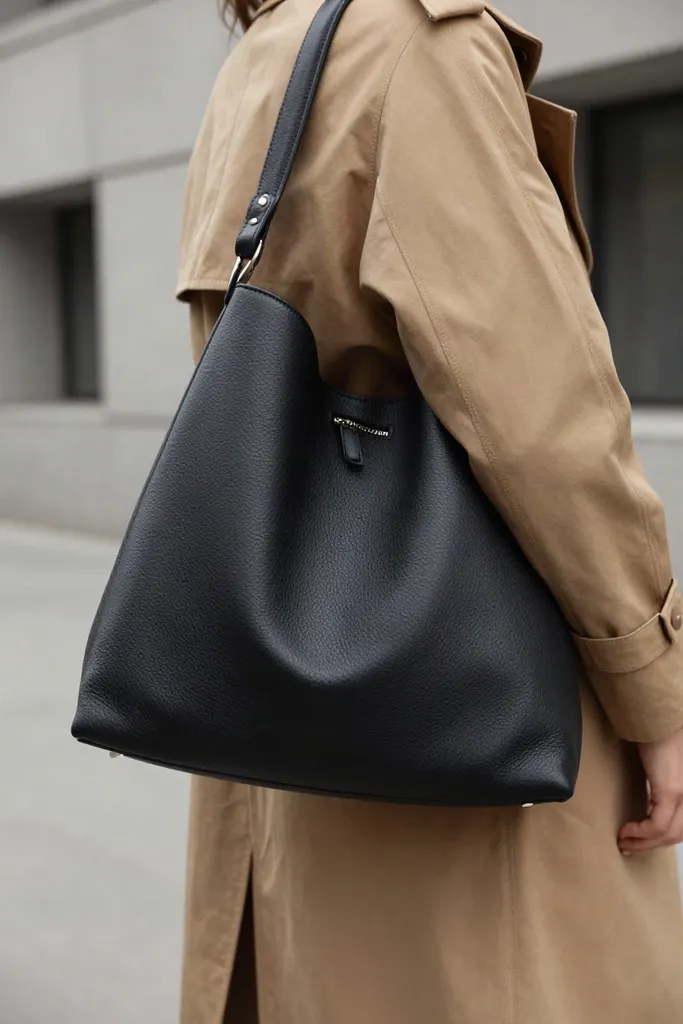
Synthetic materials often betray an otherwise polished outfit under direct sunlight, where high-gloss polyurethane coatings produce an unnatural, plastic-like glare. Instead of plastic sheen, focus on soft textures with subtle graining that mimic authentic calfskin or buttery lambskin to achieve a premium leather look. When selecting everyday totes or belts, choosing muted tones and refined matte leather accessories ensures your pieces age gracefully without peeling at the seams or squeaking with movement. If you are building a versatile capsule wardrobe, saving up for durable secondhand hides or buttery vegetable-tanned staples yields rich patina and structural longevity that cheap synthetic alternatives cannot match over time.
9. Mixing Too Many Different Textures in One Look
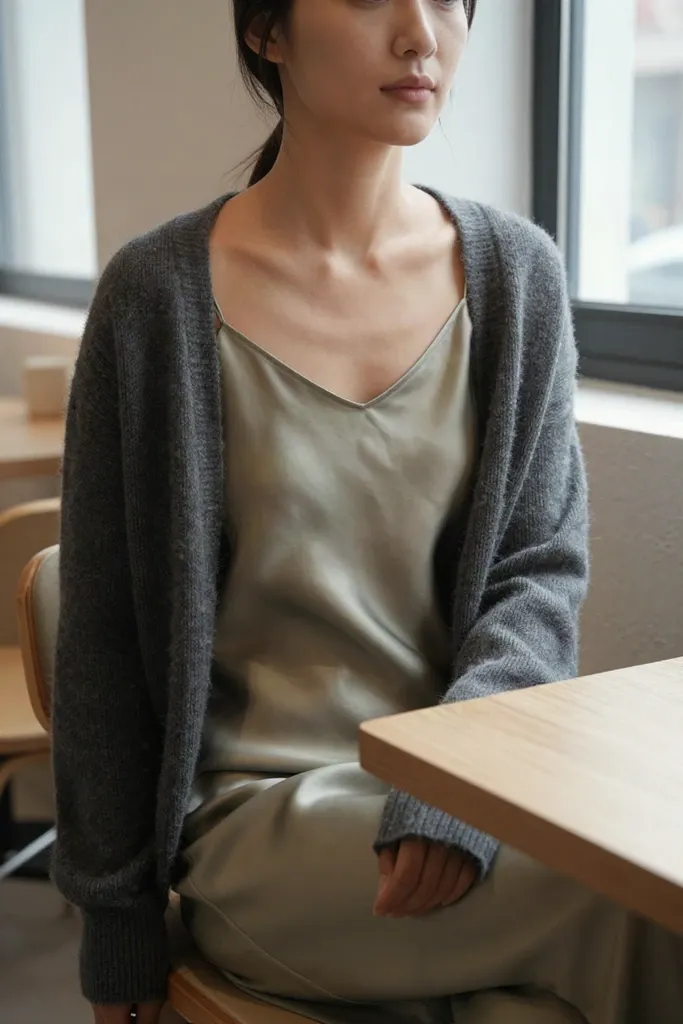
Piling tactile fabrics into a single ensemble can quickly overwhelm your silhouette, creating visual competition rather than subtle depth. When smooth mulberry silk collides with stiff tweed and heavy cable knits in one frame, the eye has nowhere to rest. This undermines the understated balance essential to refined styling. Mastery in texture mixing fashion comes down to intentional restraint, where contrasting surfaces play off one another gently instead of fighting for dominance.
Cohesive outfit styling relies on anchoring your look with no more than two complementary textures. You might balance the sheen of a satin slip skirt against the matte warmth of an alpaca crewneck, finishing with classic calfskin loafers to ground the proportions without unnecessary visual clutter.
Color Palette and Pattern Errors
A refined wardrobe relies just as much on chromatic restraint as it does on tailored proportions. When you introduce competing shades or chaotic prints into a single outfit, the quiet harmony of your overall aesthetic unravels. True quiet luxury colors rely on visual calm, anchoring your daily rotation in understated tones that sit naturally together without competing for attention.
Across thoughtfully curated wardrobes, disciplined neutral color palettes provide the clean foundation necessary for fine tailoring and premium textiles to shine. A cohesive baseline of oat and deep espresso keeps your silhouette grounded, ensuring your pieces coordinate cleanly across seasons without ever feeling cluttered or trendy.
10. Forcing Neons or Overly Bright Hues
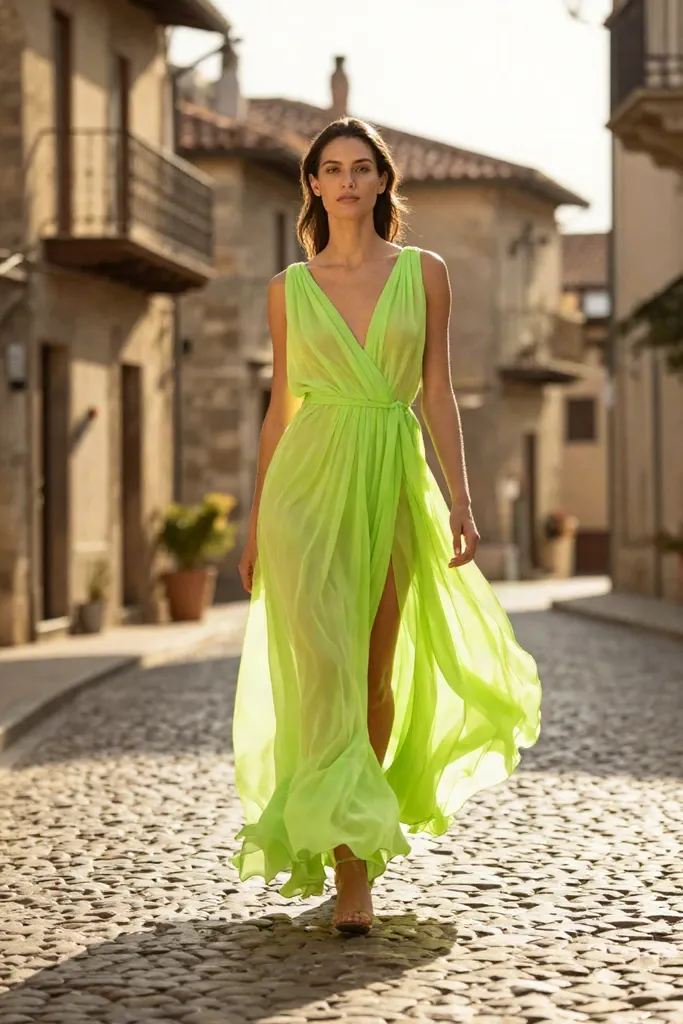
Saturated neons and high-voltage primaries tend to dominate an ensemble, pulling the eye toward synthetic intensity instead of structural craftsmanship. Swapping out fluorescent accents for rich neutrals or muted earth tones immediately softens your visual presence and brings poise to your wardrobe. When you assemble elevated neutral outfits, shades like olive and soft terracotta catch natural daylight with understated warmth. These organic hues highlight the clean drape of a poplin shirt or the subtle ribbing of knitwear, creating an inviting depth that outlasts seasonal color crazes.
11. Mismatching Blacks or Navy Blues
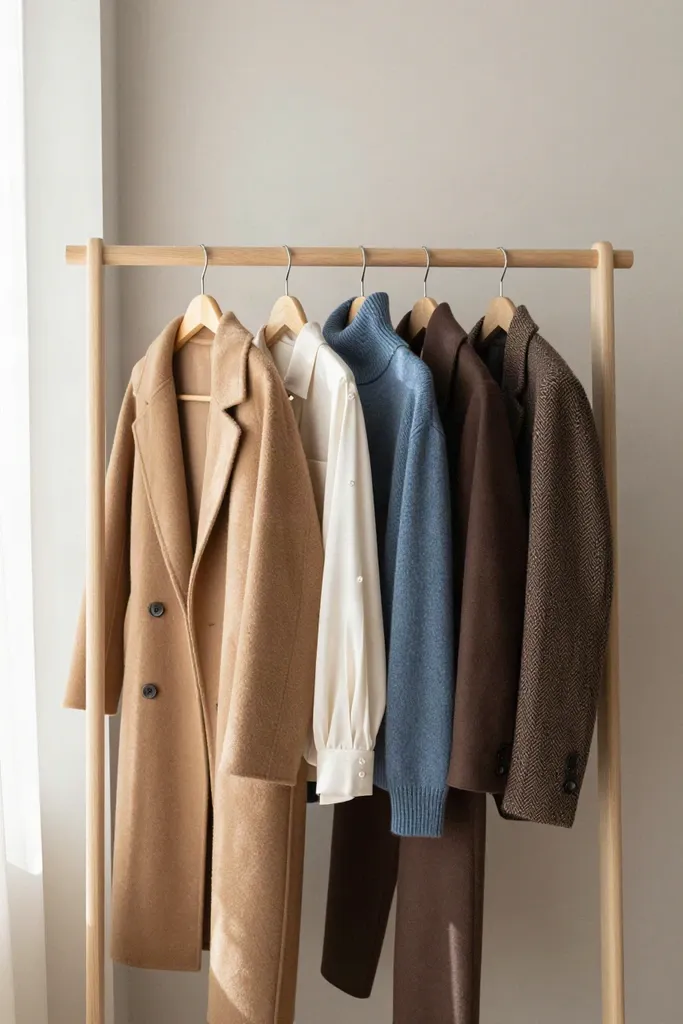
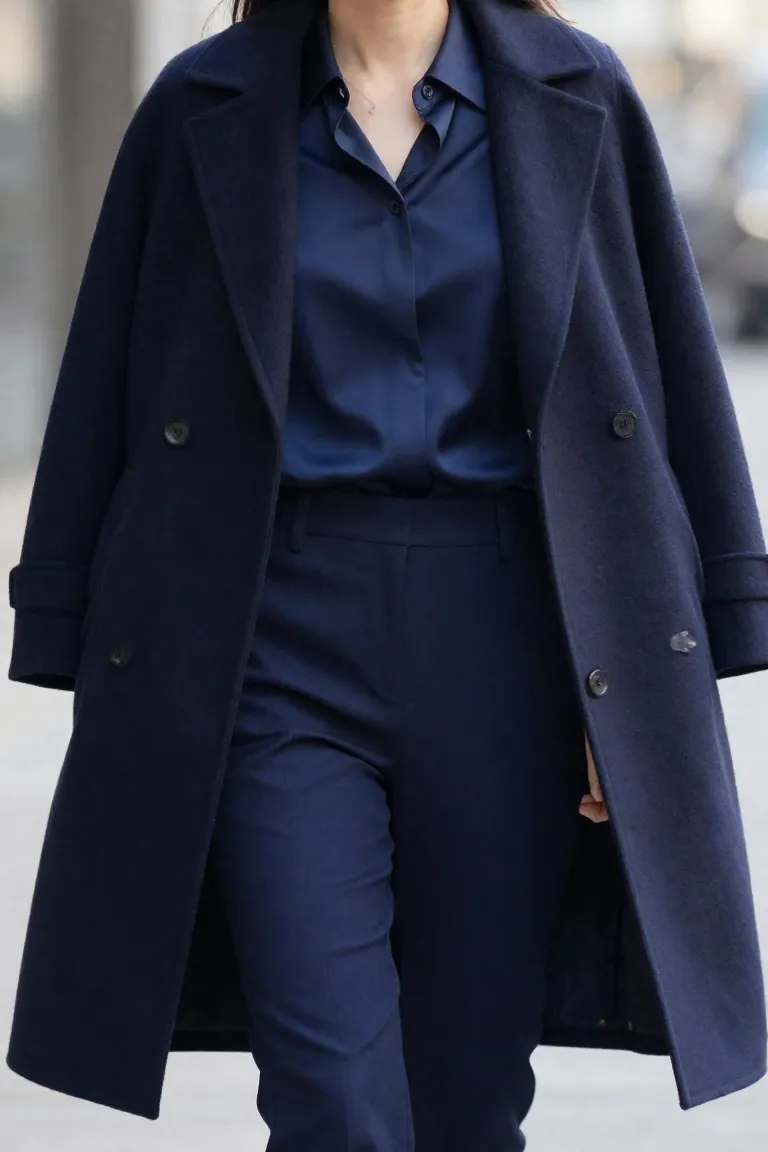
Throwing together two slightly different dark tones can easily look like an oversight in dim morning light rather than a calculated design choice. Pairing washed, ash-toned denim with an ink-black poplin shirt exposes subtle color discrepancies, making matching black clothing appear haphazard. If you cannot match color saturation identically, the key to monochrome outfit styling is to make the distinction clearly intentional through contrasting textures. Layer a dense matte wool blazer over a lustrous silk camisole, or tuck a chunky ribbed knit into crisp gabardine trousers. Contrasting light-reflecting finishes with soft matte surfaces turns slight shade variances into deliberate textural depth.
12. Overusing Loud, Recognizable Logos
When garments carry heavy monogram prints or oversized designer hardware, they shift the focus away from tailored cuts and premium fabrics. Understated sophistication relies on discretion, letting the drape of double-faced wool or the clean line of crisp poplin communicate taste on its own. Embracing logo-less fashion redirects attention toward silhouette balance and clean lines, creating a personal aesthetic rooted in confidence rather than retail branding.
- Swap stamped designer tees for unbranded luxury basics made from heavyweight supima cotton or fine-gauge silk-cashmere knitwear.
- Look for discreet maker marks hidden on interior seams or minimal tonal debossing on leather goods instead of prominent gold lettering.
- Prioritize sculptural cuts and impeccable seams that signal exceptional construction without broadcasting a seasonal fashion campaign.

13. Clashing Busy Patterns with Casual Basics
Oversized digital motifs and chaotic florals often overwhelm neutral palettes and disrupt visual calm. When you want to incorporate interest without sacrificing cohesion, minimalist print outfits require disciplined scaling and quiet restraint. Micro-motifs grounded in classic menswear codes integrate far more naturally into an everyday uniform than sprawling, multicolored graphics.
- Incorporate subtle pattern styling by choosing chalk stripes on charcoal wool trousers or a fine micro-houndstooth blazer.
- Anchor a single patterned layer against solid, grounded neutrals like washed black denim or structured ecru chinos.
- Limit visible patterns to one piece per outfit so the eye has restful negative space to appreciate the overall garment architecture.
Accessory and Footwear Blunders
Even the most carefully tailored ensemble falls flat when paired with worn-down soles or flimsy hardware. Footwear and everyday accents act as the structural anchors of your daily rotation, either cementing your intentional aesthetic or betraying a lack of attention to detail. Investing in disciplined, quiet luxury accessories ensures that every small accent, from a sleek calfskin belt to a pristine leather cardholder, carries the same architectural precision as your outerwear.
In everyday styling, elevated casual shoes like clean almond-toe loafers or sharp chelsea boots bridge relaxed denim and structured tailoring. Clean edges and solid soles provide a steady foundation that pulls together contrasting textures across your entire outfit. When your base and accents share the same high level of polish, everyday dressing feels remarkably cohesive and deliberate.
14. Wearing Scuffed or Dirty 'Everyday' Shoes
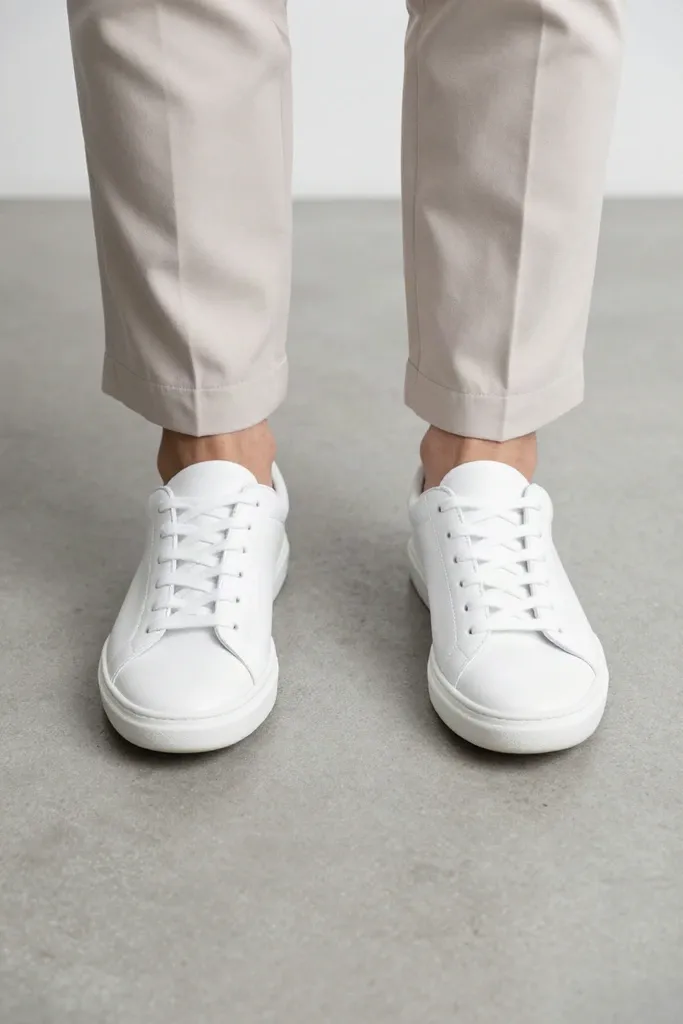
Even the sharpest tailored trench or crisp poplin shirt loses its refinement the moment someone glances down at neglected footwear. Daily wear naturally subjects soles and vamps to city dust and curb scuffs, yet leaving these blemishes untreated drags down your entire silhouette. Committing to pristine soles, especially crisp white sneakers that hold a bright finish, signals an intentionality that subtle style relies on.
Consistent leather shoe maintenance takes only a few minutes each week with a soft horsehair brush and a gentle conditioning cream. For smooth calfskin loafers or ankle boots, regular nourishment preserves the rich patina while preventing premature creasing along the toe box. Treating your footwear as a foundational anchor rather than an afterthought keeps your casual rotations looking sharp and thoroughly considered.
15. Piling on Too Much Tarnishable Jewelry
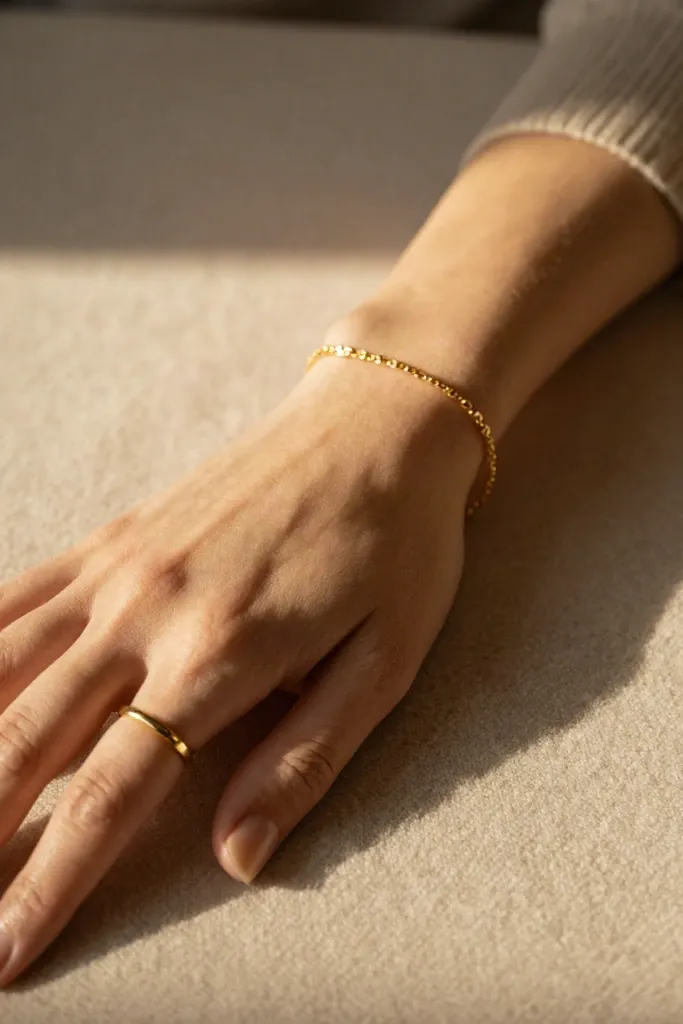
Layering multiple fast-fashion chains that turn dull or brassy against the skin disrupts an otherwise thoughtful wardrobe. A crowded neckline filled with hollow alloys feels cluttered, drawing attention to peeling plating rather than quiet refinement. Instead of collecting dozens of costume trinkets, focus on curating a lean rotation of minimalist gold jewelry crafted from solid gold or durable sterling silver. A delicate herringbone chain or a slim signet ring stays luminous through daily hand-washing and busy commutes without chipping or fading. These enduring everyday luxury accessories quietly catch the light, adding a polished, personal signature to simple knitwear and relaxed button-downs without competing for attention.
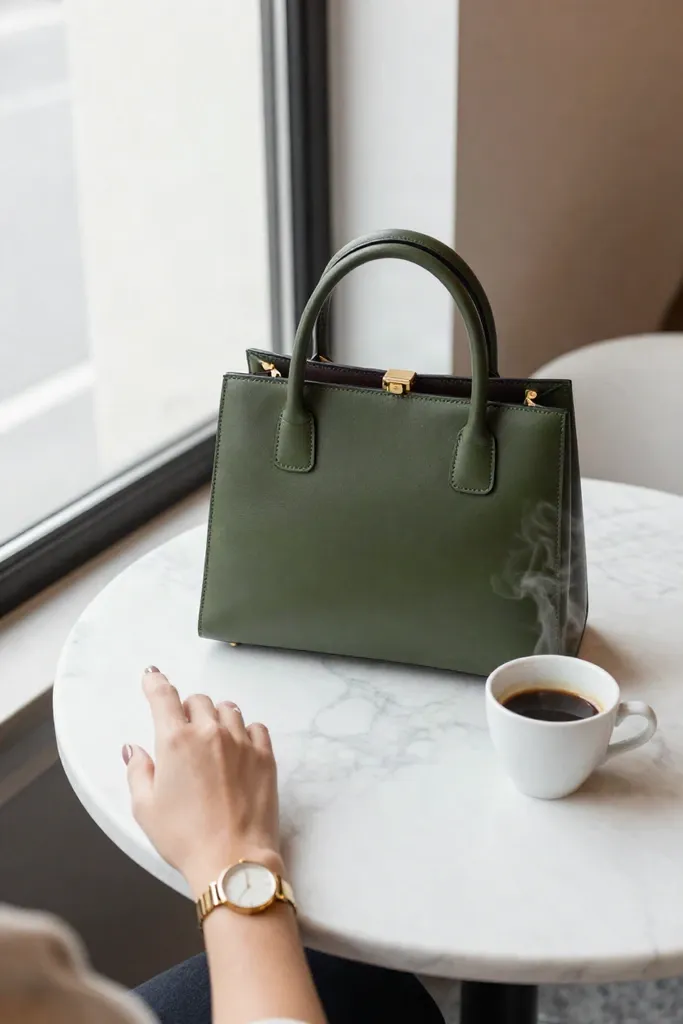
16. Carrying a Slouchy, Unstructured Handbag
A floppy cloth tote or sagging nylon carryall may hold your essentials, but it deflates the tailored lines of an overcoat or straight-leg denim. Swapping shapeless totes for a structured leather handbag introduces crisp architectural geometry, anchoring soft knits and fluid trousers with polished balance. Choosing an elevated everyday bag with firm gussets and reinforced seams ensures your daily carry retains its clean profile regardless of how much you pack inside.
- Firm top-handle totes in smooth calfskin or pebbled grain that sit upright when placed on a table.
- Compact crossbodies with clean beveled edges and minimal hardware to complement neutral tailoring.
- Classic saddle or boxy shoulder silhouettes featuring durable base panels that prevent bottom sagging over time.
17. Choosing the Wrong Belt Width or Hardware
Heavy statement buckles and ultra-wide straps tend to overpower tailored separates, quickly dating an otherwise refined outfit. When a waist strap dominates your look with oversized logos or bulky, high-shine metal plates, it disrupts the clean visual balance you work hard to establish. Opting for classic leather belts with a width between three-quarters of an inch and one inch gives you subtle structural definition without cutting your torso in half.
Smooth calfskin or supple bridle leather with a brushed brass or matte silver square buckle complements pleated trousers and straight-leg denim. This intentional approach to minimalist belt styling keeps your waistline anchored, ensuring your knitwear drapes cleanly while tying your leather footwear together with quiet, understated restraint.

Styling and Finishing Touches Mistakes
How you wear your garments on your body matters just as much as the textiles you choose. Practical quiet luxury styling tips always come down to minor adjustments that turn basic separates into an intentional, polished outfit. Simple gestures like pushing up a poplin shirt cuff and straightening collar alignment ensure relaxed clothing never looks sloppy or neglected. Practicing elevated casual finishing means observing how pieces hang across your frame and allowing hems to fall naturally. When you dedicate a quick moment to adjust proportions in front of the mirror before stepping out, your entire presence feels balanced and composed.
18. Neglecting the 'French Tuck'
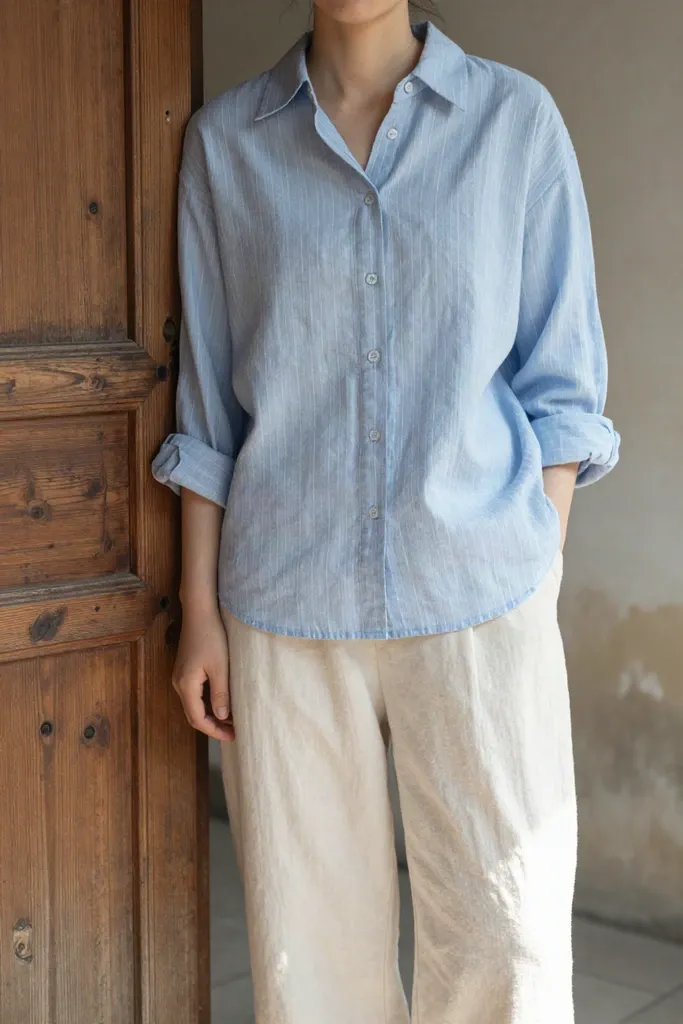
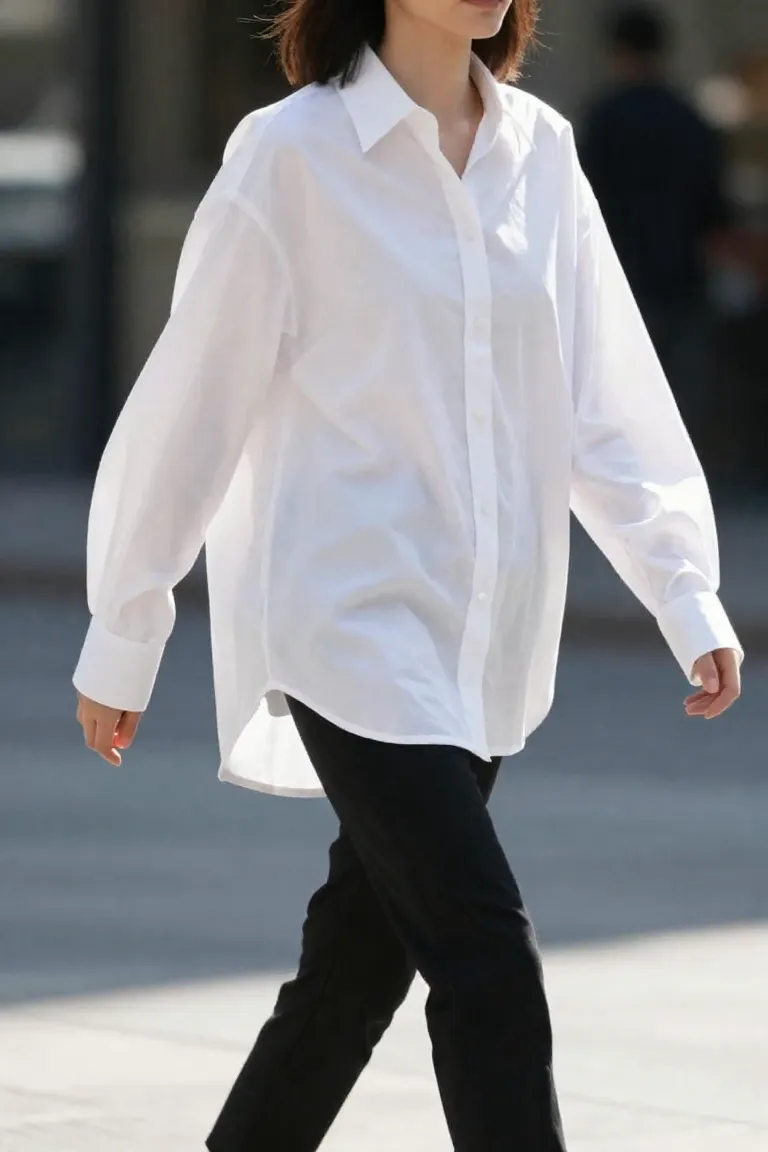
Letting an oversized poplin button-down or chunky knit hang completely loose can drown your proportions, turning a chic boxy piece into a shapeless tent. When extra fabric pools around your hips without any structure, it conceals your leg line and makes the entire outfit feel unfinished. Adopting classic french tuck styling solves this by giving your outfit an intentional focal point without the rigid formality of a full tuck.
A gentle front tuck right behind your belt buckle anchors the hem, effectively defining the waist while letting the sides and back billow out with casual ease. For mid-weight knits or linen shirts, gather a two-inch section at the center navel, slide it smoothly into your waistband, and let the remaining fabric drape softly over the sides. This small tweak lengthens your vertical line and keeps relaxed tailoring looking deliberate throughout the day.
19. Ignoring Grooming and Personal Presentation
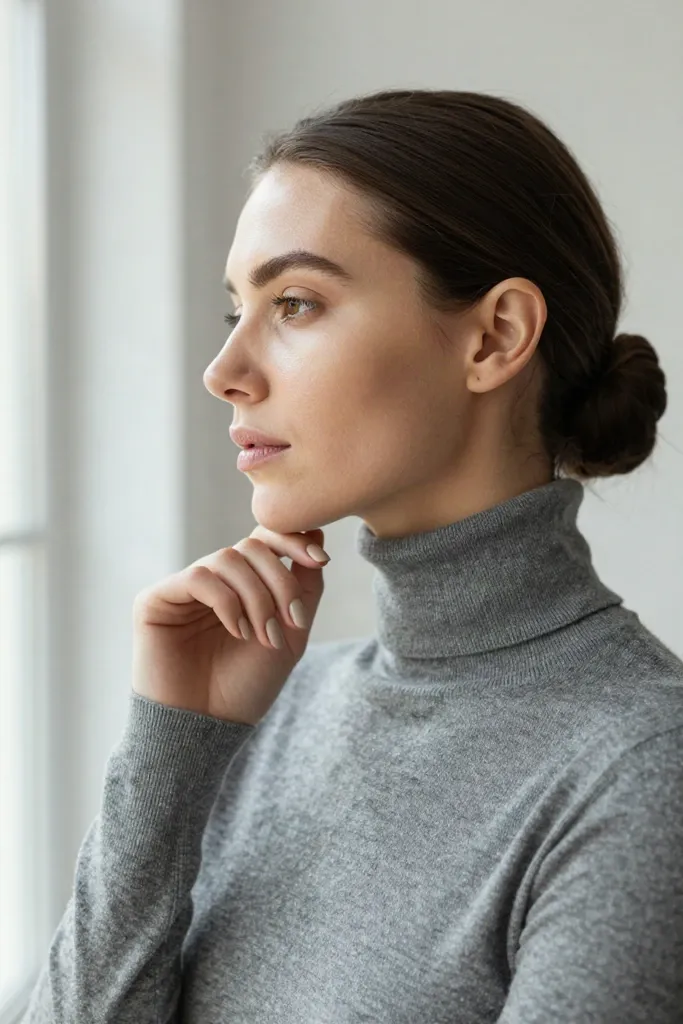
Even the sharpest trousers and finest silk tops fall flat when basic personal care gets treated as an afterthought. You can invest in impeccably tailored staples, yet chipped manicure edges or lint-covered sleeves break the visual refinement of your outfit. A truly polished casual look depends far more on subtle personal upkeep than designer labels, making clean girl aesthetic grooming the quiet anchor of understated dressing.
- Tame flyaways with a quick dab of hair oil or clear brow gel to keep natural textures neat without feeling stiff.
- Maintain bare or neutral-toned nails shaped short, replacing peeling polish with a buffed shine or clean cuticle oil.
- Keep skin hydrated and fresh so your natural complexion complements the clean lines of relaxed daytime tailoring.
20. Overcomplicating Layers
Piling on excessive garments in the name of dimension often backfires into visual clutter and awkward stiffness. When you stack an unironed button-down under a thick sweater vest and top it with a heavy wrap, the silhouette loses its crisp structural intention. Building chic, simple layered outfits comes down to editing your choices down to three harmonious pieces that move together naturally throughout the day.
- Start with a fitted crewneck tee or lightweight mercerized cotton base that lies smooth against your torso.
- Add a clean mid-gauge cashmere sweater or cardigan, allowing the neckline to frame subtle textural contrast without adding bulk.
- Anchor the combination with a tailored car coat or unlined trench to create streamlined casual layers that feel purposeful and comfortable.
21. Forgetting to Iron or Steam Outerwear
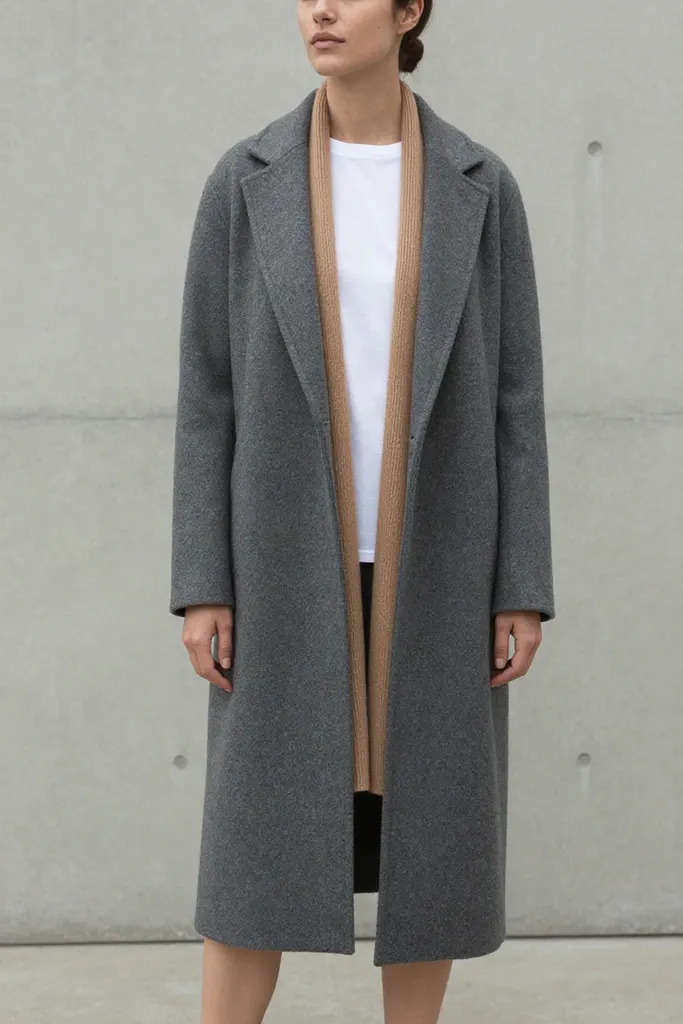
You might spend ten minutes smoothing out every crease on a crisp poplin shirt, only to toss on a rumpled trench coat before stepping out the door. Outerwear forms the primary visual frame of your silhouette whenever you walk down the street, meaning horizontal fold lines across the lower back or crumpled lapels distract from what lies underneath. When a heavy coat appears neglected, even the most carefully chosen base layers lose their quiet polish.
A quick routine of steaming wool coats before seasonal outings revives crushed fabric fibers and restores tailored shoulder structure. Hanging your pieces on contoured wooden hangers rather than wire hooks prevents distorted shoulder seams while keeping the chest panels smooth. Because your coat represents your entire look in public spaces, maintaining outerwear with occasional brushing and gentle heat guarantees your overall appearance stays sharp in every setting.
Conclusion: Cultivating Your Effortless Everyday Uniform
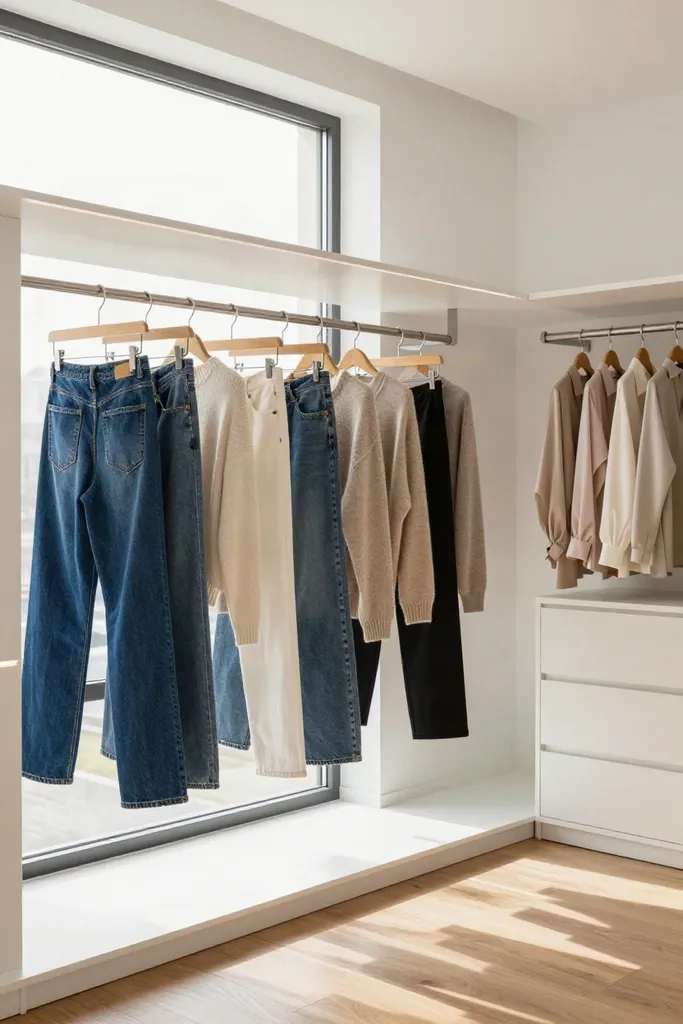
Refining your personal style ultimately comes down to intentionality and mindful maintenance rather than chasing prominent designer labels. Building a lasting quiet luxury wardrobe starts with an honest closet audit. You must examine your go-to essentials and retire fabrics that have lost their structure. When you prioritize natural textures like breathable cotton and fluid silk blends, small routine adjustments, like steaming lapels and keeping leather scuff-free, do the heavy lifting. Committing to these deliberate daily habits transforms simple separates into a dependable, elevated everyday uniform that feels authentic and looks impeccably put-together from morning coffee runs to evening dinners. Pin these essential care and styling reminders to your style moodboard so you can revisit them whenever you curate your seasonal rotation.