The Rise of Quiet Luxury in Corporate Environments
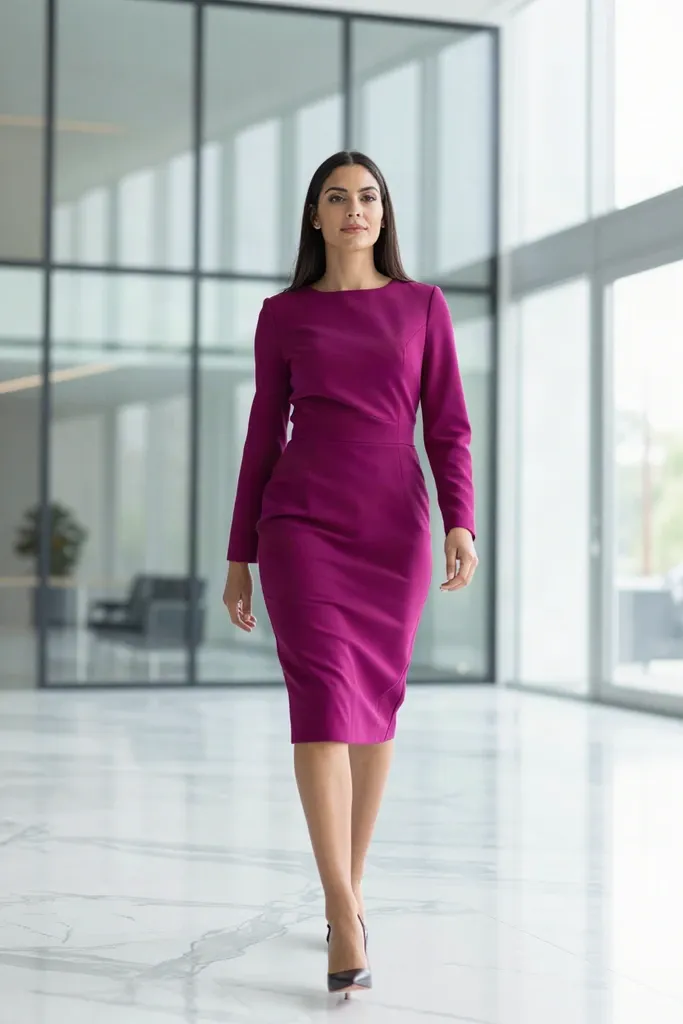
Modern boardrooms are swapping loud logos for understated elegance, marking one of the most practical corporate fashion trends of the decade. At its core, the quiet luxury definition centers on impeccable tailoring and tactile fabrics in muted palettes that project authority without announcing a designer price tag. Mastering this refined aesthetic requires deliberate restraint, where even minor oversights can instantly unravel an otherwise polished corporate wardrobe.
Core Principles of the Quiet Luxury Workwear Aesthetic
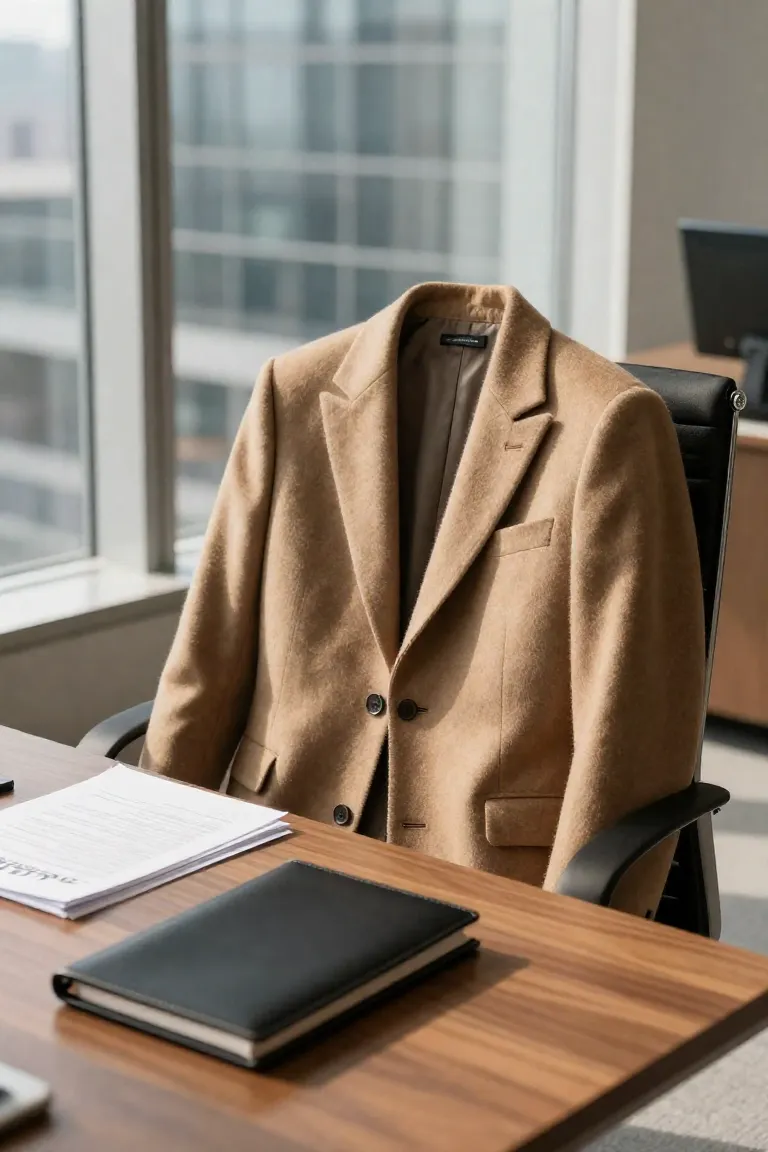
Building a sharp professional presence starts with thoughtful curation rather than an overflowing closet. Embracing minimalist work attire means selecting versatile pieces grounded in a tight neutral palette of camel, rich navy, crisp ivory, and slate gray that pair cleanly across your weekly rotation.
- High quality fabrics like worsted wool and breathable Mulberry silk alongside mid-weight cashmere ensure your garments drape naturally and hold their shape past 5 PM.
- Precise seam lines and balanced sleeve lengths prioritized over fleeting runway cuts keep your silhouette sharp and timeless.
- A strict less-is-more approach to hardware and ornamentation keeps visual focus squarely on your executive presence.
Critical Corporate Styling Mistakes to Avoid
Achieving an understated executive look requires precise discernment, meaning small styling errors can instantly break the illusion of refined sophistication. When assembling daily outfits, common office wear mistakes often stem from prioritizing branded prestige or fast-trend silhouettes over proportion and textile integrity. Identifying and rectifying these subtle missteps protects your professional image and helps you master the art of subtle workplace refinement in daily practice.
Mistake 1: Relying on Visible Logos and Flashy Branding
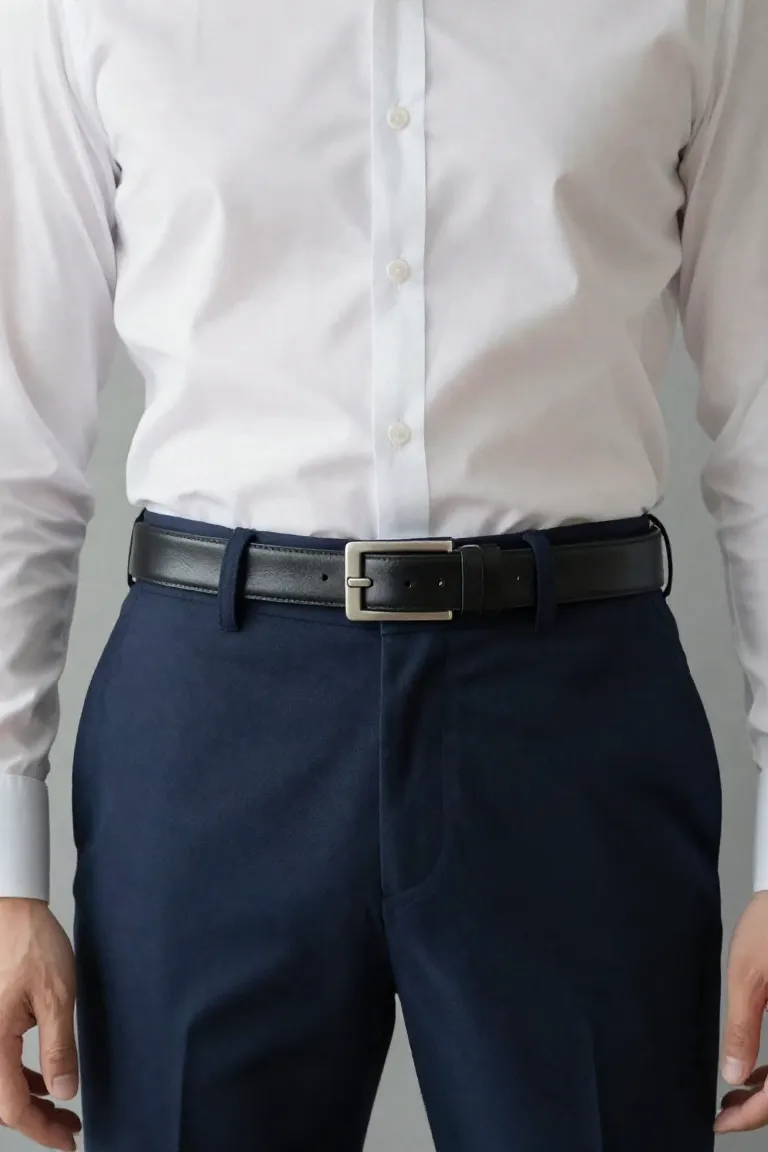
Plastering monogrammed belts and obvious designer emblems across your work attire immediately undermines the understated sophistication you want to project. True corporate refinement whispers through precise cuts and premium natural textiles rather than announcing label prices to the entire conference room. When you choose logo free clothing, your personal presence commands the room instead of turning you into a roving promotional display for fashion houses.
The real power of unbranded luxury lies in its tactile confidence. A clean, labelless silk-blend blouse or an anonymous double-faced wool skirt signals discernment and quiet competence. Colleagues notice the crisp drape around your shoulders and the fluid drape of trousers long before they ever wonder who manufactured them.
Mistake 2: Ignoring Tailoring and Settling for Poor Fit
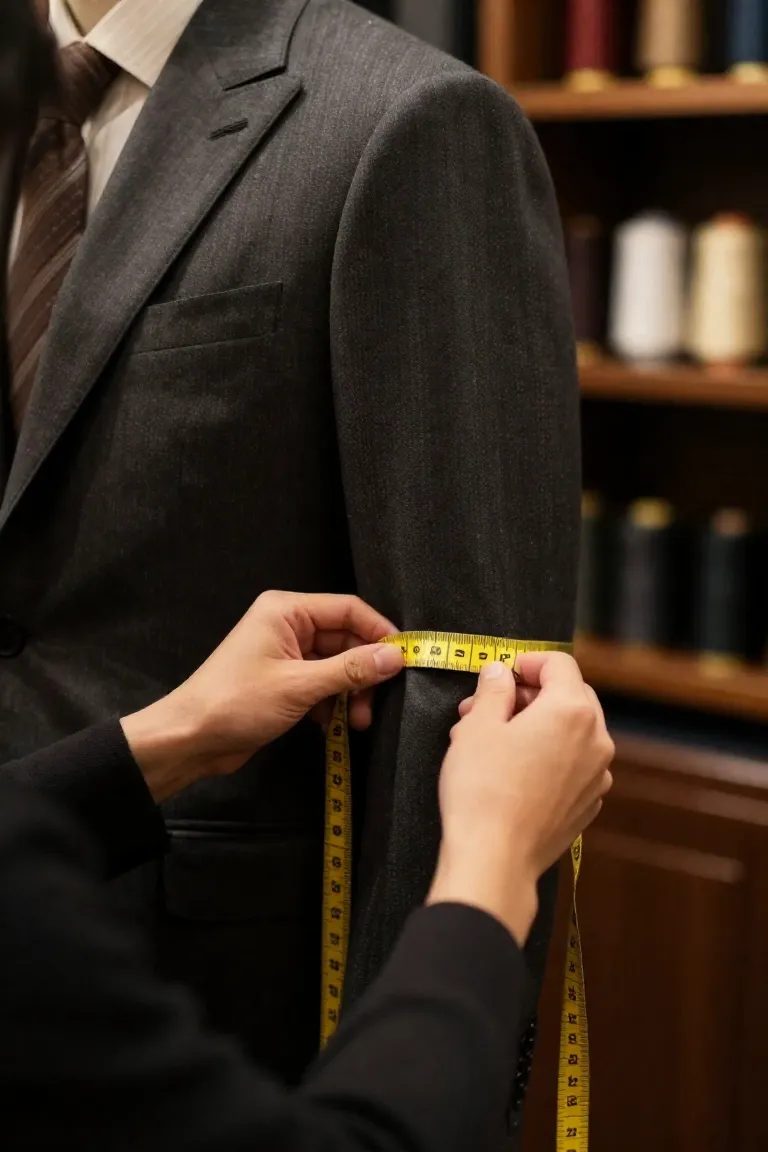
Even four-figure garments crafted from pure virgin wool look sloppy if the shoulder seams droop or the trousers puddle around your ankles. Off-the-rack sizing relies on generic commercial averages, which means finding a flawless off-the-hanger silhouette is virtually impossible for most body types. Taking your pieces to a skilled local seamstress to shorten cuffs to hit right at the wrist bone and hem trousers to kiss your shoe vamp transforms basic separates into sharp, tailored workwear.
A dialed-in office clothes fit creates clean vertical lines that instantly command respect during executive presentations. When fabric skims your body smoothly without tugging or bunching, you move through long workdays with unbothered poise and comfort. Custom-adjusted hems and sleeves demonstrate attention to detail, the exact trait that defines genuine sartorial authority.
Mistake 3: Over-Accessorizing with Statement Pieces
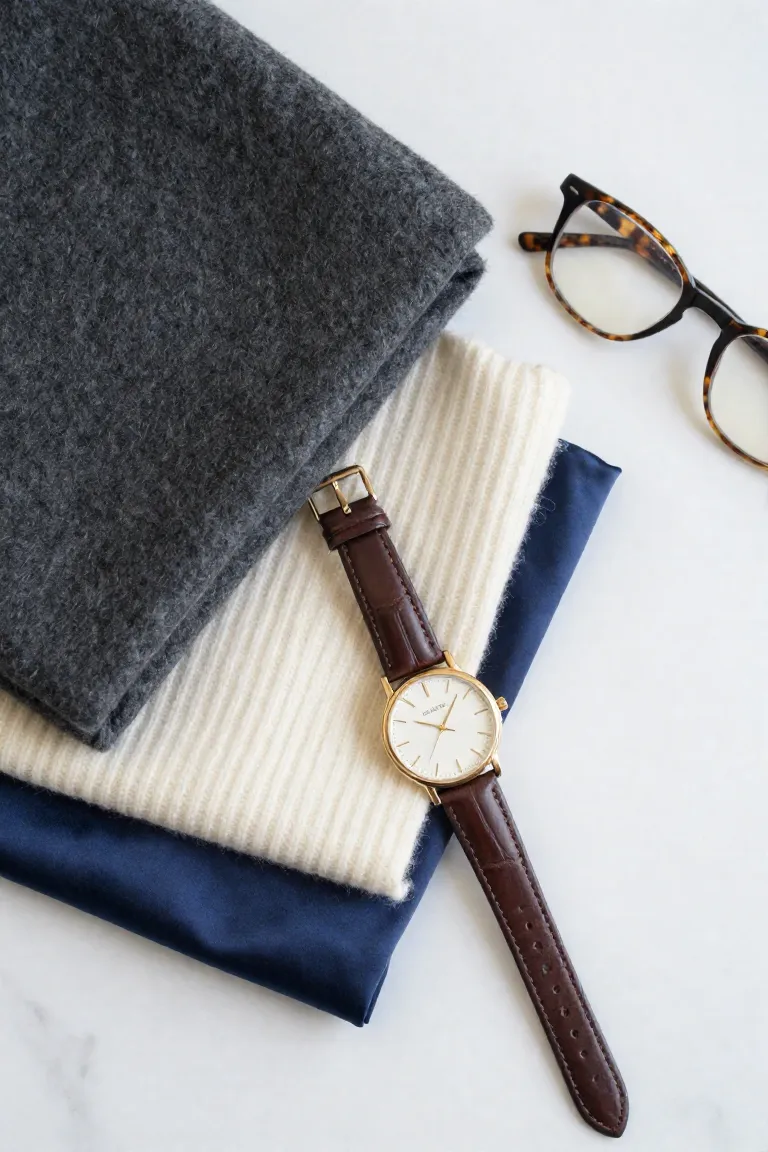
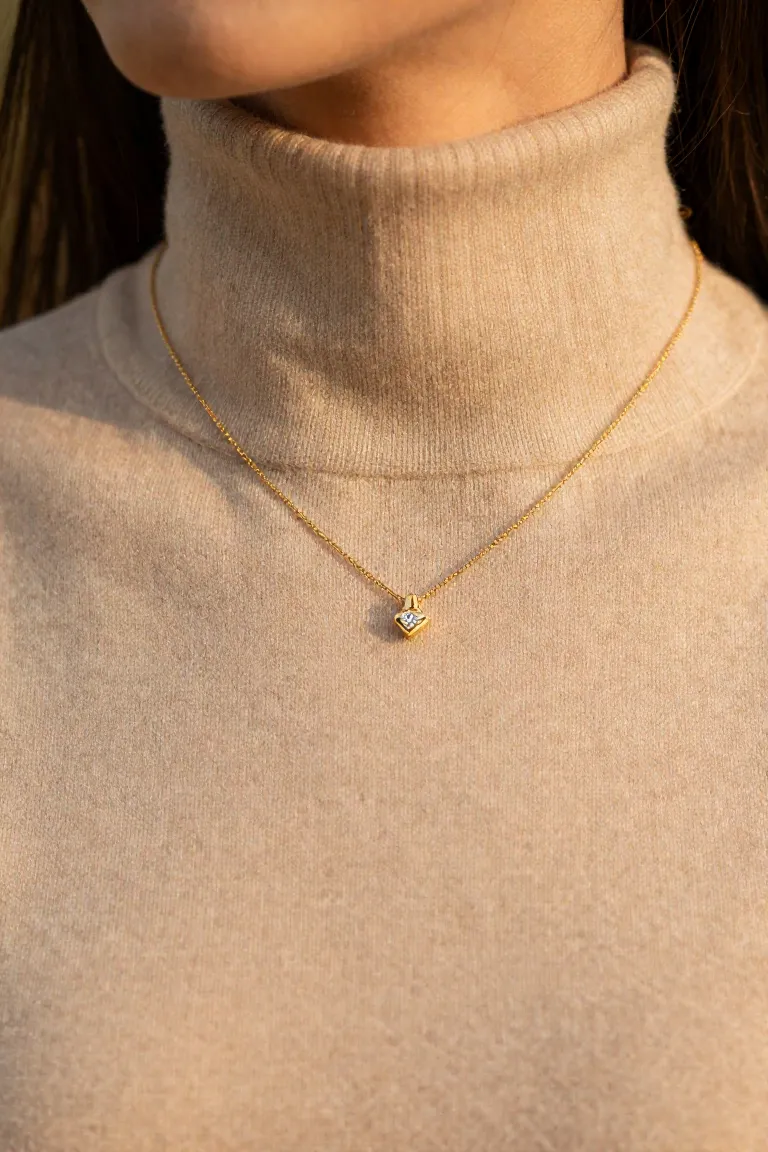
Chunky acrylic bangles that clatter against your keyboard and neon enamel bib necklaces instantly break the visual serenity of a refined corporate ensemble. In a quiet luxury wardrobe, your ornamentation should whisper rather than compete for attention across the meeting table. Swapping heavy costume jewelry for minimalist jewelry, such as a fine 14k gold chain or a slim leather-strapped dress watch, anchors your outfit with deliberate restraint. These understated accessories complement your natural features and allow the crisp drape of your collar to shine in deeply professional settings.
Mistake 4: Choosing Fast Fashion Synthetic Fabrics
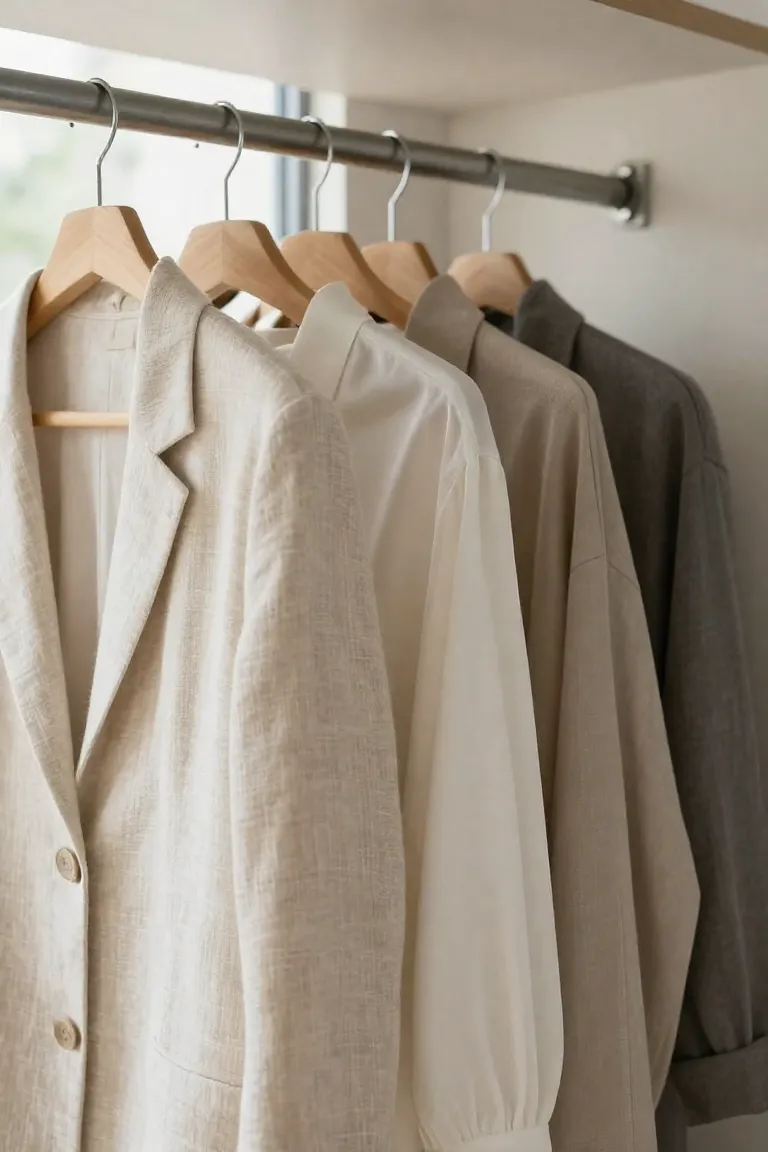
Even the most thoughtfully curated cut loses its composure when constructed from cheap polyester blends or rigid acrylic knits. Under harsh office fluorescents, these petrochemical textiles trap body heat and quickly pill around friction zones like cuffs and waistbands. Shifting your focus toward natural fiber clothing, such as crisp poplin and worsted wool, immediately transforms how your garments drape and breathe throughout an eight-hour workday. These biological yarns resist static cling and hold their architectural lines through repeated dry cleanings. Prioritizing well-sourced textiles also creates a foundation for sustainable office wear, ensuring each pair of trousers and relaxed blazer remains in your daily rotation for seasons rather than disintegrating after a handful of wears.
Mistake 5: Neglecting the Condition of Footwear and Bags
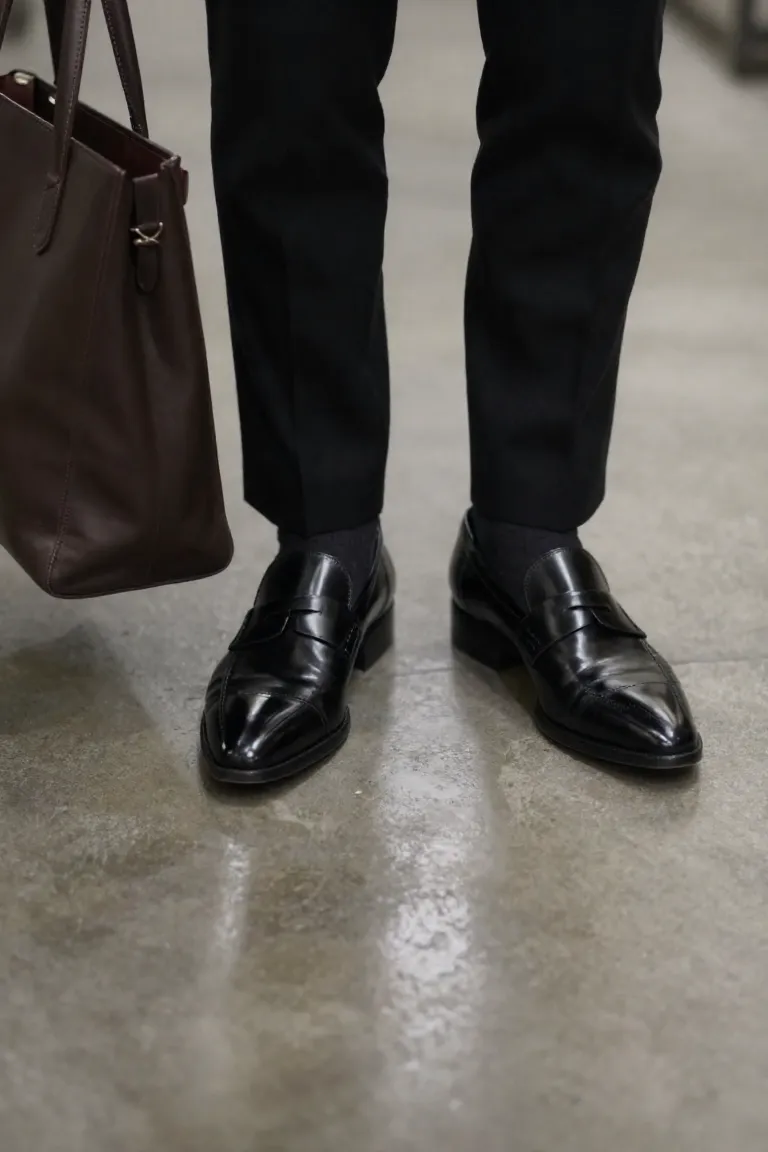
A tailored wool suit or crisp skirt quickly loses its refined edge the moment you step out in scuffed heels or carry a shapeless, overburdened tote. Footwear and everyday carryalls quietly communicate your standard of grooming before you even speak in a conference room. Creased patent leather and rundown heels break the clean lines of tailored clothing, signaling neglect rather than intentional minimalism.
Consistent leather care preserves the integrity of your investments, requiring little more than a monthly conditioning balm and a soft buffing cloth. When selecting professional work bags, prioritize structured silhouettes, such as firm trapeze totes or architectural satchels, that stand upright when set on a meeting table. Sturdy box calfskin and understated unlacquered hardware withstand daily commutes while keeping your corporate presence grounded and composed.
How to Build a Foolproof Quiet Luxury Capsule Wardrobe
Moving past common styling pitfalls begins with shifting your morning routine from impulse purchasing to deliberate curation. Building a quiet luxury capsule strips away visual clutter, replacing trend-driven garments with enduring workwear essentials that harmonize across every setting on your executive calendar.
- A disciplined color palette rooted in oat and warm ecru alongside charcoal allows balanced cross-coordination across every weekday pairing.
- Architectural core tailoring incorporates fluid wide-leg wool trousers and structured single-breasted blazers with crisp collar lines.
- Tactile layering pieces, such as fine-gauge cashmere crewnecks and fine-ribbed knit polos, slip neatly under tailored jackets without bulk.
- Pared-down leather footwear with discreet soles and minimal hardware grounds your daily tailoring in quiet functionality.
Step 1: Curate High-Quality Neutral Basics
Assembling a refined closet begins by stripping away transient micro-trends to focus on precise seams and intentional cuts. A dependable wardrobe foundation relies on premium neutral basics cut from breathable natural fibers, allowing you to create cohesive combinations every morning without second-guessing your outfit.
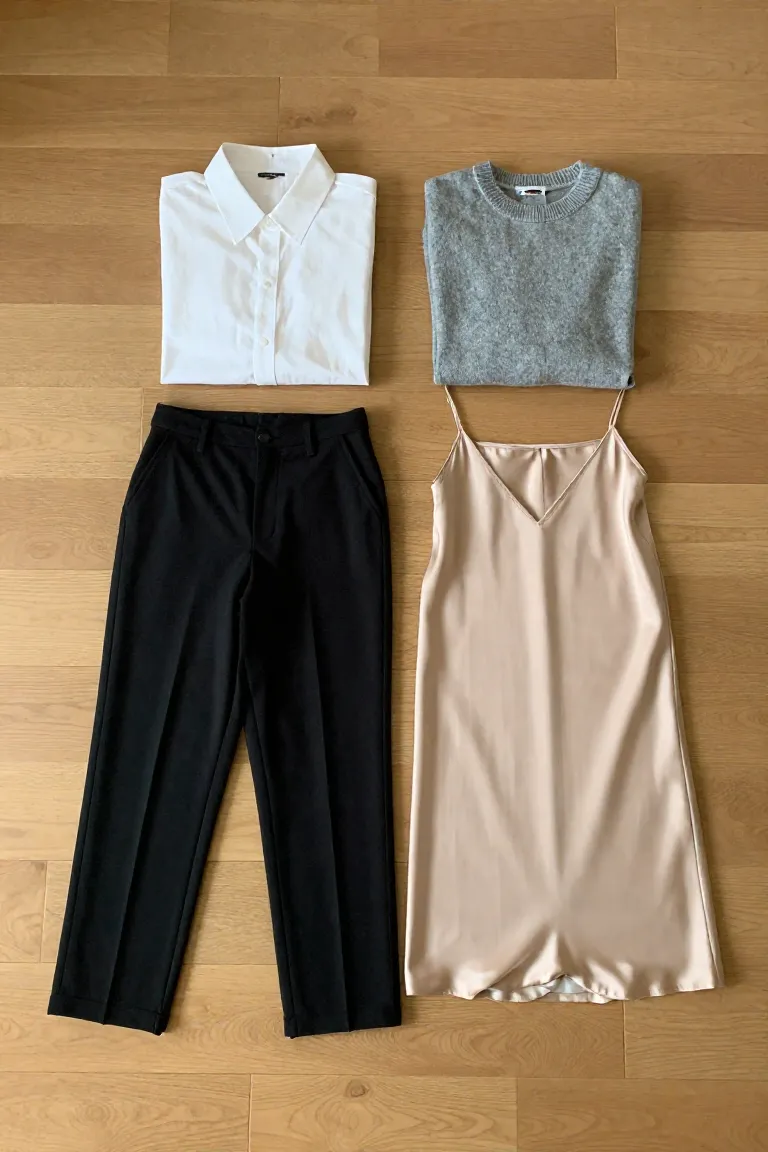
- A crisp cotton poplin white button-down featuring mother-of-pearl buttons and a firm collar holds its shape under tailored layers.
- Black tailored trousers crafted from seasonless high-twist wool crepe feature clean front pleats and an uninterrupted drape over loafers.
- A bias-cut silk camisole in warm ivory sits flat against the skin, offering an understated base beneath open lapels.
- A fine-gauge neutral cashmere crewneck in oat or soft heather gray provides lightweight warmth without disrupting jacket proportions.
Step 2: Invest in Structured Outerwear
Once your base layers are settled, the outer layer establishes the architectural silhouette of your professional wardrobe. Selecting structured outerwear transforms simple trousers and knitwear into an authoritative uniform through sharp shoulder seams and substantial drape. A double-breasted wool overcoat in camel or deep charcoal brings immediate polish to morning commutes, while an unlined double-faced wool jacket maintains crisp lines during transitional weeks. Focus on dense, high-twist textiles that hold their structure rather than collapsing against your frame.
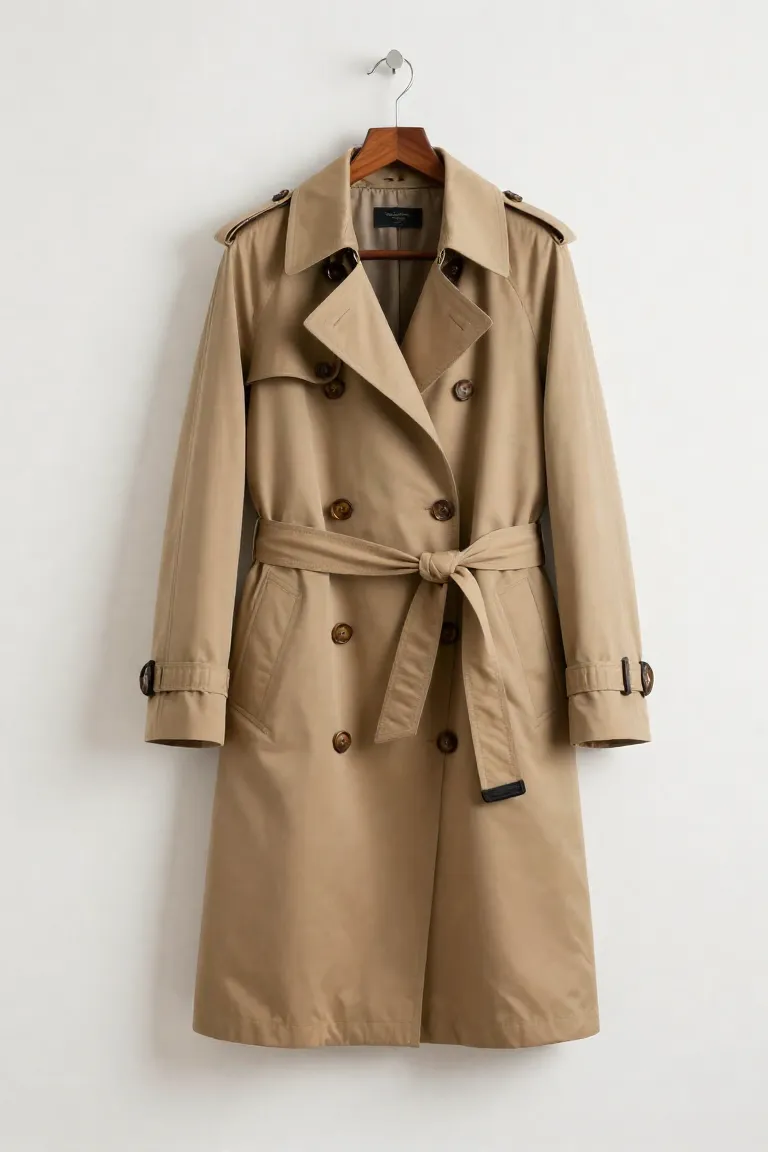
In unpredictable wet weather, classic trench coat workwear proves exceptionally practical when cut from water-resistant gabardine cotton with a defined storm flap. A knotted belt at your natural waist or cinched behind creates intentional shape without feeling rigid. A tailored blazer with subtle shoulder pads and horsehair canvas interlining sharpens your posture comfortably across boardroom meetings and off-site client lunches. Opt for horn buttons and reinforced cupro linings that endure years of routine wear.
Frequently Asked Questions (FAQ)
Patterns can certainly belong in this aesthetic, provided you choose subtle scale over high-contrast graphics. Micro-scale motifs like subdued pinstripes and tonal houndstooth introduce welcome texture without disrupting visual harmony. The secret lies in muted color pairings, such as charcoal on slate or ecru on oatmeal, ensuring the pattern reads as rich fabric texture from across a room. Essential quiet luxury tips emphasize anchoring any patterned garment with solid, matte staples to keep the overall look grounded and intentional.
Formal corporate boardrooms are not the only environments where this restrained approach succeeds. Modern business-casual and hybrid workplaces welcome these standards through softer constructions, such as pairing pleated wool trousers with fine-gauge merino polo collars or exchanging structured blazers for refined knit jackets. A reliable office style guide always prioritizes material weight and clean proportions over stiff corporate dress codes. Focusing on quiet tactile refinement ensures your everyday presence looks poised and entirely appropriate in any working environment.
Conclusion: Projecting Confidence and Competence
Mastering this discreet aesthetic ultimately comes down to deliberate curation rather than runaway spending. When you shift your focus from visible labels toward precise garment fit and immaculate fabric care, your presence immediately registers with calm authority in every boardroom or client meeting. True professional confidence stems from knowing your tailored pieces work in your favor without distraction, whether that means a neatly pressed pair of pleated trousers or a supple leather tote free of scuffs. Treating each wardrobe component with disciplined intention cultivates an elevated office style that reflects your competence long before you even speak. Save these foundational principles to your corporate moodboard to maintain daily focus on precise cuts and tactile natural fabrics.