Introduction: Celebrating Spring Love in Style
When garden venues open under sunny skies, dressing for the spring wedding season invites a shift toward airy textures and fresh color palettes. Nailing your wedding guest style requires balancing polished structure with seasonal ease so you stay comfortable from the outdoor vows to the last dance.
- Decoding invitation dress codes from black tie to casual afternoon gatherings
- Selecting breathable weaves like chiffon and floral jacquard that hold their form
- Pairing versatile hemlines with practical footwear suited for lawn venues
Understanding Dress Codes for Spring Weddings
Before falling in love with a pastel gown or tailored jumpsuit, reading the fine print on your invitation spares you from feeling out of place. Specific event expectations set your baseline for silhouette selection and fabric weight. Mild springtime weather introduces flexibility into traditional attire, letting you play with lighter weaves and brighter accents without overstepping boundaries.
Modern interpretations of formalwear allow for softer lines and expressive textures that heavier winter fabrics cannot accommodate. An afternoon garden affair invites flowing midi dresses and relaxed tailoring. An evening country club gathering leans toward structured floor-grazing silhouettes. By grounding your styling choices in the hosts' expectations, you ensure every layer feels appropriate and comfortable.
1. Decoding Black Tie Optional in Spring
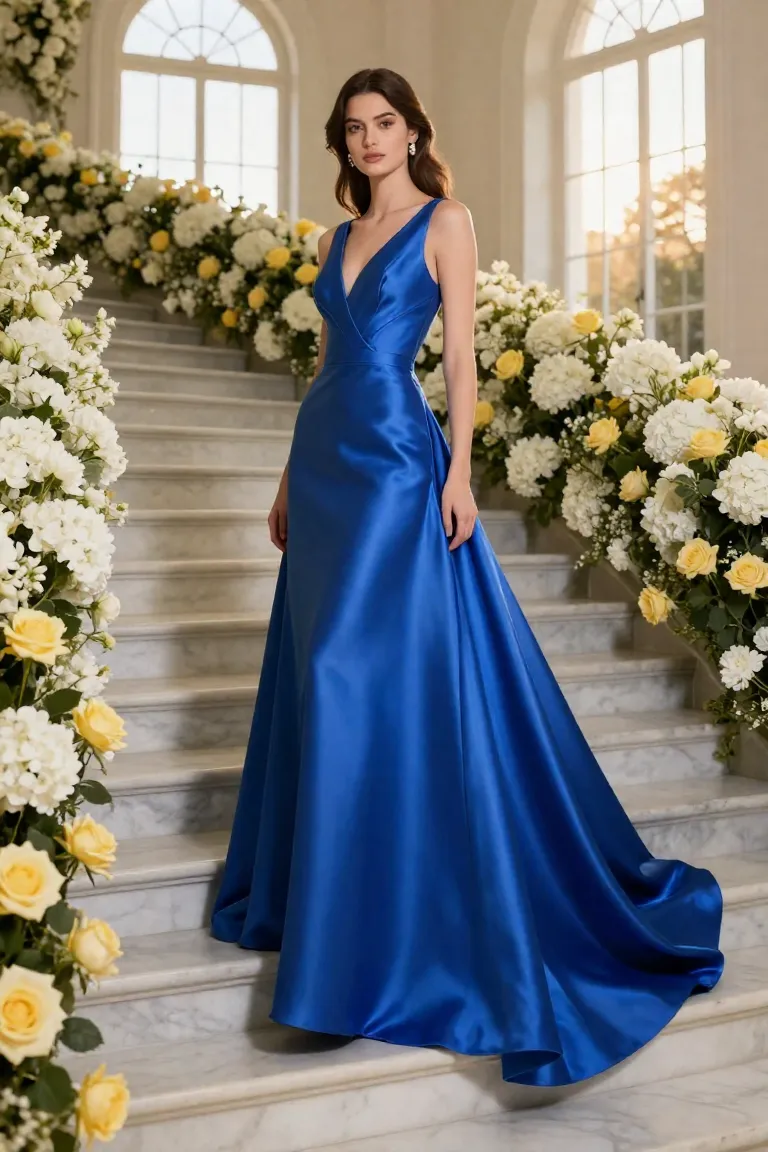
An invitation with a flexible formal dress code gives you the freedom to choose between a floor-length dress and a tailored tea-length silhouette. For warmer celebrations, trade heavy winter velvets for spring formal gowns crafted from fluid silk crepe or crisp organza that catch the evening breeze. If you prefer a midi hemline, select a rich jewel tone or saturated pastel in an architectural cut with a clean drape to match the expectations of the room. Finish the look with metallic ankle-strap sandals and a structured satin clutch, avoiding bulky wraps in favor of a tailored silk scarf for cooler twilight hours.
2. Navigating Semi-Formal and Cocktail Attire
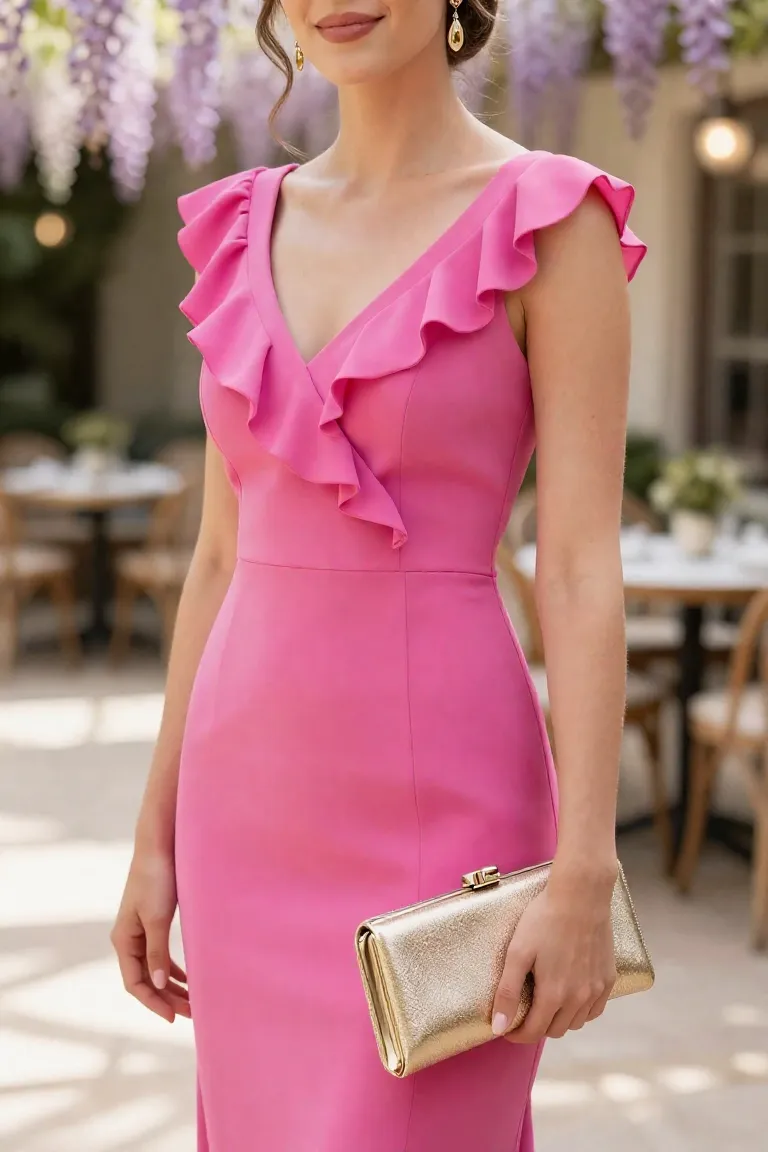
As afternoon ceremonies shift toward evening celebrations, dressing as a semi formal wedding guest gives you room to embrace relaxed tailoring. Knee-skimming shifts and fluid tea-length cuts provide a balanced middle ground, letting you move comfortably between sunlit terraces and seated dinner tables. Architectural accents like cascade ruffles or subtle asymmetrical cuts introduce fresh movement while remaining refined for the occasion. Modern spring cocktail dresses excel in breathable crepe or matte satin that catches the golden hour light without appearing overly nocturnal. Anchor the ensemble with block-heel slingbacks that handle gravel paths securely, then add a compact box clutch and slim sculptural cuffs to finish the outfit.
3. Mastering Casual and Daytime Garden Weddings
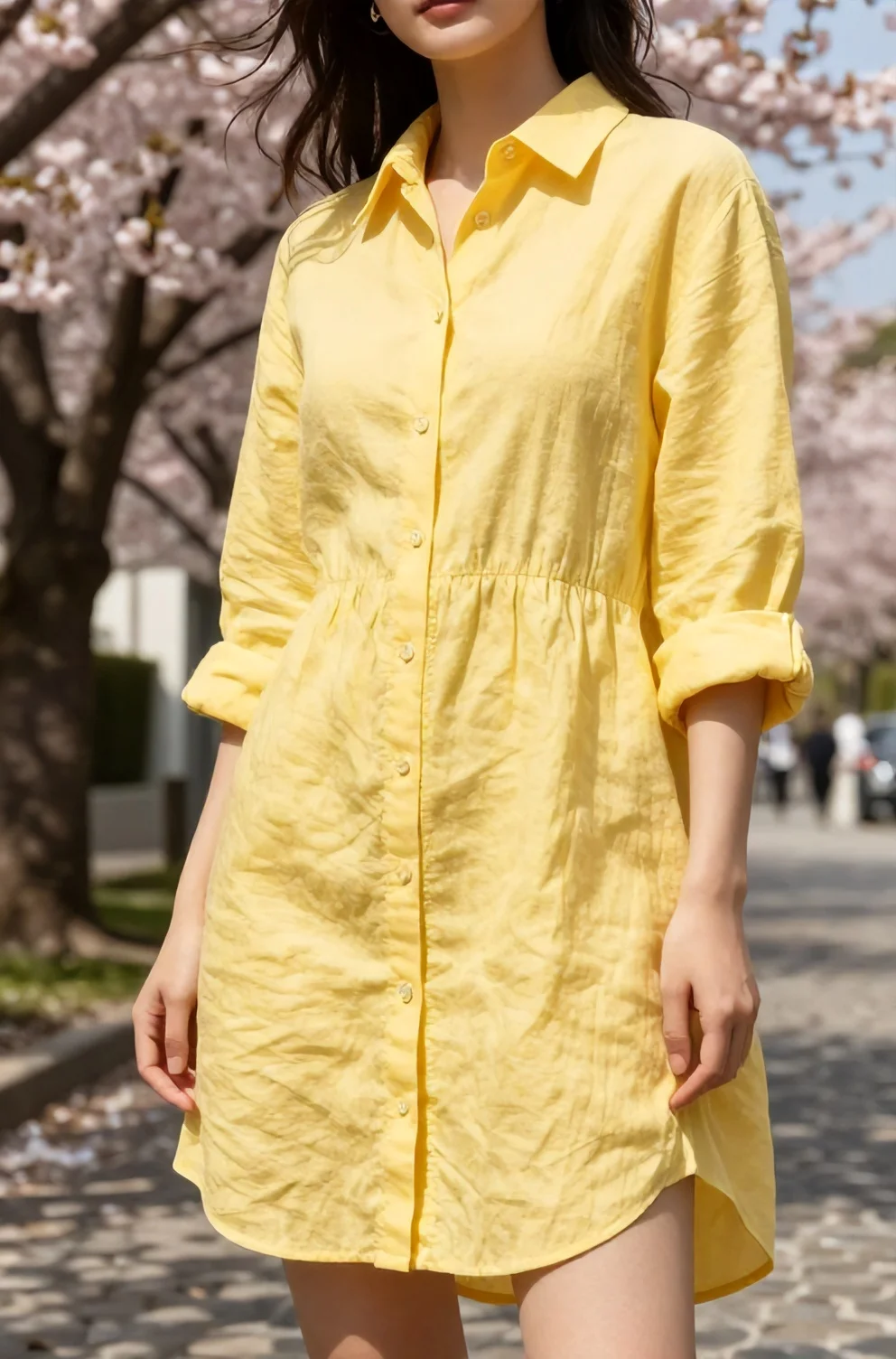
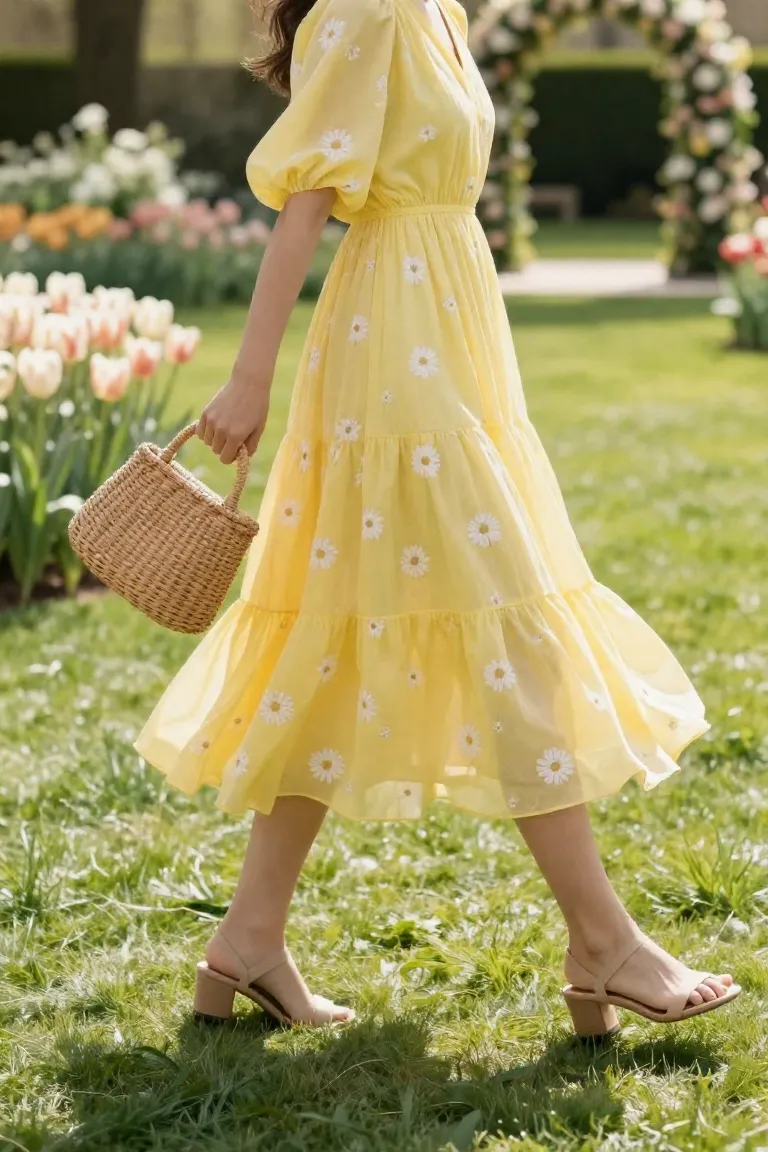
Outdoor ceremonies held on manicured lawns or botanical grounds demand a balance of polish and outdoor mobility. Selecting the right garden wedding attire means prioritizing breezy textiles like eyelet cotton or washed linen that stay breathable under the midday sun. Flowy cuts with relaxed movement prevent fabric from clinging during humid spells, letting you walk comfortably across natural terrain.
- Opt for knee-skimming cuts or tiered calf-length hems to keep delicate fabrics well above damp turf and stone paths.
- Swap skinny stilettos for woven espadrille wedges or stacked block mules that keep your step stable on soft soil.
- Layer fluid casual spring dresses with a lightweight open-weave cardigan or an unlined linen jacket for unexpected cloud cover.
Choosing Flattering Silhouettes for Every Body Type
Finding a wedding guest outfit begins with honoring your unique proportions rather than squeezing into rigid sizing charts. Embracing body positive fashion means choosing cuts that provide gentle support and keep you comfortable from the afternoon ceremony to the late-night dance floor. When you focus on balanced drape and thoughtful tailoring, the garment moves naturally with your frame.
- Look for adjustable wrap ties or gathered elastic waistbands that allow micro-adjustments for day-long ease.
- Explore flattering dress shapes like soft fit-and-flare designs or bias-cut slip dresses tailored to your torso height.
- Seek out fabrics woven with subtle stretch or lined in breathable jersey so you can sit and dance without restrictive seams.
1. The Timeless Appeal of A-Line Dresses
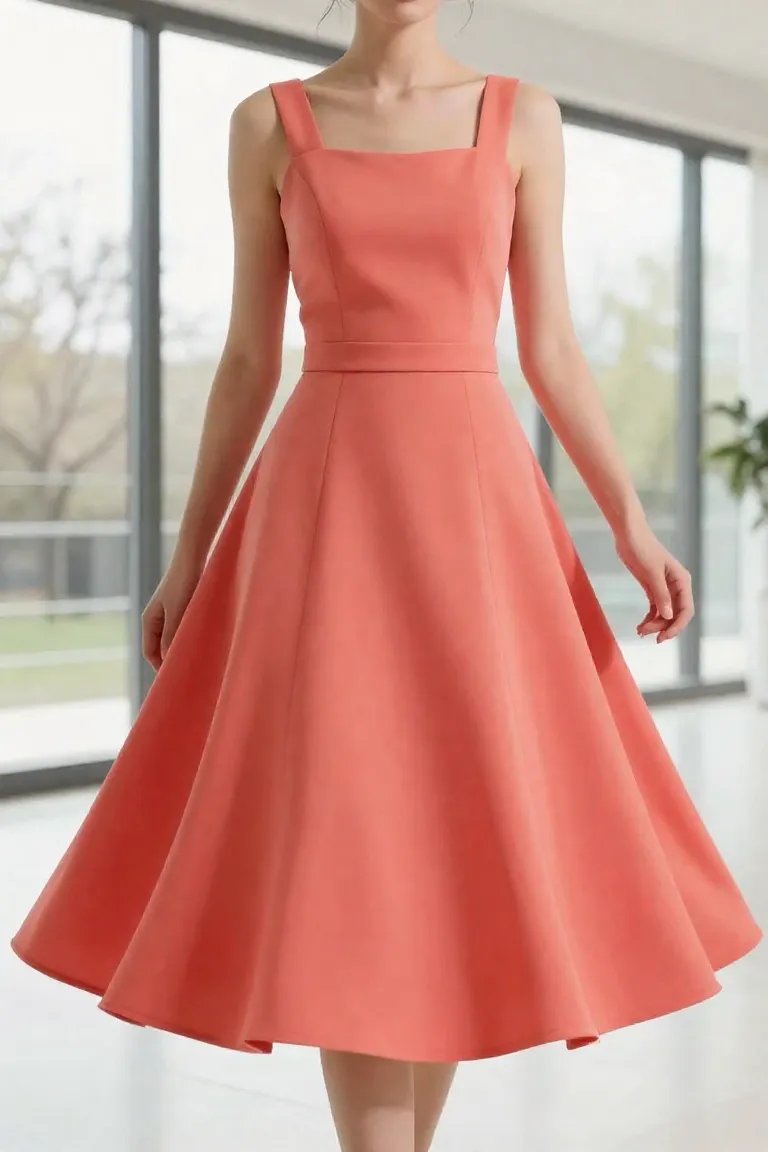
When you need a cut that moves gracefully through an outdoor ceremony and stays comfortable during late-night receptions, a structured waist paired with a gentle flare provides dependable ease. This classic proportion cinches naturally at the narrowest part of your ribcage before cascading outward, creating a clean balance across the hips and thighs. Because the silhouette accommodates diverse frames without clinging or pulling across the midsection, a-line spring dresses remain highly functional for celebrations across different venues.
On the dance floor, the extra room around the skirt gives you a full range of motion while preserving a tailored profile. Look for medium-weight fabrics like spun silk or linen blends that hold their flared shape without collapsing in breezy garden settings. Pair the hemline with strappy block heels or low pointed slingbacks to maintain proportion without sinking into the lawn turf.
2. Elegant Midi and Maxi Lengths
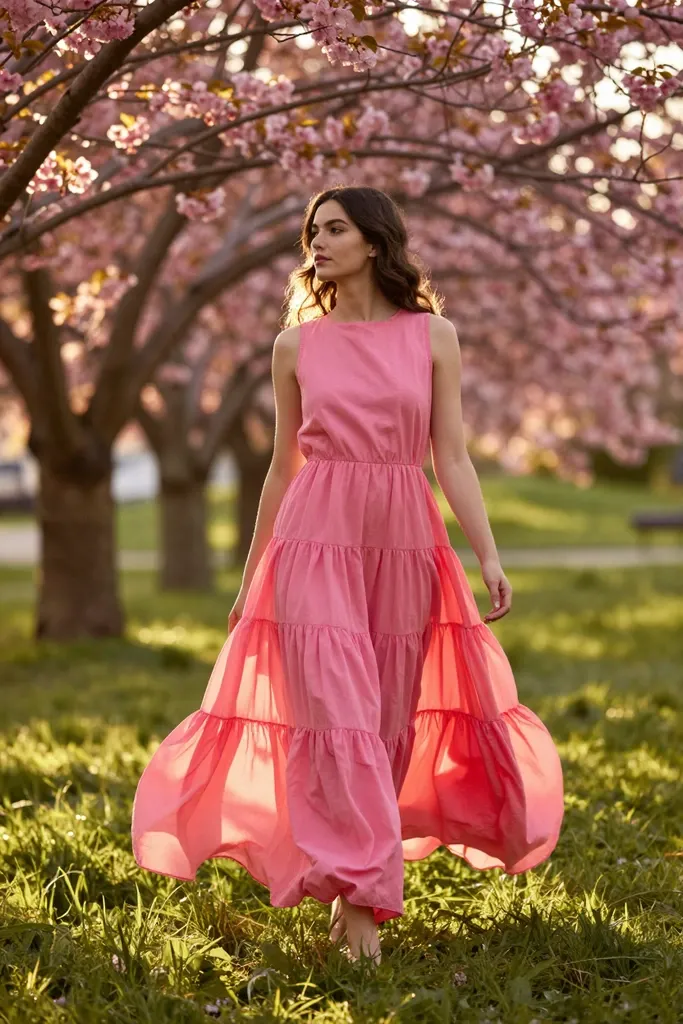
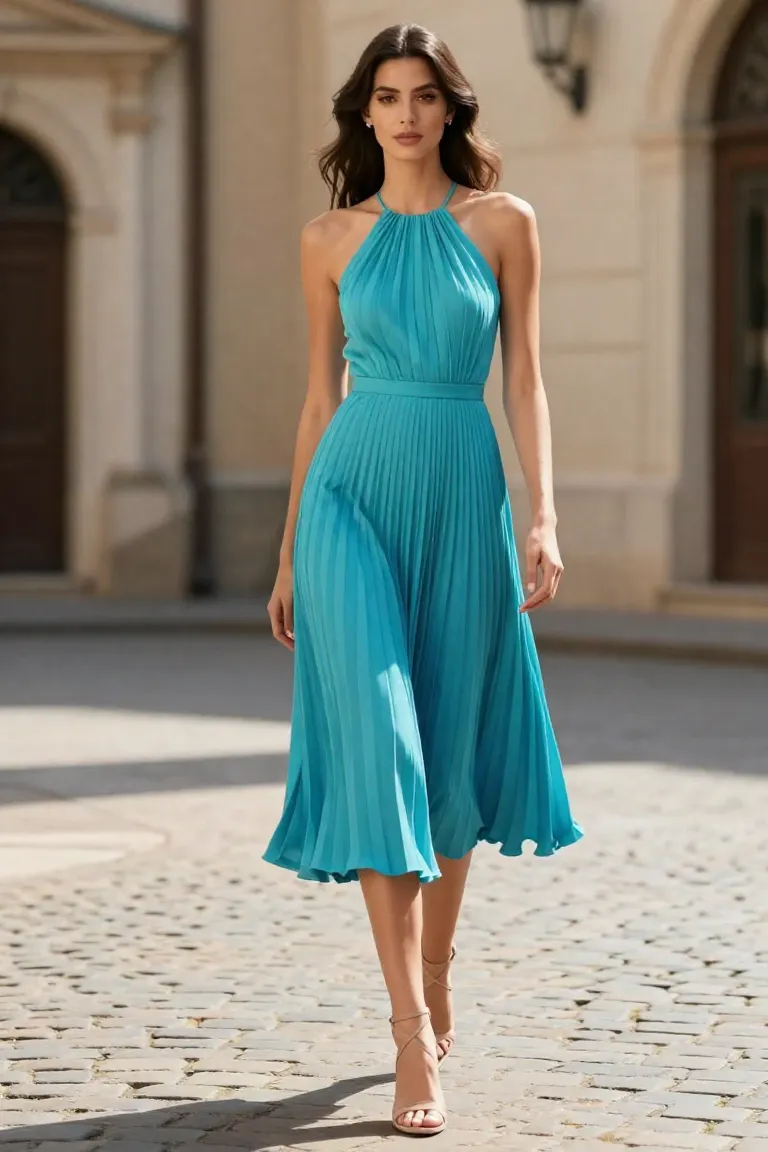
Hemline choices establish the overall proportion of your wedding guest ensemble. Longer lengths bring structured coverage to formal gardens and historic estates, offering wind protection and continuous visual lines.
- Midi guest dresses: Falling midway between the knee and ankle, this mid-calf length showcases statement footwear while preventing the fabric from dragging on damp grass during cocktail hour.
- Maxi wedding guest styles: Floor-skimming hems create a continuous vertical line that visually lengthens your frame, delivering fluid movement across coastal decks and evening ballrooms.
- Proportion tuning: Choose a midi with an asymmetrical hemline for architectural interest, or opt for a side slit in a maxi skirt to ensure unhindered strides.
3. Embracing Wrap Dresses for a Perfect Fit
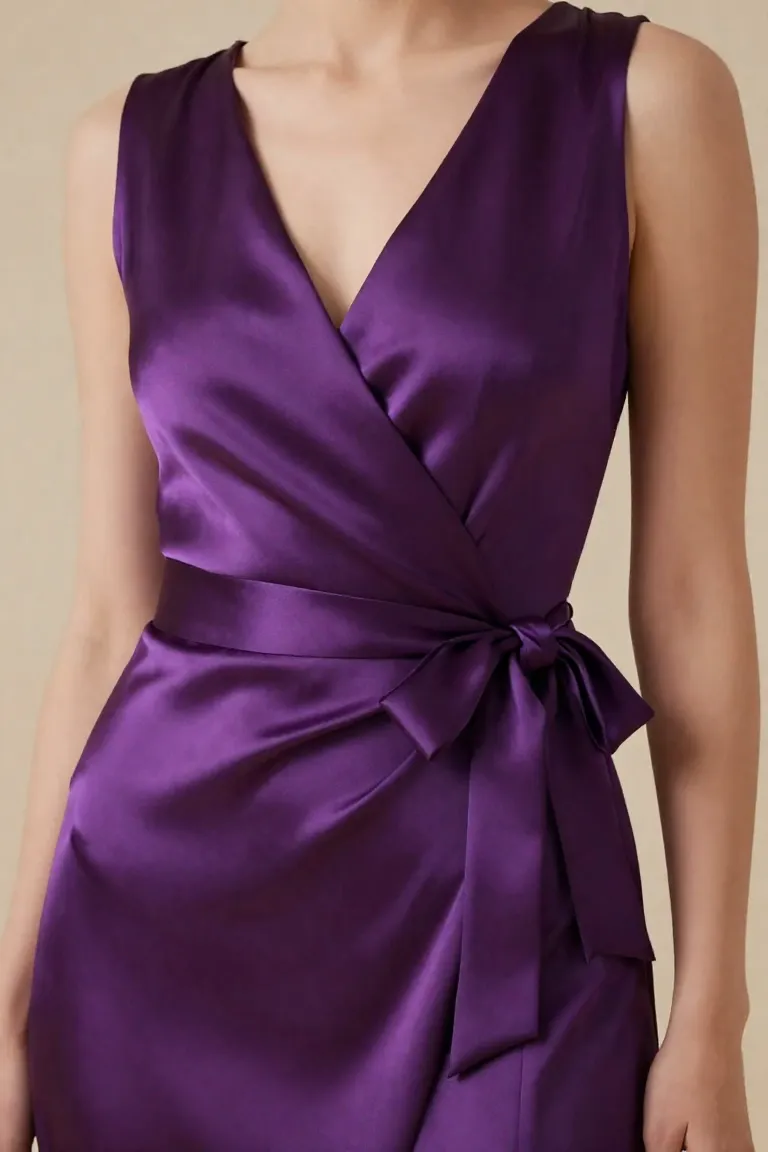
Few silhouettes provide the adaptability and personal comfort needed for an all-day celebration like a true crossover design. Because you secure the garment yourself rather than relying on fixed side zippers, wrap dresses mold precisely across your bust and waistline for an adjustable fit that never pinches during a multi-course dinner. The diagonal crossover creates an open V-neckline, drawing the eye upward without requiring complex undergarments.
Silk jersey or matte satin allow the front panels to drape smoothly across the stomach while resisting stubborn creases during car rides. If you plan to mingle outdoors through shifting afternoon breezes, anchor the overlap with a concealed safety pin or a tiny interior hook to keep the skirt secure as you walk.
Vibrant Fabrics and Textures for Spring
Once you settle on a cut that complements your frame, your focus shifts to the tactile qualities of the garment. Choosing thoughtful spring fabrics determines how comfortably you navigate sunny ceremonies and chillier evening receptions. Appropriate materials dictate whether an outfit breathes during humid outdoor toasts or drapes without clinging to your skin as temperatures rise throughout the afternoon.
Under direct sunlight, heavier winter weaves feel restrictive, making breathability a priority for warm celebrations. Rich weaves with a subtle sheen capture shifting daylight across lawn venues, adding polish to simple silhouettes. When shopping for upcoming ceremonies, prioritize flexible textiles that hold their shape through hours of sitting and dancing without trapping body heat.
1. Lightweight Chiffon and Organza
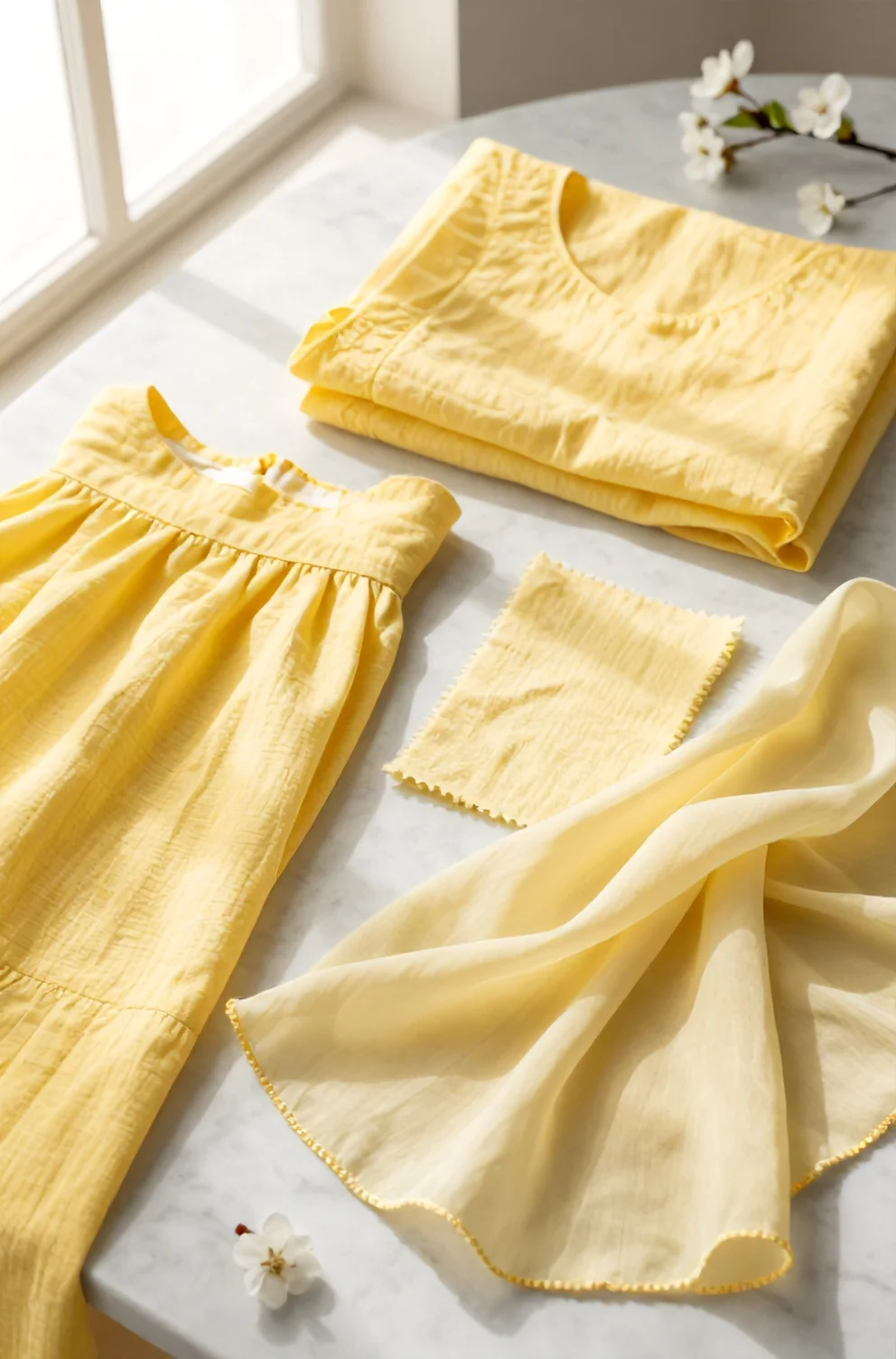
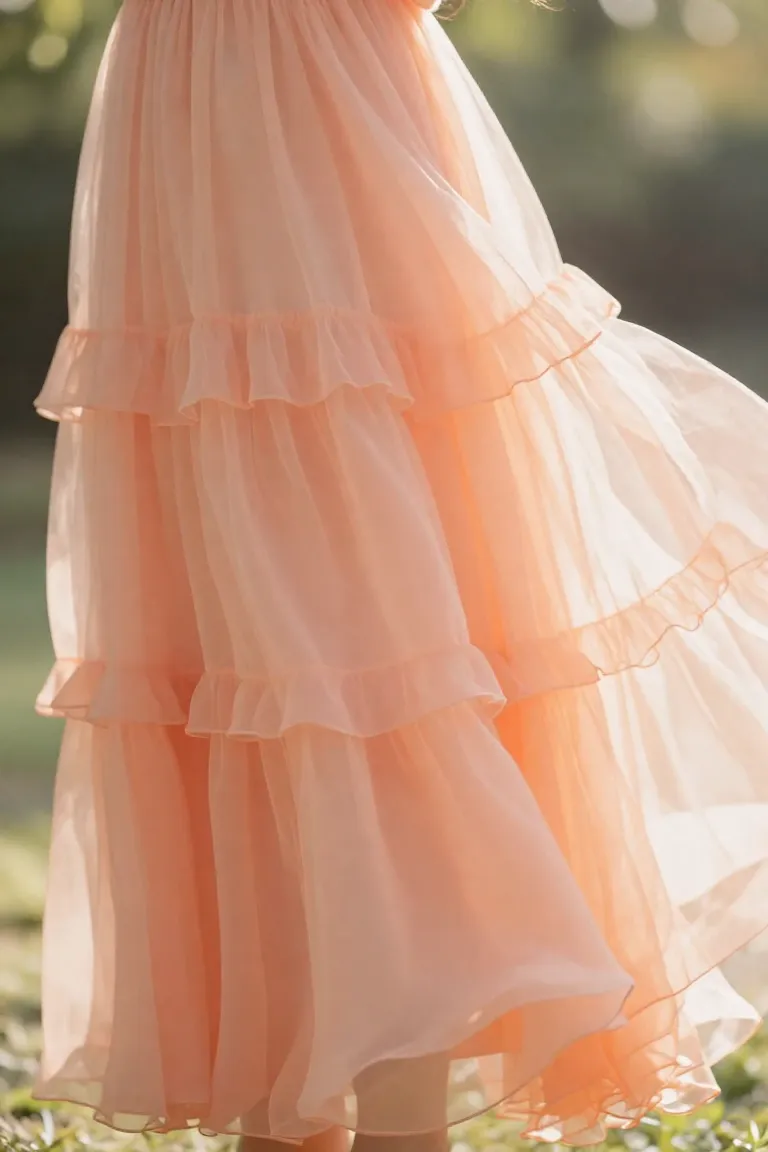
Sheer, thin weaves provide high breathability for outdoor events. Selecting a chiffon wedding guest gown gives you fluid mobility across garden grass while floating softly as you walk. The semi-sheer nature of these airy textiles allows designers to craft tiered skirts and ruffled sleeves that trap very little body heat during balmy midday ceremonies.
Structured organza dresses provide a crisp alternative for guests seeking defined architectural volume without unnecessary bulk. Because the textile maintains its firm body while staying translucent, it forms puffed shoulders and clean hemline flares that stand out against outdoor backdrops. A simple slip underneath keeps the sheer outer layer modest, ensuring you remain refreshingly cool and composed throughout the evening.
2. Romantic Lace and Floral Jacquard
Textured weaves bring physical dimension to formal venues, offering subtle surface texture when courtyard breezes demand slightly more substance. Modern lace guest dresses use corded botanical patterns and breathable cotton blends that move comfortably against your skin throughout lengthy dinner programs.
- Rich jacquard floral designs offer structured tailoring with raised thread work, holding architectural pleats intact from the ceremony seating to the reception floor.
- Open guipure cutouts provide natural ventilation during warm afternoons while giving classic cocktail silhouettes a tactile finish.
- Pair these pronounced patterns with sleek minimalist sandals and unembellished accessories to maintain a balanced visual weight.

Must-Have Spring Color Palettes and Prints
Finding the balance between personal expression and venue etiquette begins with the season's evolving tonal spectrum. While pale creams and whites remain off-limits, seasonal celebrations invite warm terracotta, sage, or French blue into your rotation. Evaluating modern spring color palettes allows you to harmonize with outdoor garden backdrops and historic estates. You want to select shades that fit the setting while allowing the couple and their wedding party to maintain visual priority in group portraits.
For evening receptions or historic ballroom settings, richer undertones help ground lighter accessories and open-toe footwear. Deep dusty rose or twilight navy offer reliable wedding guest colors that balance formal dress codes with warm-weather freshness. If you want to confirm your selection stays distinct from the bridal entourage, checking the couple's wedding website or invitation stationery usually hints at the focal tones to avoid.
1. Bold Jewel Tones and Brights
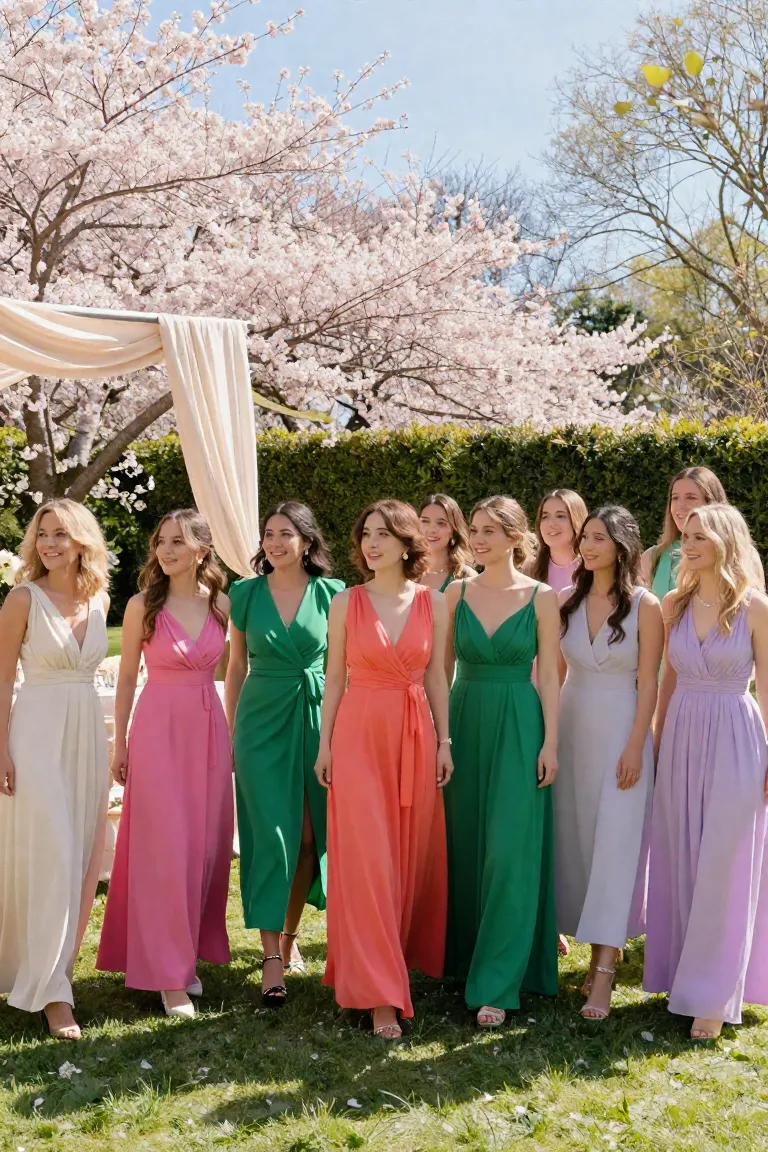
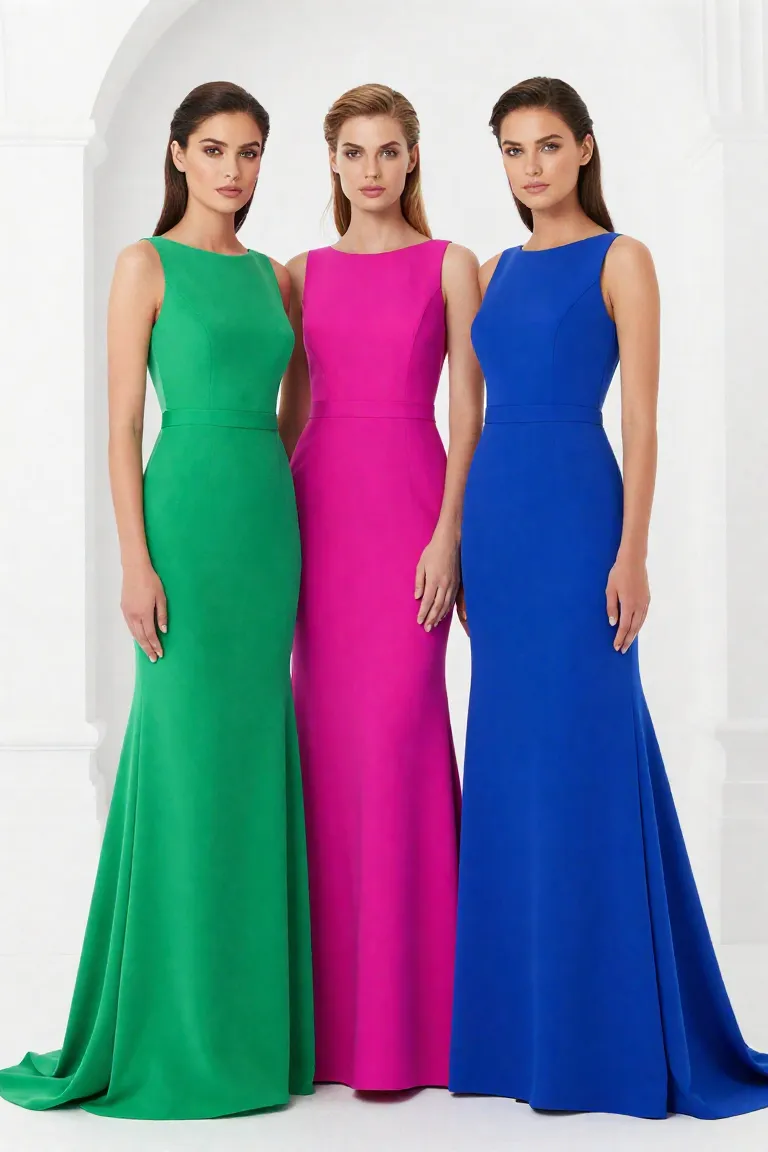
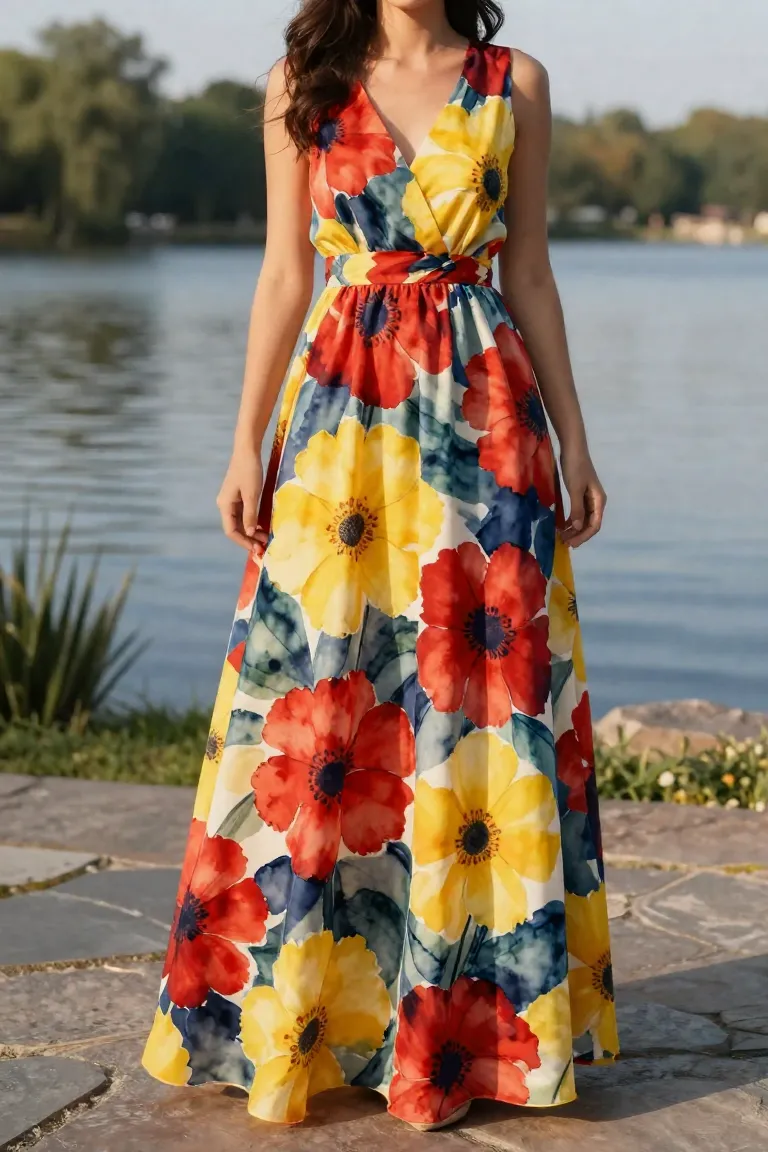
Saturated hues bring sharp contrast to outdoor ceremonies, cutting through lush greenery and golden-hour lighting with crisp visual definition. Rich emerald or royal sapphire provide a striking alternative to customary pastel choices, remaining highly visible in open-air garden portraits where softer tones occasionally wash out under direct sun. Selecting jewel tone dresses crafted in fluid crepe or structured silk shantung gives your ensemble a clean architectural line that feels polished rather than overpowering. Bright colored dresses in poppy red or punchy citrine work well for early-season celebrations without clashing with traditional venue settings. When wearing these intense pigments, ground your styling with metallic mules and a tortoiseshell clutch to keep the primary focus firmly on the rich fabric wash.
2. Playful Floral and Botanical Prints
Pattern scale dictates the overall visual weight of patterned occasionwear, determining how well a motif aligns with venue formality and event timing. For midday lawn vows and rustic vineyard gatherings, botanical print dresses rendered in airy watercolor washes or micro-ditsy blooms offer a soft pattern that mirrors the surrounding flora. If your invitation specifies an upscale evening dinner, pivot toward oversized, painterly blooms or abstract leafy silhouettes set against deep ink or charcoal backdrops. This darker contrast anchors the graphic nature of the print, keeping the silhouette suited for twilight settings. You can refine busy motifs by coordinating your shoes and wrap directly to the background base tone of the dress, letting the foliage remain the sole focal point of your attire.
Frequently Asked Questions (FAQ)
Classic wedding guest etiquette begins with one clear boundary: pure white, alabaster, or pale cream sit firmly at the top of what not to wear. Unless the couple explicitly requests a monochromatic dress code, reserving ivory tones for the newlyweds avoids awkward fashion missteps. When an invitation specifies festive attire, treat that phrase as permission to embrace cheerful colors and cocktail-level hemlines instead of slipping into everyday casual wear.
For unpredictable twilight temperatures, thoughtful outerwear keeps you comfortable without concealing your formal outfit. Cashmere pashminas provide soft warmth and pack compactly inside a woven clutch once the indoor party starts, functioning perfectly across breezy garden ceremonies. When attending evening receptions with cold air, tailored cropped blazers deliver sharp architectural lines and dependable wind protection over slip dresses and fluid jumpsuits.