Introduction to Casual Quiet Luxury
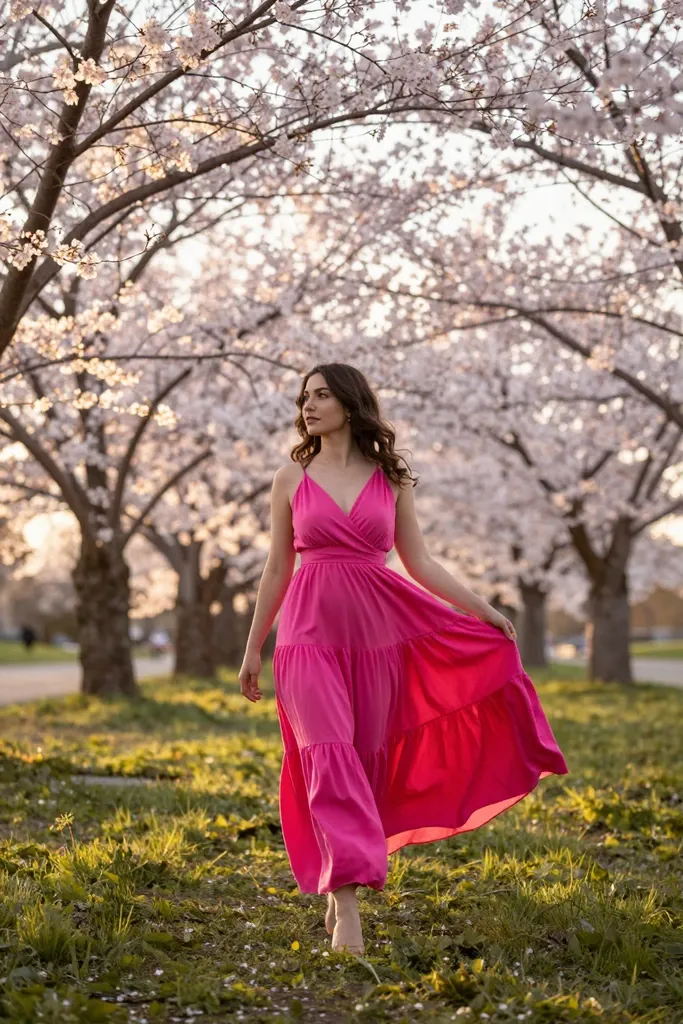
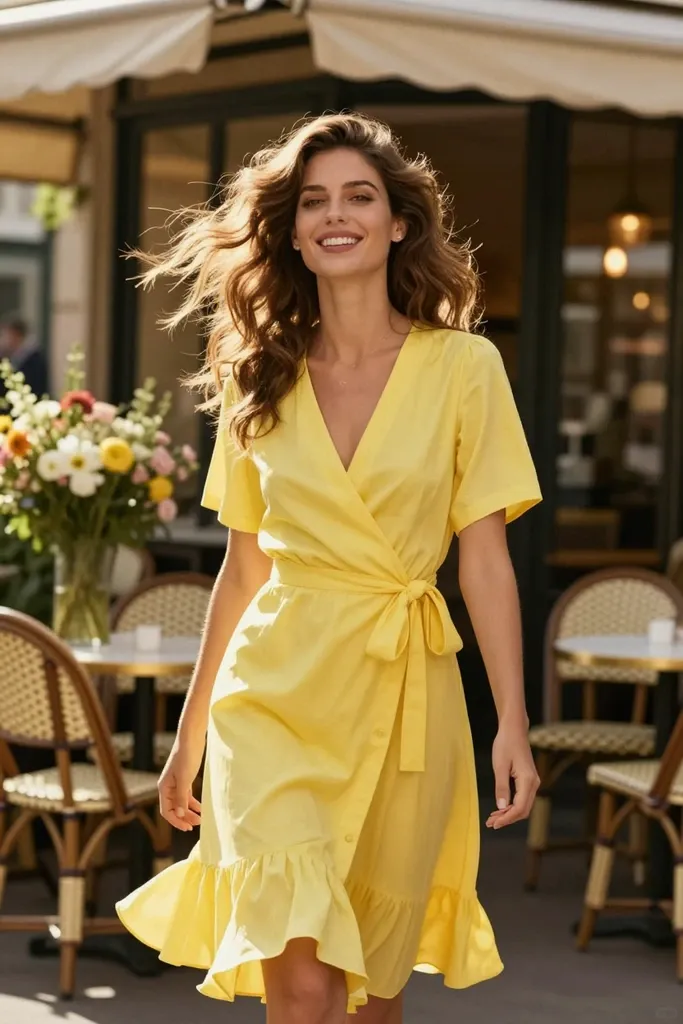
Looking genuinely polished does not require designer tags or astronomical budgets. The quiet luxury aesthetic prioritizes deliberate proportions and tactile fabrics that naturally shape your everyday style. By focusing on garment integrity and timeless neutral tones, you can build an understated daily wardrobe that looks grounded and refined.
What Defines the Quiet Luxury Aesthetic?
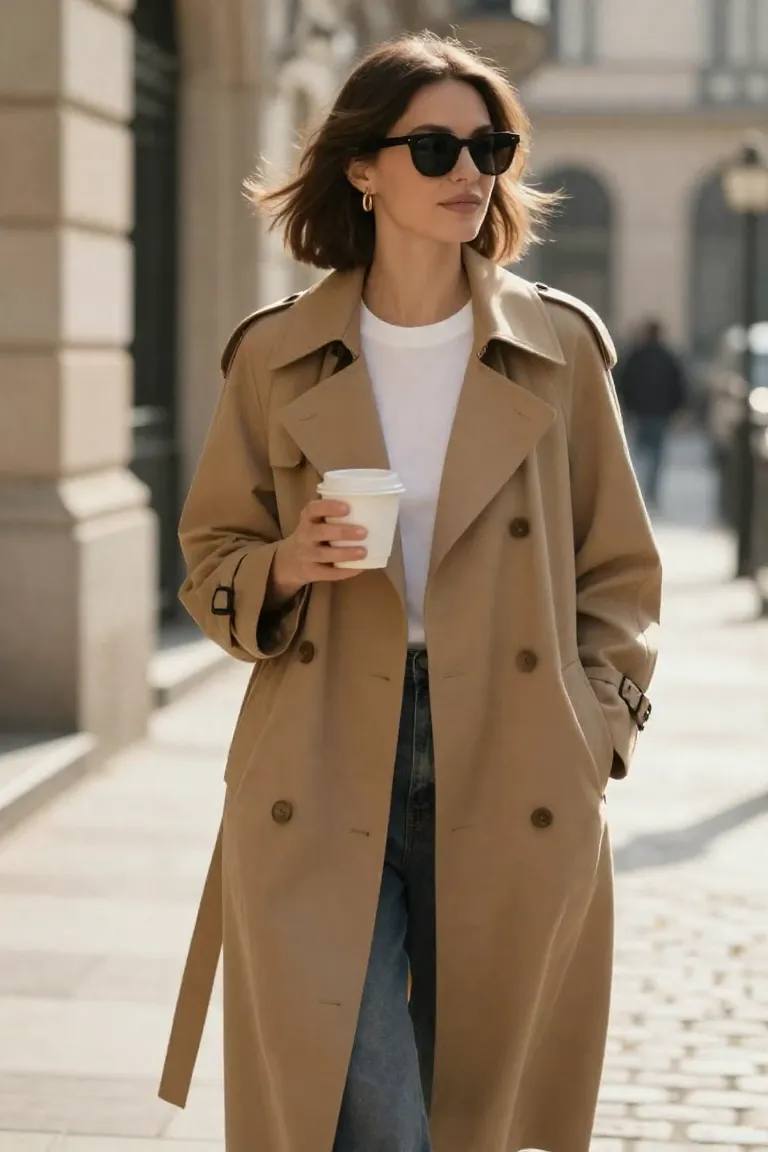
This understated design movement rejects conspicuous consumerism in favor of quiet refinement and enduring quality. Drawing cues from classic old money style, stealth wealth fashion prioritizes how clothing drapes and feels rather than broadcasting brand recognition. The focus stays squarely on disciplined tailoring and neat hems.
- Tonal Neutral Palettes: Soft cream, rich espresso, camel, and deep slate gray anchor every outfit with calm visual balance.
- Zero Visible Branding: Clean seams and the absence of exterior logos keep attention on silhouette and fit.
- Tactile Natural Textiles: Substantial combed cotton and fine-gauge knitwear provide organic texture that holds its structure all day.
The Core Principles of Elevated Dressing
Great personal dressing relies far less on price tags and far more on structural harmony. When curating a functional minimalist wardrobe, the way a garment sits across your shoulders and breaks over your footwear dictates its perceived value. Natural fabric drape, like the fluid fall of pleated linen or the clean architecture of wool twill, signals refinement because quality cloth moves gracefully with the body rather than clinging or bunching awkwardly.
A precise tailored fit transforms basic wardrobe staples into sharp, deliberate statements. Instead of mixing clashing hues, sticking to a tight palette of ivory, navy, and charcoal creates an unbroken visual line that looks considered. Small details like properly hemmed cuffs and matching belt leathers bring a sense of intention that makes casual weekend separates feel bespoke and put-together.

Why You Do Not Need a Designer Budget
True polish has far more to do with thoughtful garment maintenance and tactile fabric weights than four-figure price tags. When you master practical budget style tips, such as steaming out creases and swapping cheap plastic buttons for matte horn, off-the-rack pieces read just as refined as bespoke tailoring. The secret to affordable luxury lies in zeroing in on dense natural fibers like heavyweight combed cotton, crisp linen, and substantial merino wool while skipping overt branding entirely. Clean proportions and well-pressed seams communicate personal discipline and taste. Rather than pouring savings into runway names, focusing on garment care and quick seamstress adjustments builds a dependable daily rotation that outlasts seasonal hype.
Essential Wardrobe Staples for Casual Quiet Luxury
Building a refined personal uniform starts with shedding closet clutter in favor of intentional, high-rotation pieces. A curated collection of capsule wardrobe essentials anchors your mornings, removing the frustration of staring at overflowing hangers filled with thin, trend-driven fast fashion that loses shape after two washes. Choosing fewer garments made from durable textiles ensures that every single item pulls its weight across multiple settings, whether you are heading into an informal creative meeting or packing a weekend tote.
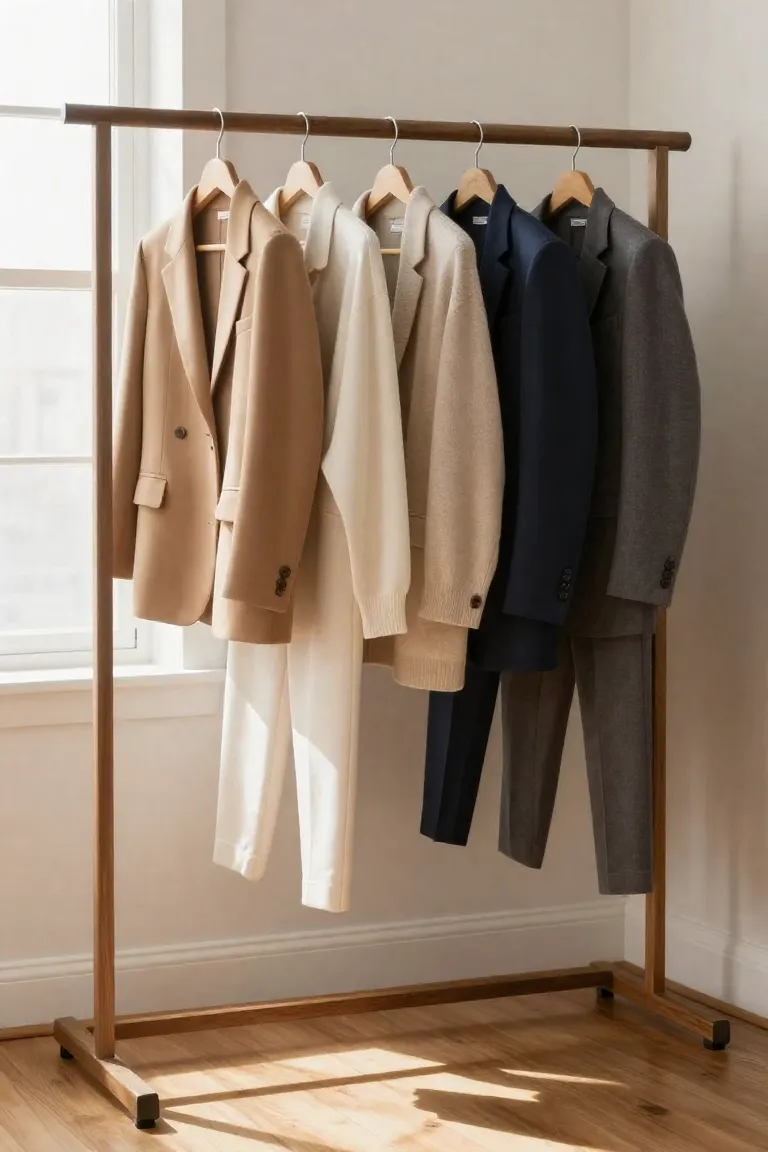
A tight core of basic clothing staples like tailored wool trousers, dense cotton crewnecks, structured blazers, and clean-lined outerwear allows endless outfit combinations without visual fatigue. Through a disciplined color palette of ecru, rich navy, warm camel, and washed charcoal, these foundational garments coordinate naturally without friction. You spend less time debating what to wear and more time stepping out in balanced, dependable outfits that function reliably throughout the day.
Premium-Feeling, Unbranded Denim
Few garments anchor an understated wardrobe quite like well-constructed classic denim stripped of excessive pocket embroidery and distressed fraying. When shopping for pairs that hold their shape from morning commute to casual dinner, prioritize rigid 100% cotton weaves with substantial fabric weight rather than high-stretch synthetic blends. Mid-rise or high-rise straight leg jeans and relaxed wide-leg silhouettes create a clean vertical drape, skimming the thighs while falling cleanly over leather loafers or low-profile sneakers.
Washes in deep raw indigo, authentic vintage blue, and warm ecru provide the greatest versatility across seasons, avoiding synthetic acid treatments or artificial whiskering. The absence of back-pocket branding or shredded knees keeps the look discreet and polished. Paired with a pressed white poplin shirt or a fine-gauge knit, these quiet cuts prove that thoughtful fabric integrity maintains a refined appearance better than exterior logos.
The Perfect Crisp White T-Shirt
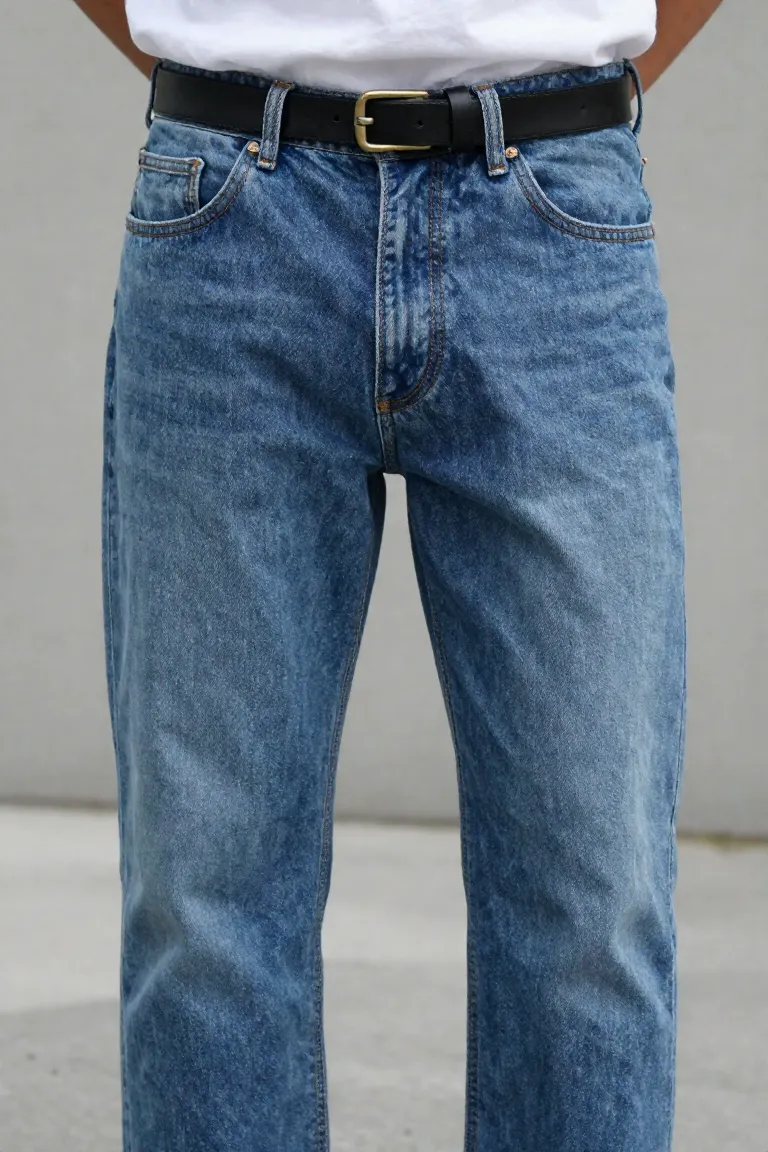
A substantial white cotton tee anchors daily styling. Thin, translucent jerseys compromise an outfit, which makes fabric density your primary filter when shopping for elevated basics. Seek out combed ringspun cotton around 200 to 240 GSM, a substantial weight that hangs straight without clinging to the torso or showing seam lines beneath. A tightly bound, ribbed crew neckline ensures the collar lies flat against your collarbone rather than rippling or sagging after wash cycles. Give preference to a relaxed, boxy cut featuring gently dropped shoulders and sleeves that hit mid-bicep. When you tuck this structured silhouette into neat waistbands, it maintains its crisp shape and clean lines.
Elevated Knitwear and Sweaters
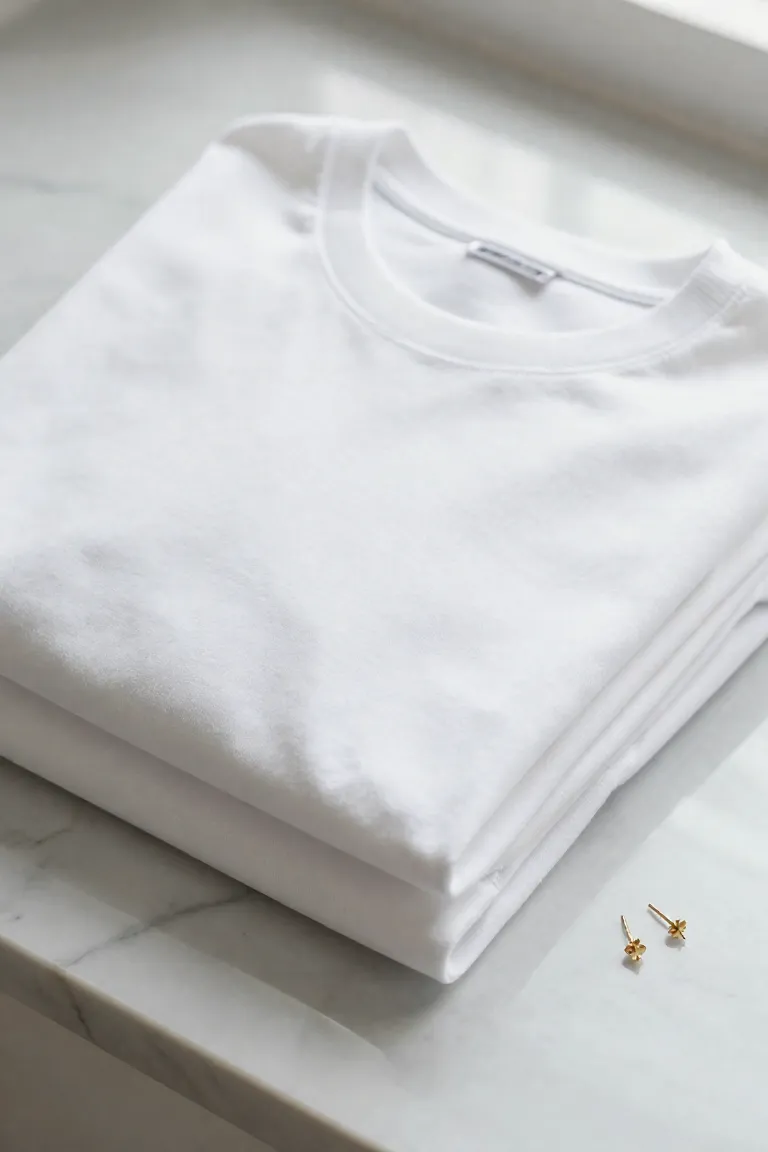
Layering tactile depth over smooth cotton foundations brings dimension to casual dressing. While ultra-fine cashmere often demands steep investment and delicate upkeep, smart textile alternatives deliver similar visual richness without fragile fibers. A mid-gauge merino wool sweater balances temperature and drapes cleanly across the shoulders while resisting surface pilling over time. If you prefer softer textures, brushed alpaca blends create a muted halo effect on brisk mornings. For milder weather, tightly spun milano-stitch cotton knits offer sharp architectural drape and machine-washable ease. Sticking to neutral knitwear in oatmeal, deep espresso, slate, and charcoal ensures each piece pairs naturally across your existing trousers and denim rotations.
Tailored Trousers for Daily Wear
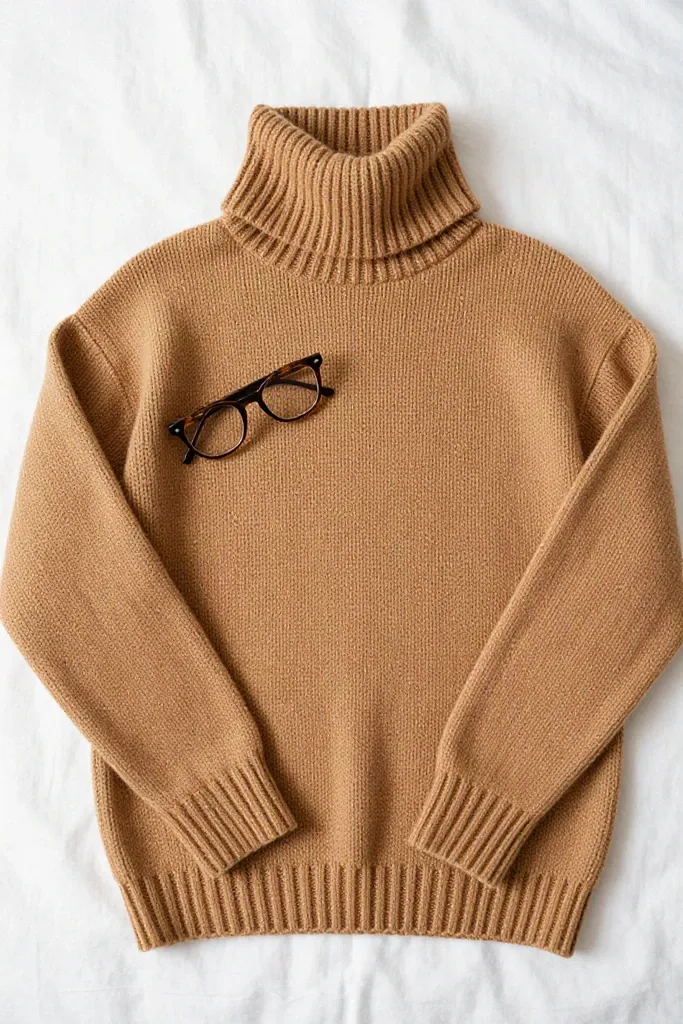
Swapping stiff blue jeans for relaxed bottoms creates a shift toward relaxed refinement. Modern pleated trousers offer room through the thighs with a subtle, non-restrictive taper toward the ankle. Choosing matte fabrics like lightweight tropical wool, wool-blend gabardine, or sturdy poly-rayon twill prevents unwanted corporate sheen under natural sunlight. These fluid textiles fall in clean vertical lines, giving simple weekend silhouettes a structured finish without feeling rigid.
Low-profile leather sneakers strip away boardroom stiffness and anchor casual tailoring in realistic daily routines. A pair of unadorned white tennis shoes or retro gum-sole trainers grounds the wider hems, creating a purposeful contrast between classic craftsmanship and streetwear ease. Throwing a slightly boxy crewneck on top or half-tucking a soft knit completes a balanced uniform suited for weekend errands or coffee meetups.
Key Accessories to Elevate Your Look
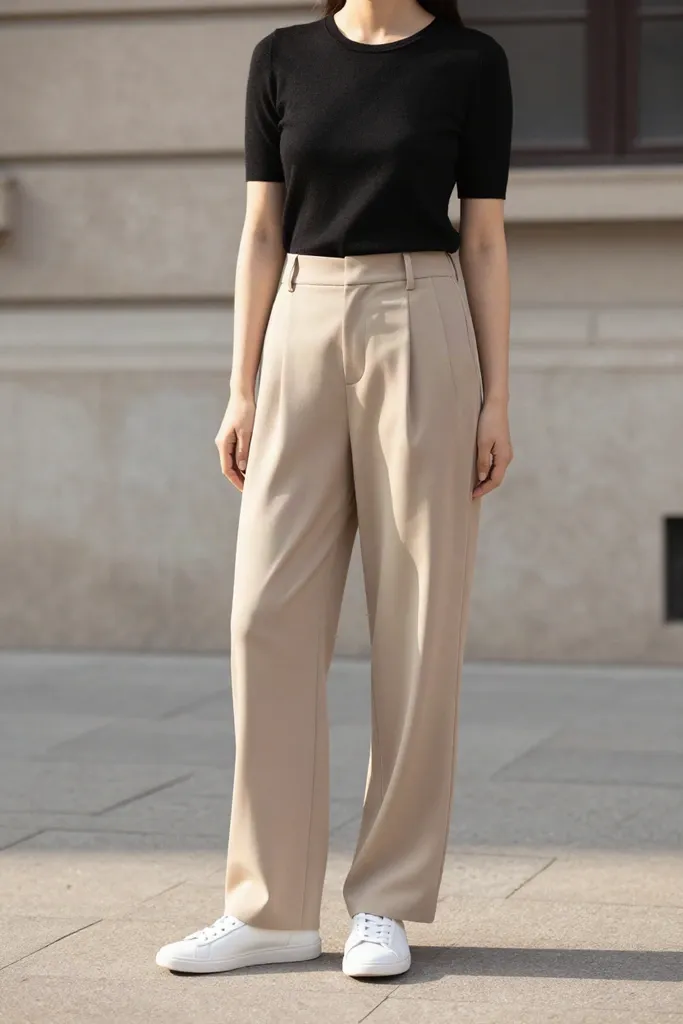
Once your daily rotation of relaxed trousers and knits is established, the finishing accents anchor the overall look. Thoughtfully chosen pieces create deliberate visual weight, giving basic department-store staples a custom-tailored appearance. Outfit styling requires discipline rather than excess, relying on small, intentional details to bring sharp cohesion to every silhouette.
- A slim, clean belt adds structural contrast against soft cotton or drapey wool.
- Brushed metal finishes introduce an understated luster that never competes with your clothing.
- Well-proportioned minimalist accessories sharpen the boundaries of relaxed garments to deliver a refined finish.
Minimalist Leather Belts and Bags
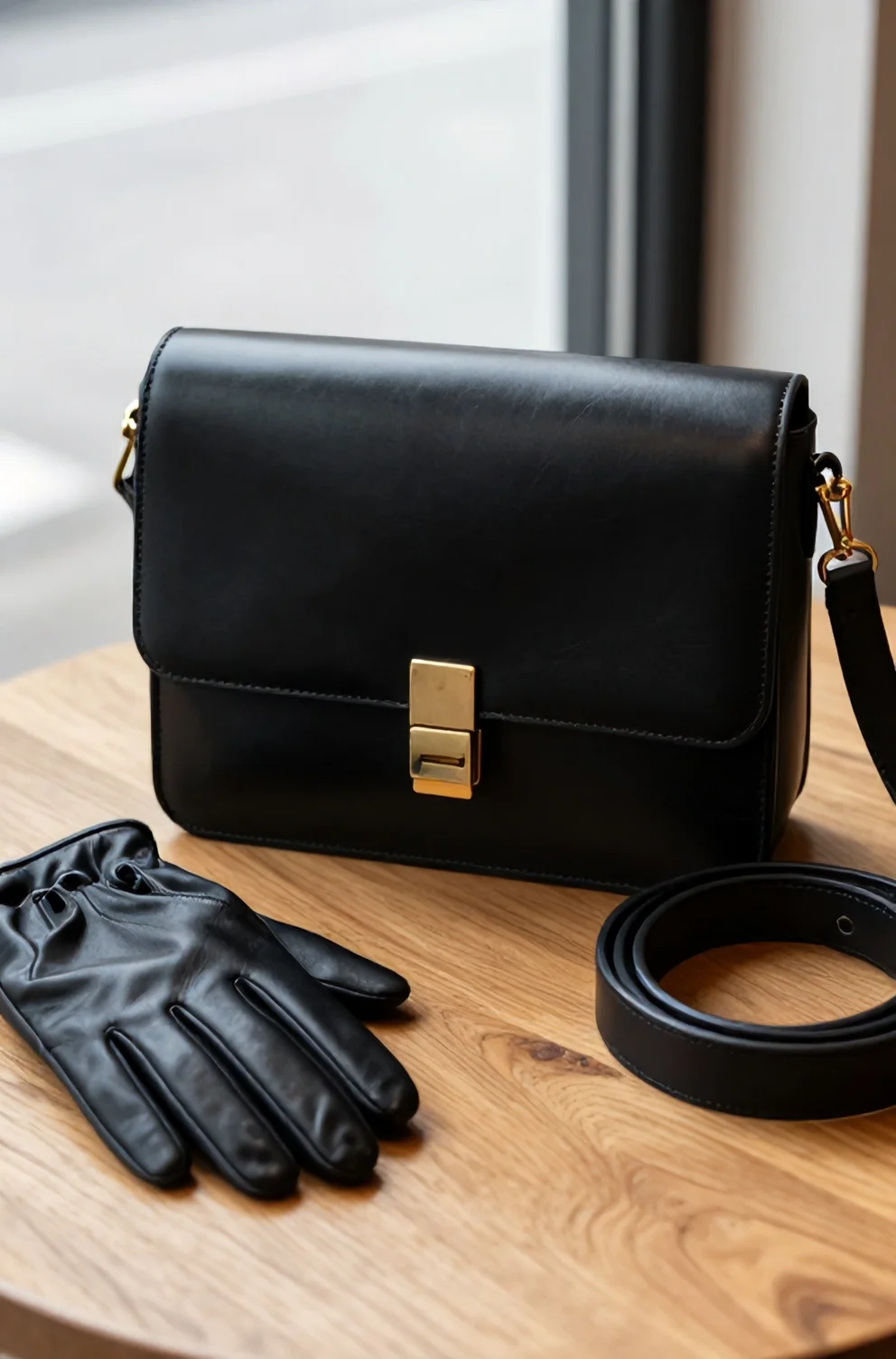
Clean geometry and tactile finishes provide more value than prominent logos when building a sophisticated wardrobe. When hunting for an unbranded leather bag, prioritize firm, semi-aniline hides that hold their structure instead of collapsing into a slouch. Architectural silhouettes like an understated north-south tote or a compact box crossbody with tonal stitching convey a sense of restraint. Look for edges with clean edge-paint and hidden magnetic closures, which ensure the focus remains entirely on the natural grain.
A classic leather belt follows the same design principles. Cinch wide-leg trousers with a medium-width strap in rich espresso or matte black, anchored by a brushed brass buckle devoid of engravings. The strap width should sit between one and 1.25 inches, creating a functional break at your natural waist without drawing overwhelming attention. Investing in solid full-grain leather ensures that everyday friction creates a gentle, rich patina over time instead of unsightly cracking.
Understated Gold and Silver Jewelry
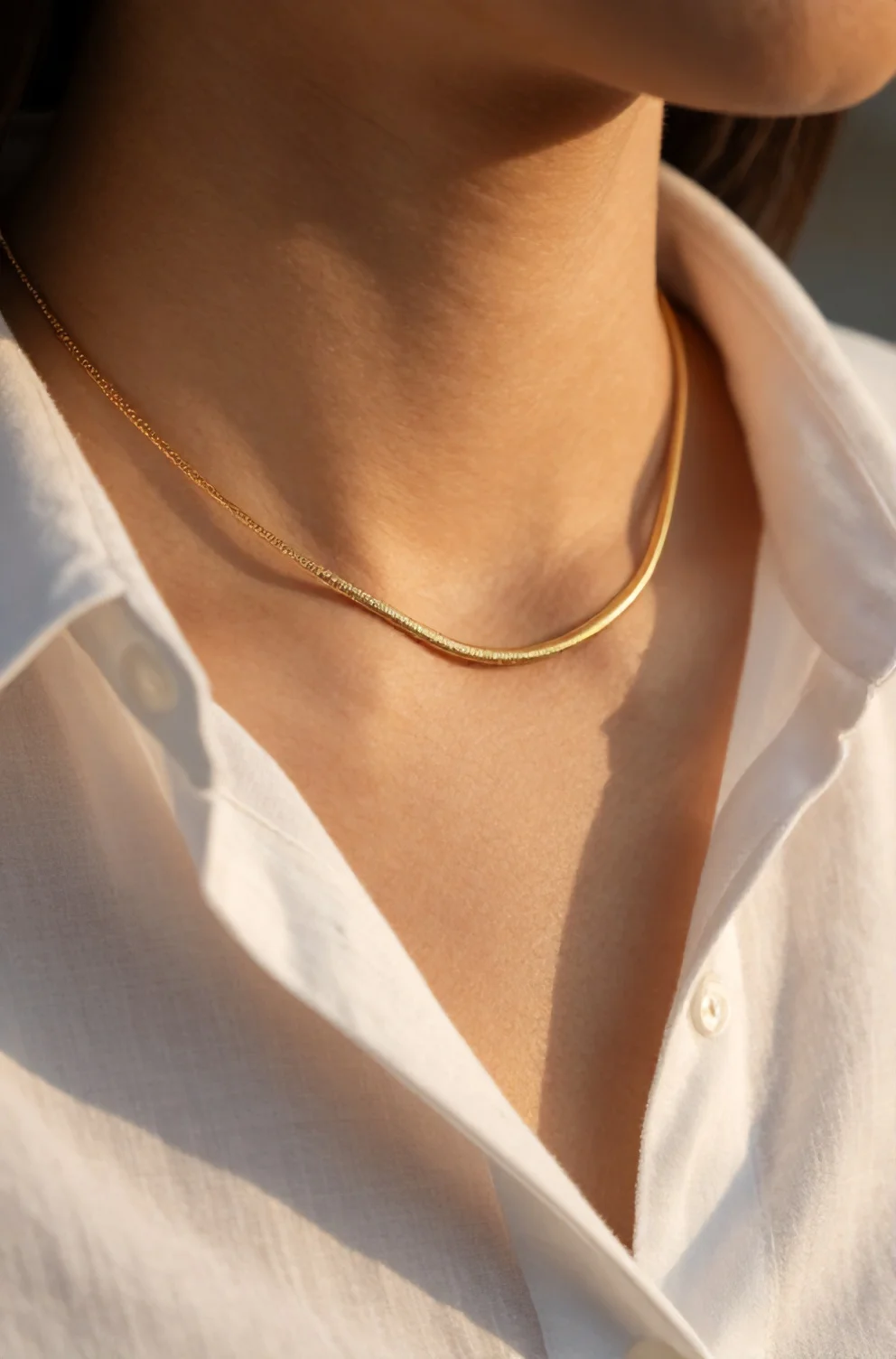
Metal accents should catch light as you move instead of dominating your neckline. Building a collection of everyday gold jewelry begins with pared-back basics. Thin box chains, delicate herringbone strands, and flat snake chains lay flat against collarbones, slipping comfortably beneath an unbuttoned poplin shirt or crewneck sweater. Swapping out oversized, costume-heavy jewelry for streamlined metal pieces preserves a clean visual line across your entire outfit.
Near your face, small huggies and slender minimalist earrings provide subtle illumination without distracting from your features. A flat signet ring on your pinky or a rounded band worn on your index finger offers a tactile finish that looks inherited rather than trendy. By keeping surfaces smoothly polished or subtly brushed, your precious metals maintain an understated cohesion that naturally complements both casual denim and evening tailoring.
How to Shop for Quality on a Realistic Budget
Building a refined wardrobe requires a disciplined shift toward smart shopping habits. When you train your eye to spot clean lines and avoid impulse purchases, you begin collecting versatile staples that look intentional rather than hurried.
- Apply practical budget fashion tips by filtering online sale racks strictly by color palette and textile composition rather than brand prestige.
- Wait forty-eight hours before purchasing any seasonal item to confirm it pairs with at least three garments you already own.
- Invest in off-season clearance events where premium knits and outerwear see deep markdowns before cooler months return.
Identifying High-Quality Fabrics and Construction
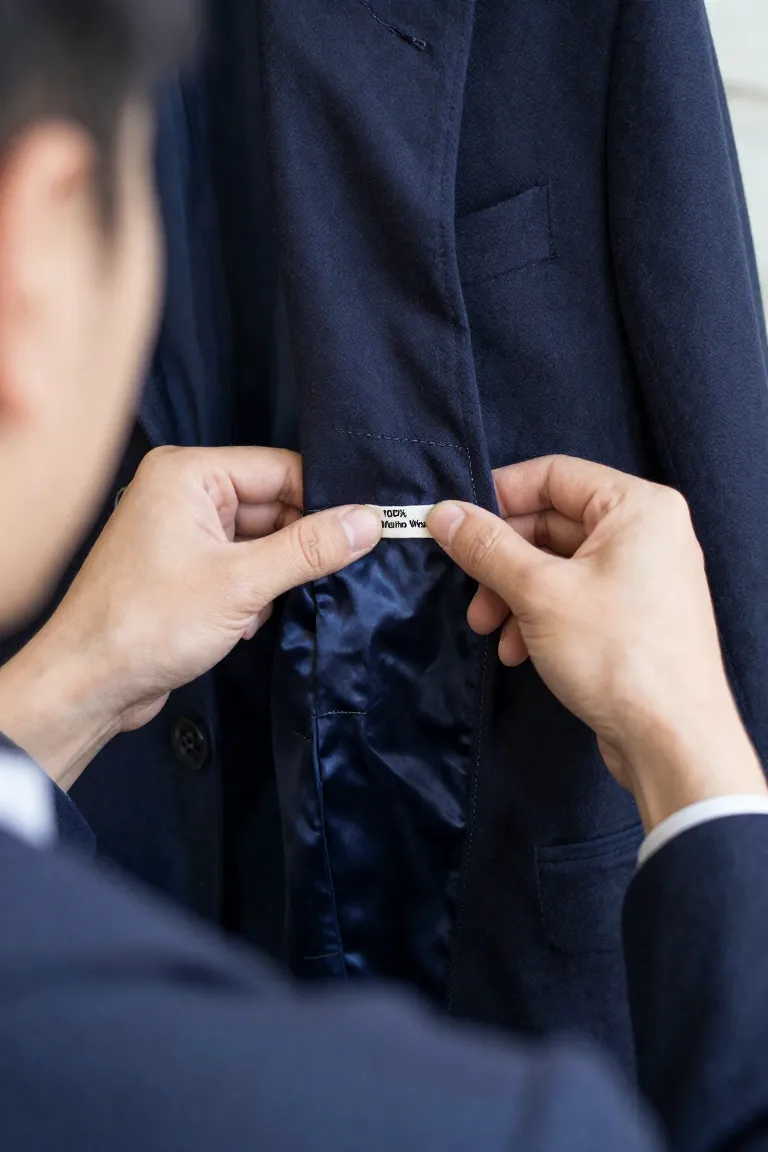
Before you look at a price tag or designer moniker, turn the garment inside out to examine the white care tag sewn into the side seam. The true indicator of fabric quality lies in prioritizing natural fibers like breathable cotton, fine merino wool, structured linen, and mulberry silk over synthetic blends such as polyester or acrylic, which tend to pill and lose structural drape after minimal wear.
A physical craftsmanship inspection reveals whether a garment is built to last through multiple seasons. Look closely at the hem allowances and check for double-stitched borders and taped interior edges that prevent fraying. When you understand how different clothing materials behave under tension and wash cycles, you can spot durable construction regardless of where you purchase it.
Thrifting and Secondhand Shopping Secrets
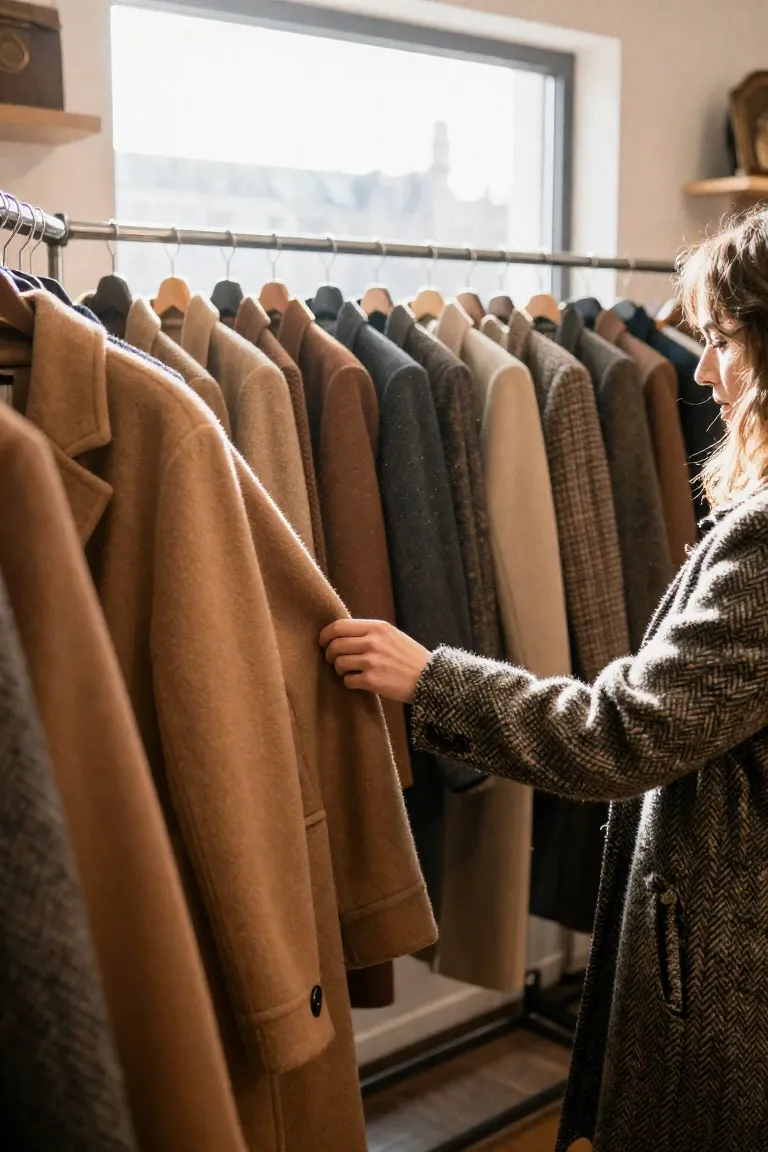
Exploring resale platforms and local consignment boutiques offers a direct route to acquiring archival textiles that modern high-street brands rarely reproduce. Master the art of secondhand shopping by typing specific fiber compositions like double-faced wool or heavyweight poplin directly into app search filters rather than scrolling broad brand directories. When browsing vintage fashion racks, prioritize shoulder fit and fabric integrity above all else, since an experienced local tailor can easily taper loose trouser legs or shorten boxy jacket sleeves for a nominal fee. This deliberate approach transforms pre-loved items into customized wardrobe anchors that provide unique details unavailable on standard retail racks.
Everyday Quiet Luxury Outfit Formulas
When your foundational pieces fit impeccably, assembling refined casual outfits for market runs or casual coffee catch-ups requires zero guesswork. Relying on proven outfit formulas eliminates morning decision fatigue while keeping your presence understated. Start by anchoring your silhouette with one relaxed item and balancing it with something lean and tailored. A soft cashmere crewneck casually draped over straight washed cotton trousers communicates relaxed sophistication.
For easy weekend errands, swap stiff layers for relaxed poplin shirting loosely tucked into raw-hem ecru jeans. These reliable daily outfit ideas rely on thoughtful proportions and muted tones like taupe and slate. Ground the ensemble with unadorned suede slip-ons and a structured canvas tote.
The Denim and Tailored Blazer Combo
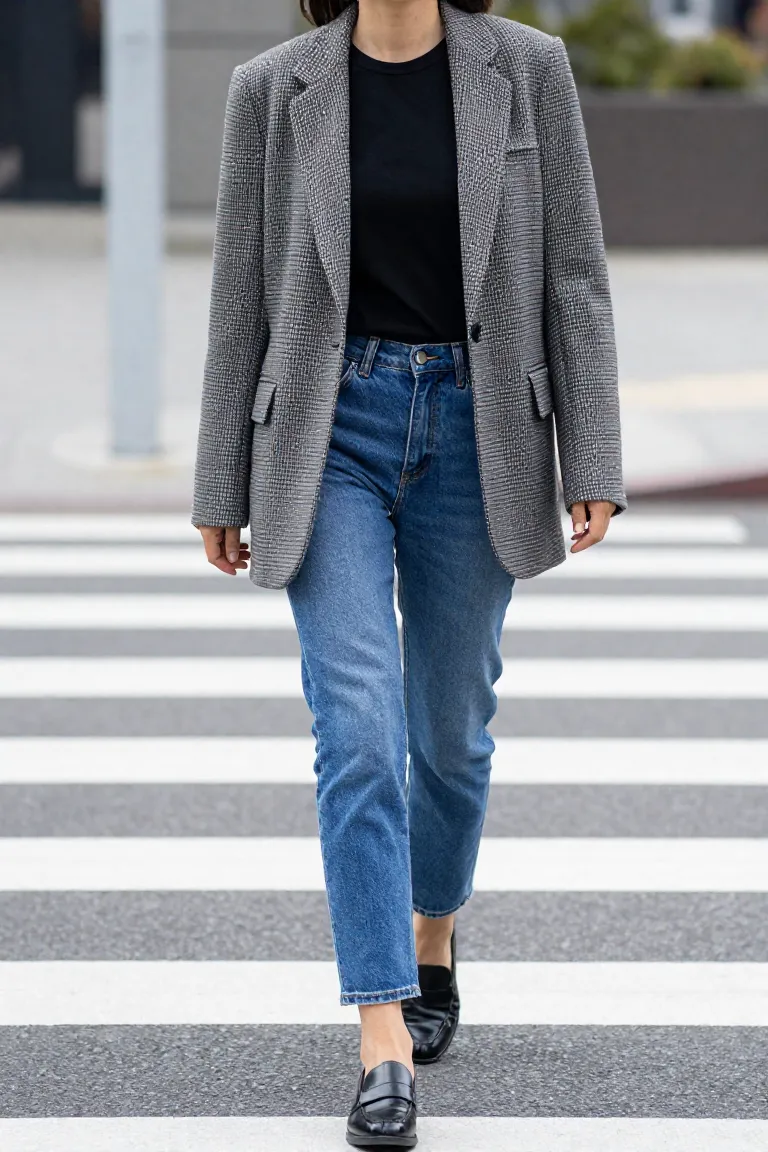
A structured blazer mixed with rugged cotton twill balances formal composure with relaxed ease. To build this outfit, reach for a slightly oversized blazer in deep navy wool or a subtle micro-houndstooth weave that holds clean definition along the shoulder line. Layer it over a heavyweight combed cotton crewneck t-shirt in chalk white, tucking the hem neatly into mid-rise, straight-leg denim washed in vintage indigo without distressing or whisker lines. The interplay between rigid tailoring and functional denim defines genuine casual chic, providing polish for impromptu client meetings or neighborhood gallery walks. Complete the outfit with smooth leather penny loafers in rich espresso or oxblood, adding a slim brass-buckled belt to connect the tailored pieces.
Monochrome Magic: Tonal Dressing
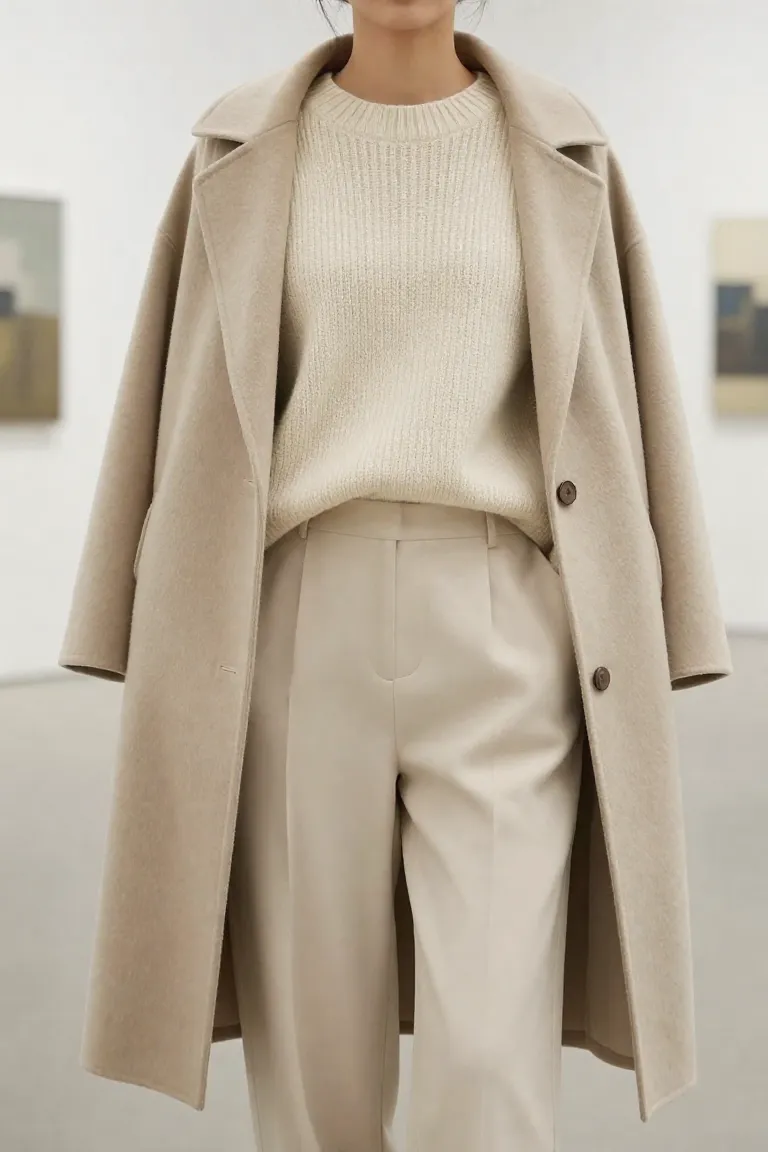
Dressing in a single color family creates an elongated visual line that reads deliberate and polished. The key to successful tonal dressing lies in stepping away from flat, identical matches and instead mixing adjacent shades across the spectrum, such as layering oatmeal and rich camel, or moving from pale heather to deep charcoal slate. To prevent a single-color look from falling flat, introduce tactile contrast across your pieces. Pair a chunky ribbed merino sweater with fluid silk twill trousers, or juxtapose matte brushed wool with glossy calfskin leather accessories. This variation in light reflection gives depth to your monochrome outfit, preventing subtle neutrals from blending together. Keeping your palette restrained while mixing varied fabric weights achieves a cohesive finish suited for workdays and relaxed evenings.
The Cozy Sweater and Silk Skirt Mix
Contrasting substantial knit textures with fluid, light-catching fabrics creates a balanced aesthetic. When you pair a chunky crewneck or relaxed cardigan over a bias-cut midi, the structured drape tempers the delicate fabric underneath, making a slip skirt outfit practical for daytime errands rather than strictly reserved for formal occasions. This sweater and skirt pairing delivers tactile interest while keeping your daily rotation comfortable and versatile.
- Footwear balance: Team the look with low-profile leather sneakers for weekend walks, or switch to pointed ankle boots with a modest block heel to sharpen the lines for dinner.
- Tucking technique: French-tuck just the center hem of your knit into the waistband to define your waistline without pulling against the bias cut.
- Tonal alignment: Stick to close shades like oatmeal and champagne or charcoal and midnight navy so the texture contrast remains refined.

Conclusion
Refining your aesthetic requires an intentional style mindset that values meticulous construction and honest materials over fleeting seasonal cycles. Sustainable wardrobe building does not happen overnight or demand steep spending; it works best when you curate fewer, better items that bring practical function to your daily routines.
- Edit your current collection: Begin with an honest closet audit to identify gaps and purge synthetic fabrics, highlighting the reliable cuts you wear on repeat.
- Curate with patience: Commit to slow acquisitions by testing garments for fabric integrity before buying and tailoring hemlines for an exact fit.
- Focus on daily utility: Prioritize versatile staples that layer cleanly together across varied settings, relying on durable textiles rather than visible logos.