The Power of Sunshine Yellow in Spring Fashion
Longer days bring a natural shift in how you build your daily wardrobe, moving you away from muted winter wools toward light-reflecting tones. Warm golden clothing signals seasonal renewal and a break from months of gray skies. Designers lean into this warm spectrum when the weather turns mild because it catches morning sunlight.
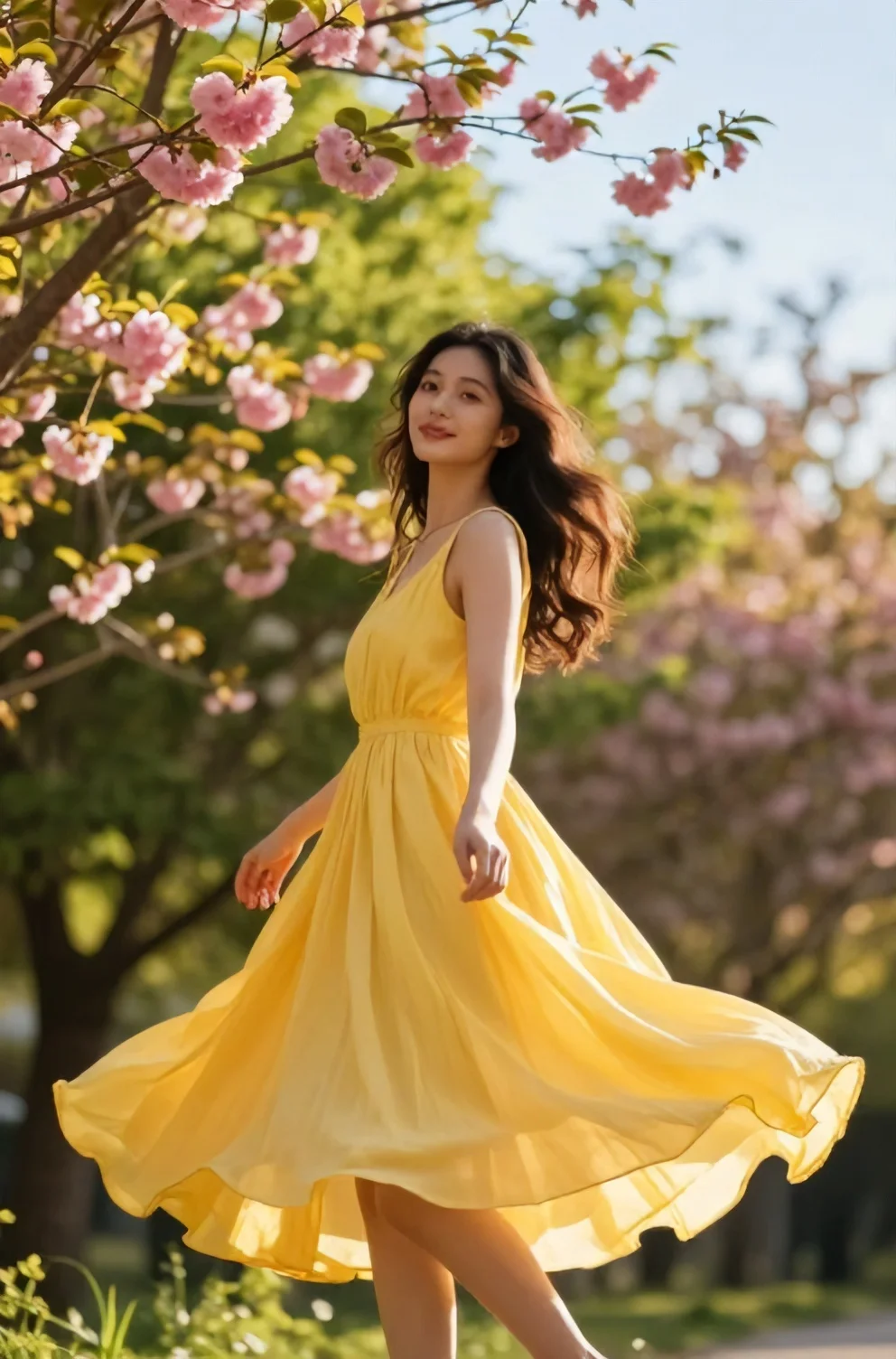
In crisp poplins and airy linens, golden tones function as an approachable statement rather than a color risk. You do not need a runway look to wear them. A relaxed midi dress feels fresh when rendered in a warm, honeyed hue. Finding the right variation for your wardrobe comes down to discovering how different shades harmonize with your natural coloring.
Decoding Skin Tones: Finding Your Perfect Shade of Yellow
That natural match depends on your undertone, the subtle pigment beneath the surface that remains constant regardless of seasonal sun exposure. Many people avoid sunny palettes out of fear of looking washed out, yet every complexion can wear this color successfully once you align temperature and depth. A specific slice of the color wheel exists to match your face rather than overpower it, whether your base reflects cool rose, warm golden peach, or balanced neutral notes. Recognizing how your natural coloring interacts with soft pastels and earthy ochres gives you immediate confidence when shopping, making it simple to pinpoint the variations that match your skin.
1. Cool Undertones: Pastel and Lemon Hues
When your skin carries rosy or delicate blue pigments, choosing fabrics washed in soft pastel or sharp, icy lemon keeps your natural color distinct and fresh. Deep, amber-heavy gold fabrics tend to fight with these cooler flush points, which can reflect a sallow or grayish cast across your face. Softer milky tones and chilled lemon hues share that same brisk undertone, allowing the fabric to frame your features cleanly. A simple linen slip or poplin shirt dress in these chilled citrus washes provides a crisp edge for bright spring mornings.

2. Warm Undertones: Mustard and Goldenrod
Golden and olive complexions come alive when you wear sun-baked, earthy pigments. Saturated hues like deep amber and spiced mustard mirror the natural bronze flecks beneath your surface, preventing the dress from washing you out. When you choose a tiered cotton sundress or a belted shirt dress in goldenrod, the fabric highlights your skin's innate warmth under bright seasonal daylight. These grounded tones carry enough visual depth to anchor an airy spring weave, setting up a rich baseline that holds its own.
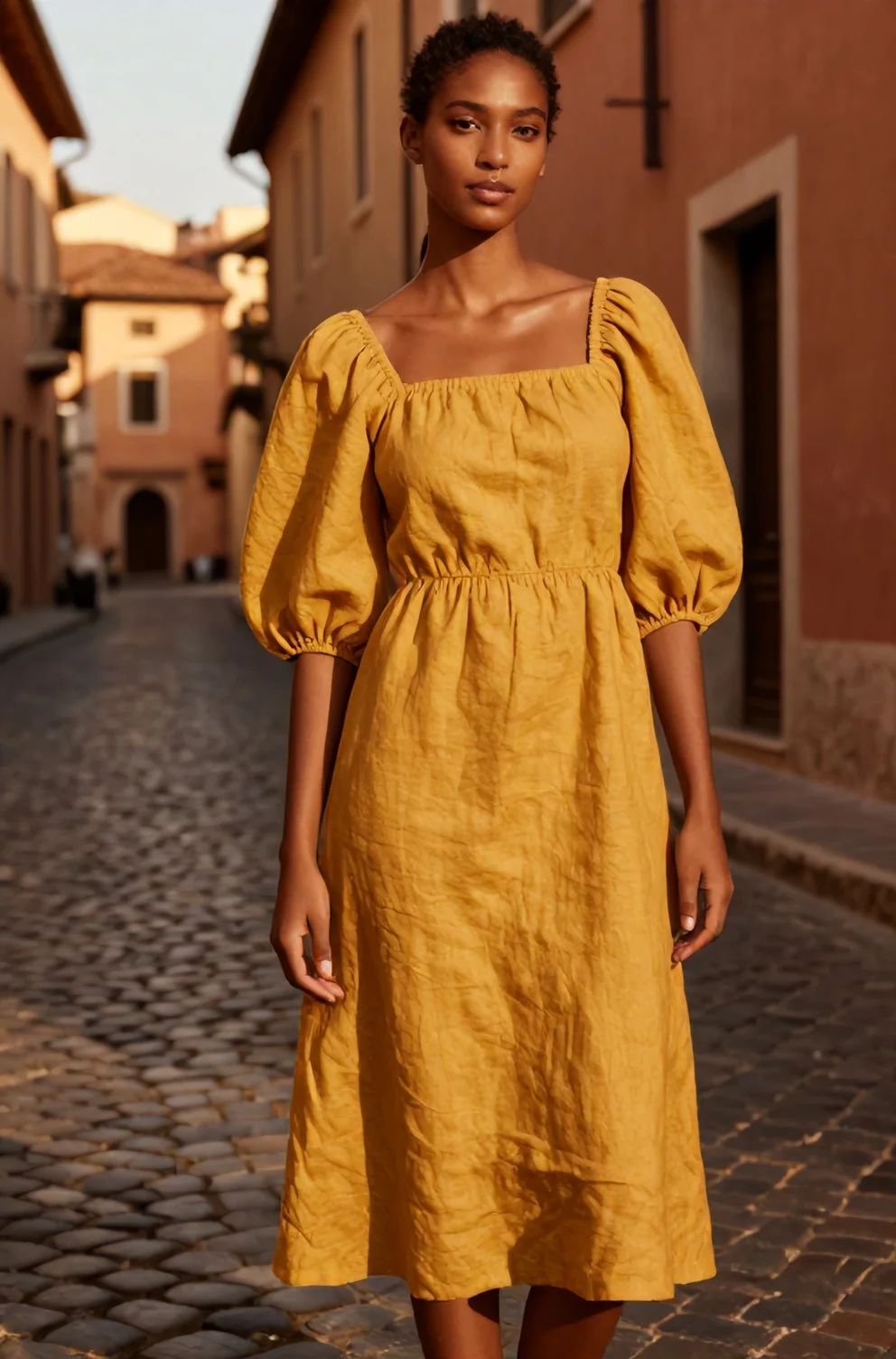
3. Neutral Undertones: Bright Sunshine and Buttercup
An even balance between pink and olive pigments allows pure, unmuted yellow to sit cleanly against your skin without clashing. With neutral undertones that avoid extreme warm or cool casts, you can wear balanced buttercup poplin dresses and saturated sunshine linen pieces as the primary focus of your wardrobe. To keep these mid-spectrum shades as the centerpiece of your outfit, build the look around simple cuts and subdued accents. You can style a clean-lined midi dress with low-contrast accessories like raw leather sandals in biscuit tan and a structured woven clutch. Restrained, earthy finishes prevent visual clutter and keep attention locked onto the fabric.
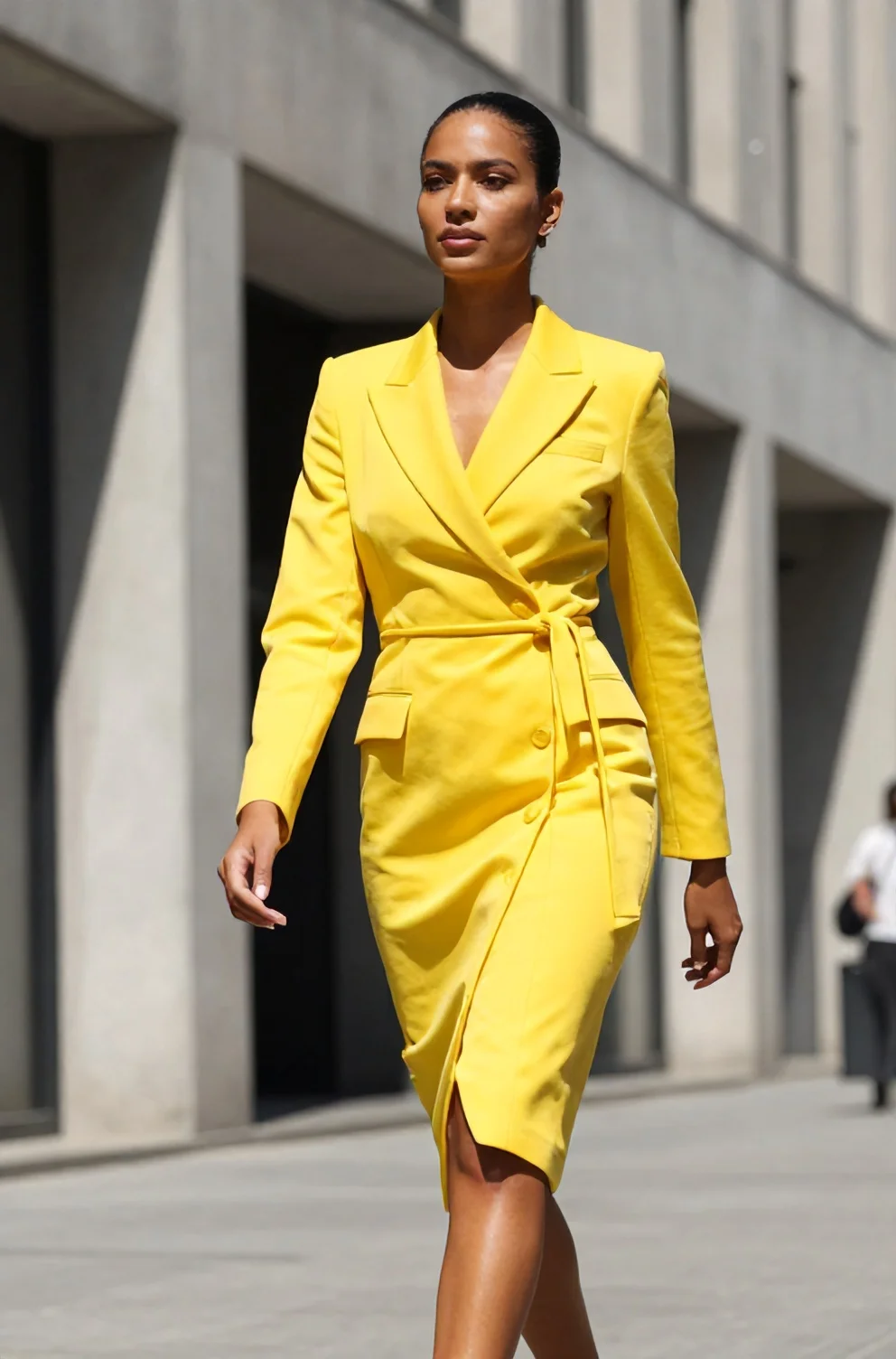
4. Deep Skin Tones: Neon and Vibrant Canary
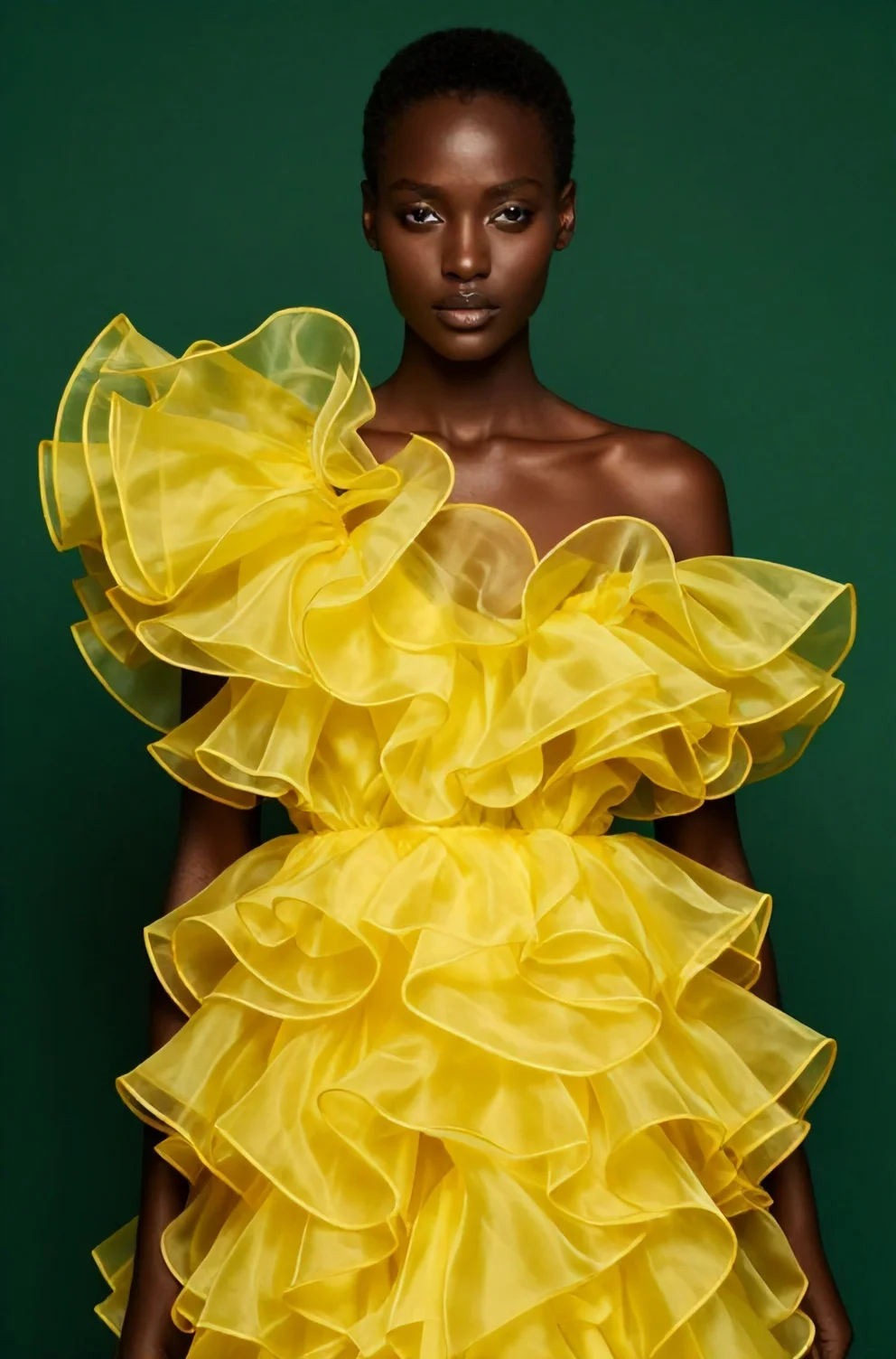
Rich, dark complexions possess a visual depth that makes high-wattage pigment stand out rather than look overpowering. While muted pastels risk fading against darker undertones, electric chartreuse and saturated marigold provide an energetic clarity. When you wear a crisp poplin sundress or a silk slip in intense citrus tones, the stark juxtaposition creates a luminous, warm contrast. You never need to tone down the brightness with safe neutral layers. Spring outfits benefit from bold saturation that highlights your natural glow.
Vivid canary and neon yellow dresses project sharp lines against rich espresso and bronze skin under bright spring skies. Letting the saturated wash of color command the frame creates a clean, intentional presence. The bold tone retains its crisp definition from early morning walks to afternoon gatherings, maintaining its visual impact throughout the day.
Styling Sunshine Yellow Dresses for Different Occasions
Fabric density and structural cut dictate how a bright shade adapts across your spring calendar. A loose tier in breathable cotton works for sunny weekend strolls, whereas a sharp collar in compact crepe sets a composed tone for professional hours. Balancing surface texture with the right hemline helps you find the appropriate level of polish for different settings.
- Lightweight weaves like washed linen and cotton poplin create casual ease for open-air outings.
- Structured materials such as mid-weight twill and compact crepe maintain crisp lines suitable for workday hours.
- Fluid fabrics including satin and layered silk catch ambient light for formal evening spaces.
1. Casual Weekend Brunches and Picnics
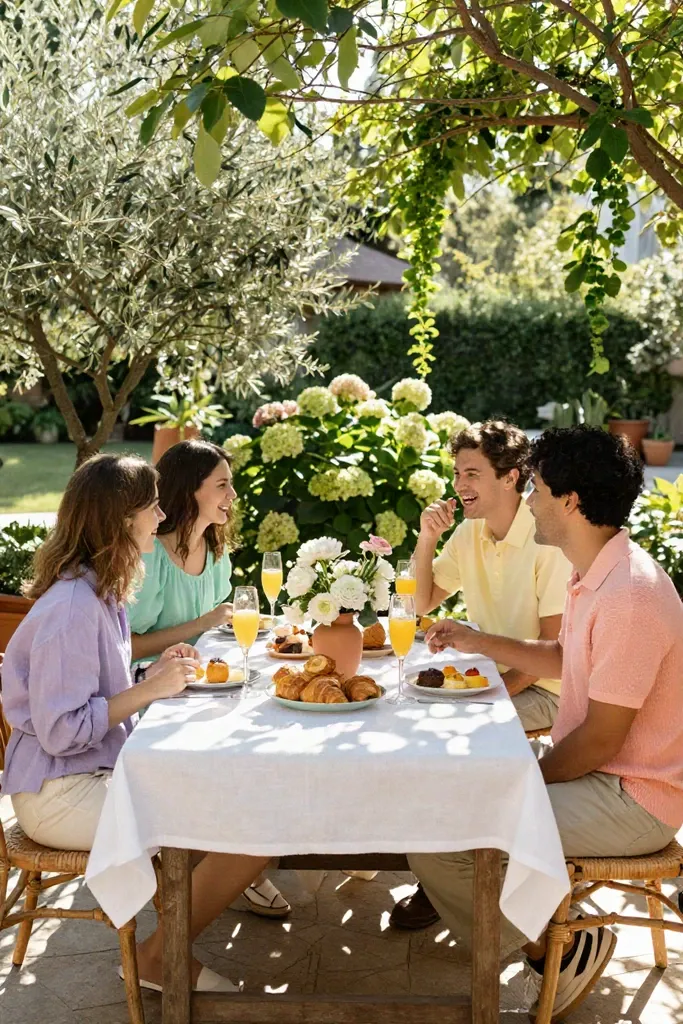
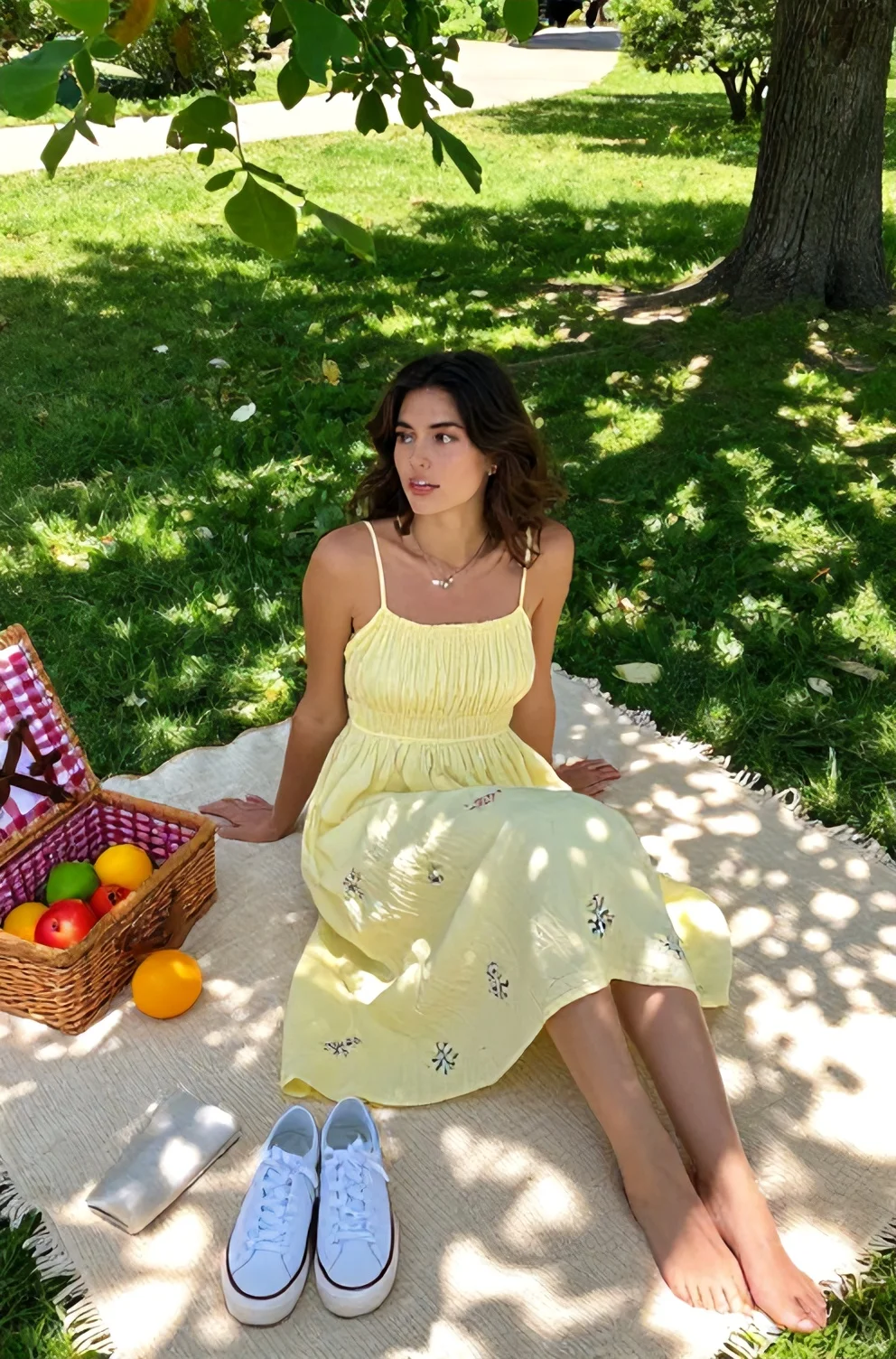
Daytime leisure calls for lightweight textiles that breathe easily under direct morning sun. Soft cotton poplin and airy linen soften the punch of sunny yellow tones while keeping your skin cool on grassy lawns. You can pick an unlined sundress or a tiered midi cut with roomy pockets, giving the bright shade a relaxed mood. Looser weaves drape naturally over your frame, allowing you to move freely without feeling restricted.
Flat slide sandals or low-top white sneakers temper the brightness and ground the outfit in simple utility. A simple knot at the hem of a longer skirt or an unbuttoned shirt-dress collar keeps the overall look easygoing for outdoor gatherings. An unlined cotton utility layer provides practical warmth when midday breezes pick up, keeping you comfortable on patio benches.
2. Office-Ready Spring Workwear
Bringing sunny tones into a corporate setting depends on clean tailoring and deliberate contrast. A tailored yellow sheath dress works well under office lighting because crisp seams and a modest neckline anchor the brightness. The defined cut keeps the look polished and intentional throughout back-to-back meetings.
A structured neutral blazer in dove gray or soft camel frames the dress and dials back the intensity for client presentations. You can slip the jacket over your shoulders at your desk, then pair the base layer with simple nude pumps or low block heels for a balanced workday rhythm.

3. Elegant Spring Weddings and Garden Parties
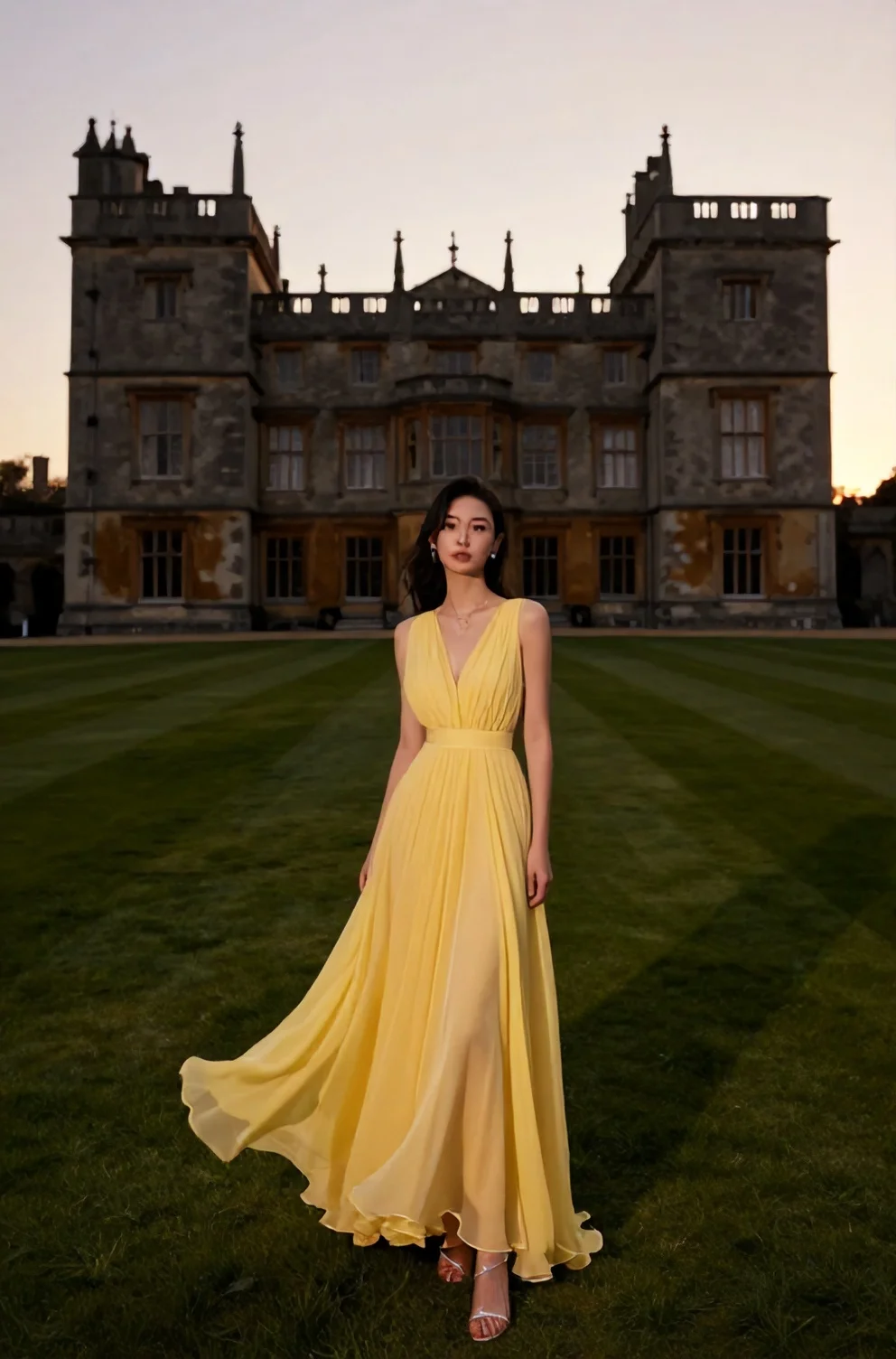
When formal invitations take you outdoors into sunlit courtyards, lighter textiles bring a refined mood to warm yellow tones. Fluid silk charmeuse and tiered chiffon catch the open air while maintaining enough structure for photos and sit-down dinners.
- Pair a pale butter satin slip with slender ankle-strap heels in metallic champagne or warm bronze so your hemline floats freely over lawn turf.
- Layer delicate gold jewelry, such as thin collar chains or hammered teardrop earrings, to echo the warm yellow base without overpowering the clean lines of a chiffon midi.
- Add a compact woven mother-of-pearl clutch and a lightweight neutral cashmere wrap to stay prepared when the temperature cools after dusk.
Accessorizing Bright Spring Dresses
Every accompanying piece you choose actively shapes the mood of your outfit. A sunny yellow dress reacts strongly to what you place alongside it, allowing you to tone down the saturation or amplify its energy. When you introduce quiet earthy textures, the bold shade softens into a daytime look. Sharp opposing tones or polished metallic finishes push that same yellow fabric into an assertive statement.
Accents give you control over how striking or subdued the palette feels. Heavy textures break up broad fields of solid color to create a balanced visual weight, while fine chains and slim straps keep the focus squarely on the dress. Grounding the outfit with organic materials offers a different styling approach than energizing it with rich color contrast.
1. Neutral Grounding: Wicker, Rattan, and Nude Tones
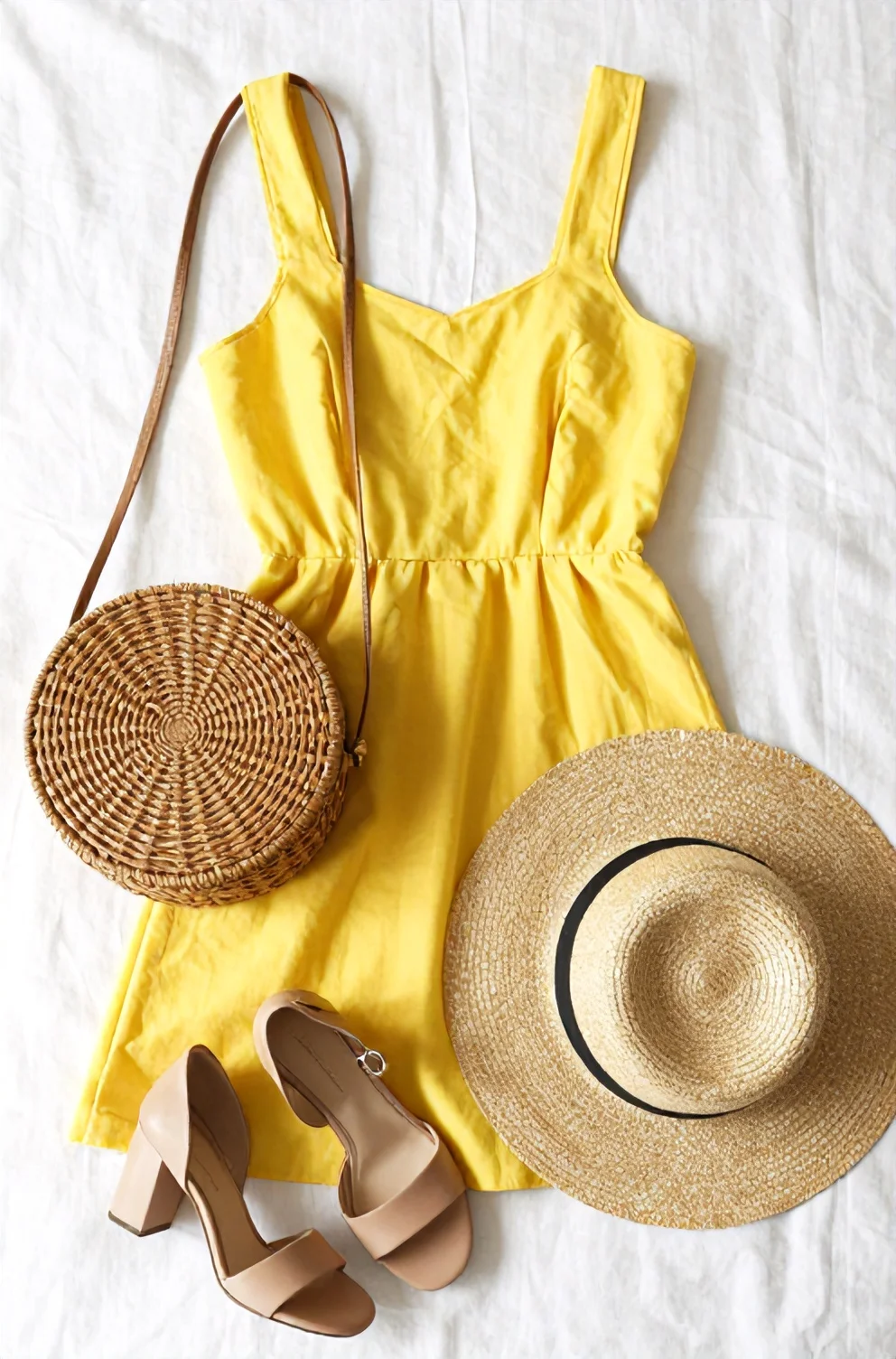
Organic plant fibers act as an immediate visual anchor against the high saturation of a sunny dress. A structured wicker basket bag introduces a dry, matte texture that dials down the visual heat of bright fabric. Nude mules or flat tan leather sandals extend this softening effect toward the floor, balancing the outfit with muted, earthy undertones.
This pairing reflects the hallmark of classic French style, where sunny seasonal pieces feel lived-in rather than overly formal. A wide rattan belt wrapped over a breezy cotton skirt defines your waistline without introducing shiny metallic hardware, maintaining a relaxed mood that fits open-air flower markets or morning strolls.
2. Complementary Color Pairings: Blues and Greens
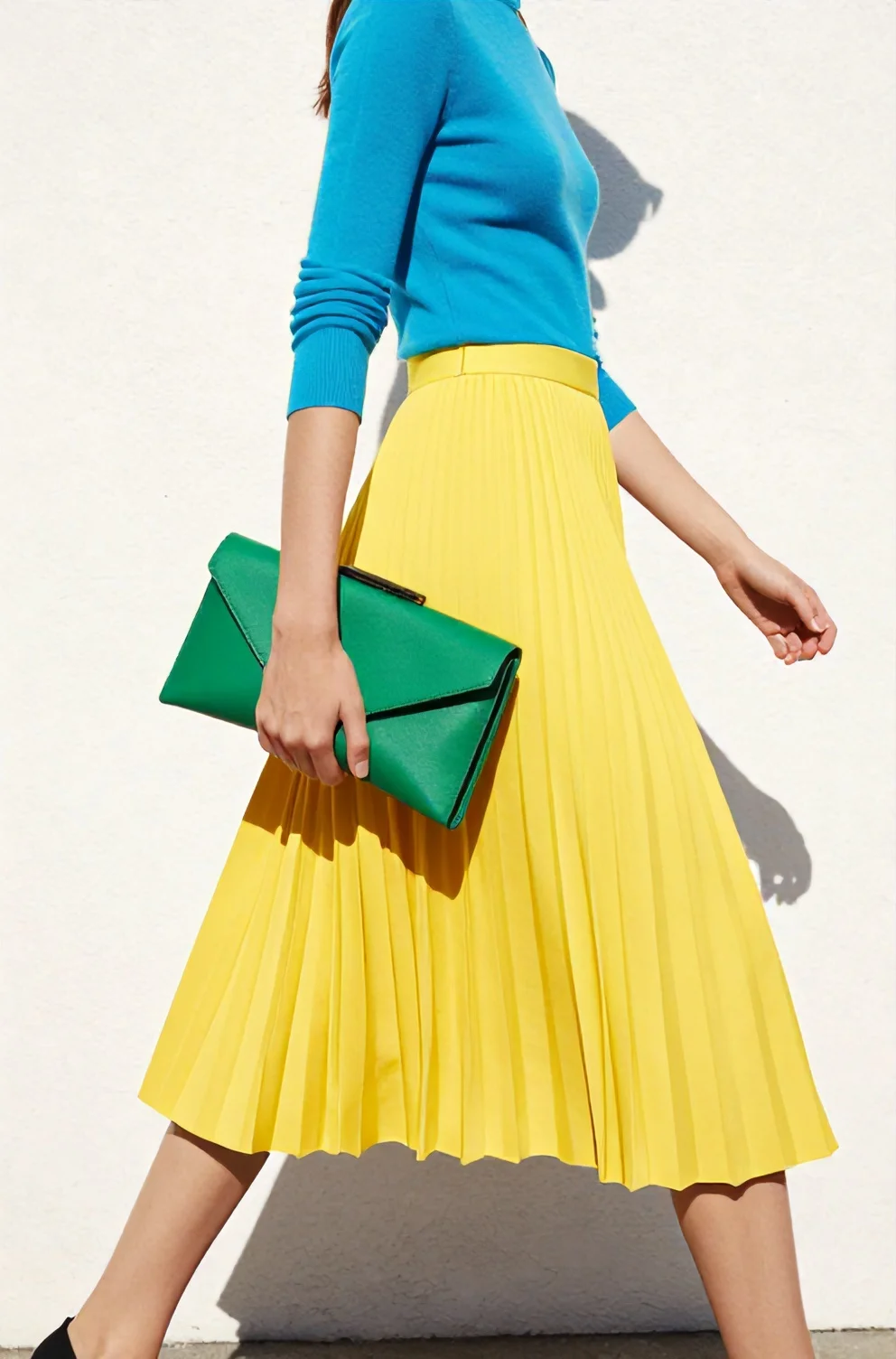
Color-blocking introduces a crisp, intentional energy to your outfit when you want deliberate contrast. Cool blue and green tones sit opposite to warm yellow on the standard color wheel, establishing a balanced visual harmony that keeps the bright fabric grounded. You can anchor a yellow linen sundress with a structured navy blue jacket or a clean denim layer, bringing tailored composure to daytime gatherings. Draped baby blue knitwear or a powdery leather shoulder bag introduces a wash of coolness for softer daytime plans. Emerald green mules or a saturated jade clutch provide a cool counterweight that balances your dress when you want richer depth.
Conclusion: Embrace the Joy of Spring Dressing
Finding an appealing sunny tone depends on matching the fabric's undertone with your skin rather than avoiding bright pieces. A pale lemon suits cool complexions, while mustard and ochre anchor warmer skin tones. Balancing the cut with grounded textures like woven straw or tailored denim allows you to wear bright apparel comfortably through every warm afternoon.
New cuts and fresh accents update your wardrobe for the season. Before you head out to brunch gatherings or garden outings, pin your favorite outfit combinations and styling notes to your Pinterest boards so you have clear inspiration on hand for upcoming events.
Frequently Asked Questions (FAQ)
Stepping into a bright palette often brings up practical styling questions. Shoppers often pause over how intense shades interact with everyday wardrobes, focusing on a few key styling factors:
- Gauging undertone compatibility across changing natural daylight and warm indoor fixtures.
- Balancing saturated fabric tones with relaxed layering pieces for casual daytime wear.
- Selecting grounded accessories that complement bold dress silhouettes without competing for attention.
1. Does yellow make you look washed out?
A drained appearance happens when the fabric's undertone clashes with your complexion, rather than from the hue itself. Mismatched saturation levels pull color away from your face, while choosing the right temperature creates a balanced contrast.
- Cool undertones require icy lemon or pale sorbet shades with blue-leaning bases.
- Warm skin tones pair naturally with rich goldenrod and spiced honey.
- Muted complexions benefit from soft buttercup, which prevents harsh contrasts against soft features.
- Strategic styling helps bridge gaps, such as wearing an open collar or a scooped neckline to keep challenging shades away from your jawline.
2. What shoe colors work best with a yellow dress?
Nude leather sandals match your skin tone to elongate leg lines without pulling focus from the sunlit fabric. For an airy daylight outfit, crisp white loafers or clean canvas flats provide a grounded finish alongside breathable poplin or linen. Evening plans call for warm metallics like brushed gold or pewter ankle straps that catch low restaurant lighting. Saturated fuchsia or cobalt block heels create a deliberate color-blocked contrast that sharpens the sunny base.